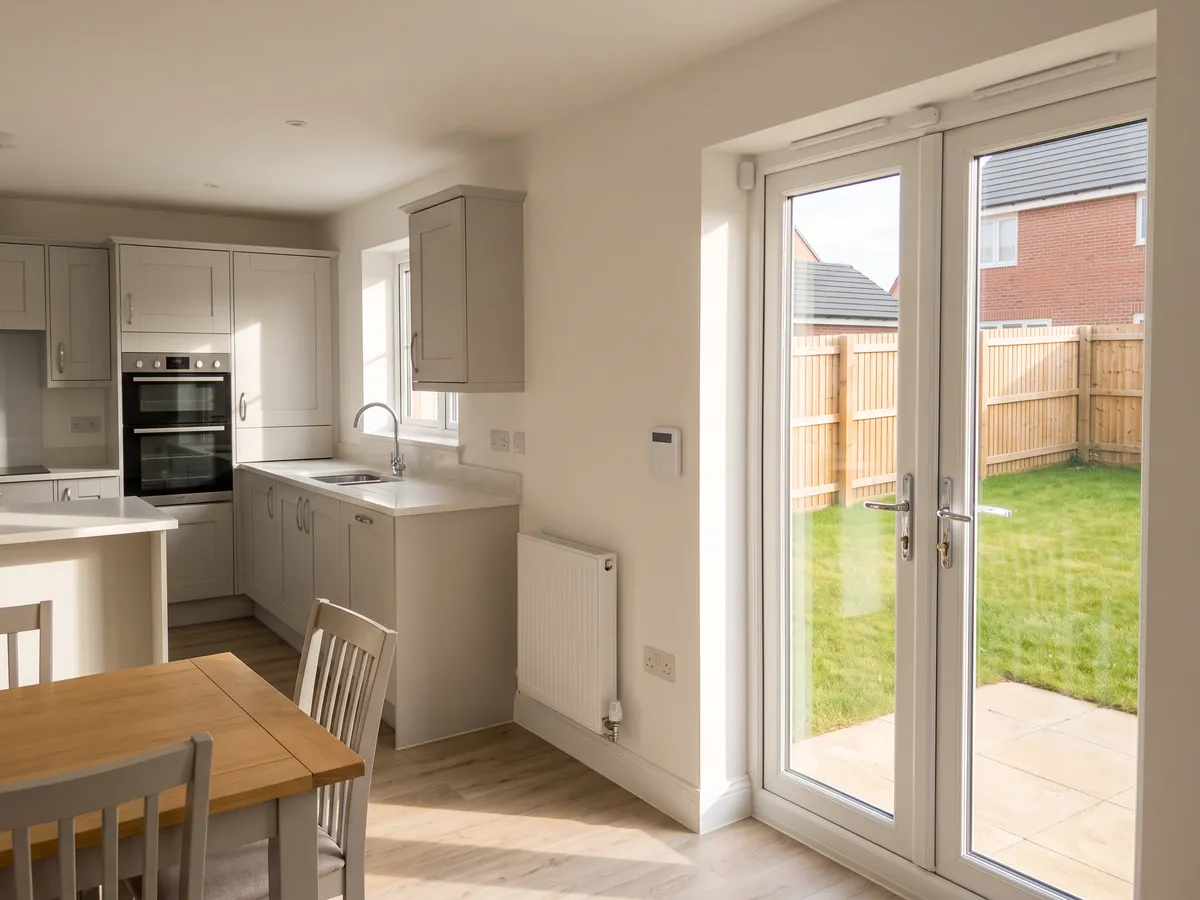
Wireless Alarm System.
A wireless alarm system uses battery-powered sensors that talk to the control panel by radio, so it is quicker to fit and needs less cabling than a wired one. Price guides put a fitted wireless system at about £150 to £500 against £200 to £800 for wired, with the difference mostly labour. Here is the comparison, the battery and servicing costs, whether a wireless system can be monitored and what to ask each installer.
Takes about two minutes. Installers pay us, so it is free for you.
- Wireless alarm, fitted
- £200-£500MyJobQuote guide figure, 5 November 2026
- Wired alarm, fitted
- £400-£800MyJobQuote guide figure, 5 November 2026
- Wireless fitting labour
- £75-£200MyJobQuote guide figure, 5 November 2026
- Wired fitting labour
- £150-£400MyJobQuote guide figure, 5 November 2026
Sources: MyJobQuote, burglar alarm cost, page updated 5 November 2026; MyBuilder, burglar alarm installation cost, undated page read 26 November 2026. They are the guides' own figures, not Switchable's, and none is a quote.
In short
- Wireless is usually the cheaper fit. MyJobQuote gives £200 to £500 for wireless and £400 to £800 for wired; MyBuilder gives £150 to £400 and £200 to £500.
- Most of the saving is labour: MyJobQuote puts wireless fitting at half a day to a day and wired at one to two days.
- The trade-off is batteries and signal. Sensors need a battery change from time to time, and each position should be tested before it is fixed.
- Wireless suits retrofits where cabling would mean chasing walls. Wired suits a house being rewired or built.
- If you want a monitored system, ask whether the wireless system you are quoted can be connected to a monitoring centre and which grade it meets.
On this page (10)
How Does A Wireless Alarm System Work?
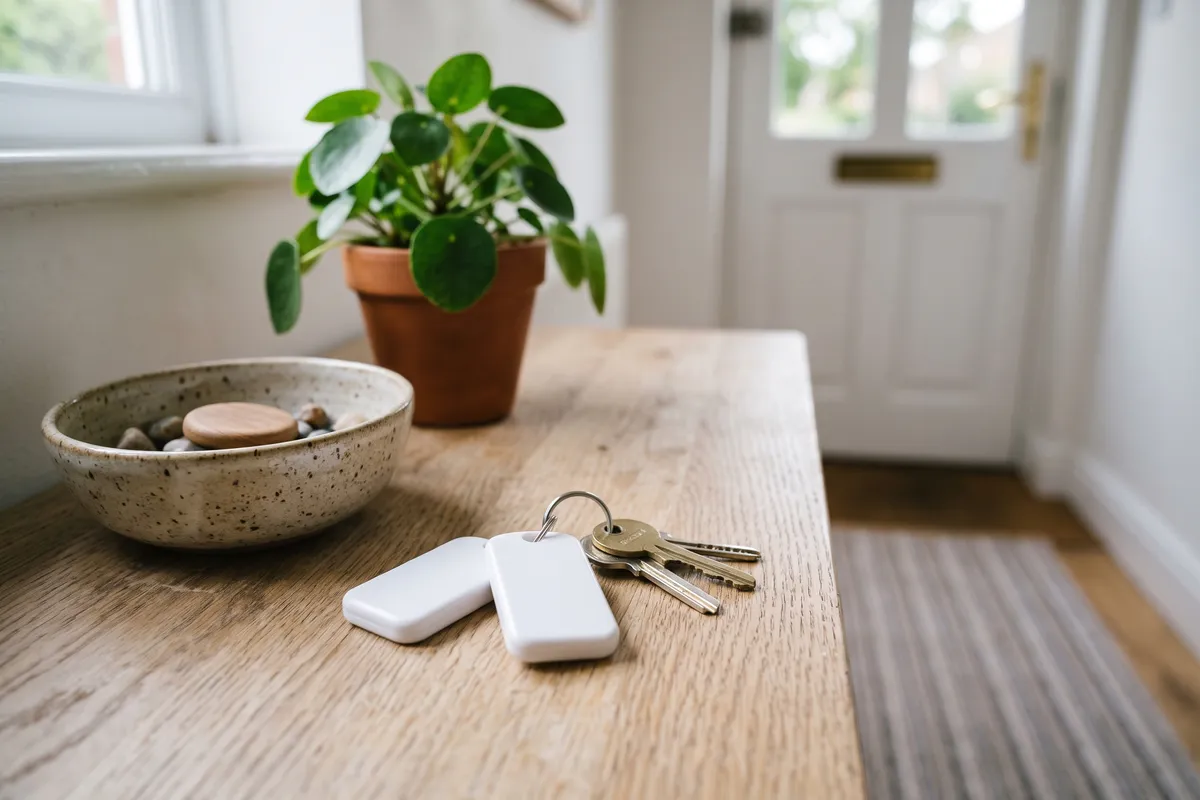
Every alarm has a control panel, sensors, a siren and a way to set and unset it. In a wired system the sensors are connected to the panel by cable. In a wireless system the door contacts, motion detectors and key fobs are battery-powered and send their signals to the panel by radio, so an installer fixes each one where it is needed without running cable to it.
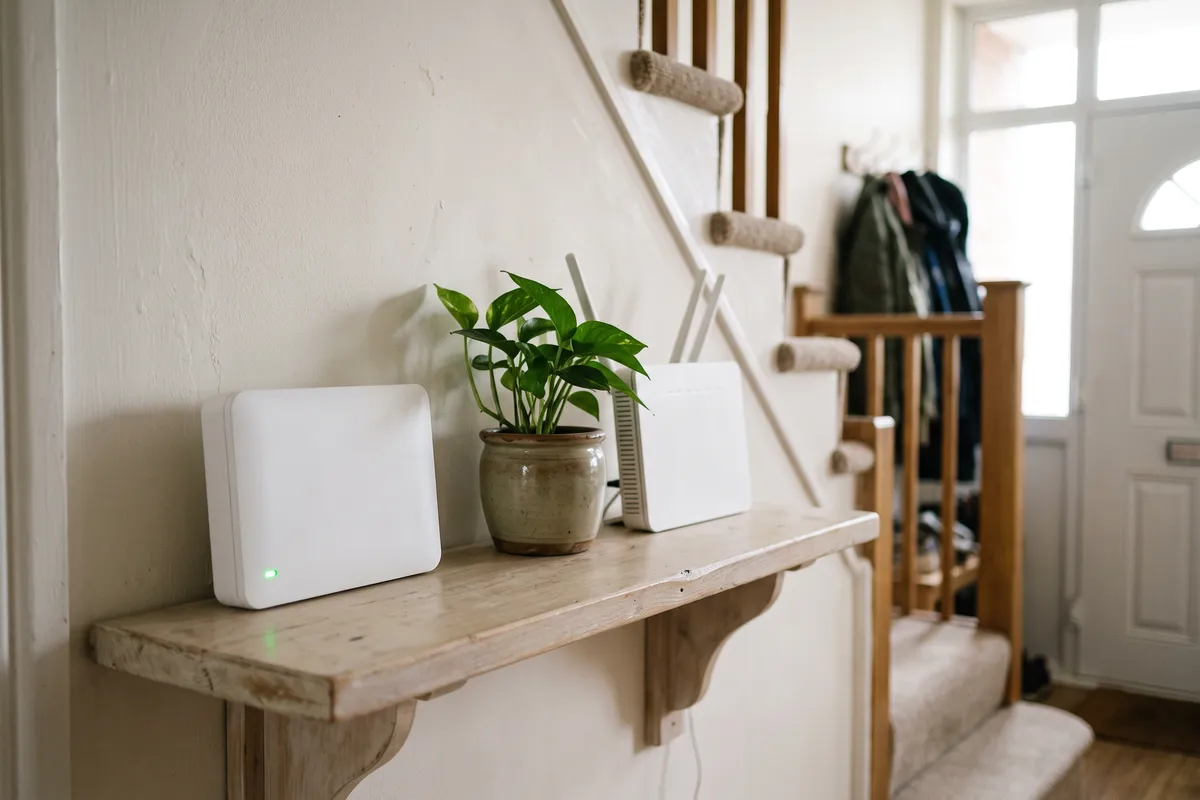
The panel is usually still mains powered, with a backup battery, and the siren may be wired or wireless. Where a system is monitored, the panel also signals a staffed alarm receiving centre. Our guide to monitored alarm systems explains what that adds.
What Can You Add To A Wireless Alarm System?
A wireless alarm system can grow with your home. Most alarm companies sell extra sensors one at a time, such as window sensors for ground-floor windows, a panic button or a second keypad by the front door. Many wireless home security systems link to a Wi-Fi app for real-time alerts on your phone and for remote monitoring by you, and some work with a security camera or a video doorbell. Cameras bring their own costs, which our guides to home security systems and CCTV installation cost explain.
Ask about pet-friendly motion sensors if you have a dog or cat, because movement from a pet can cause false alarms. A battery backup in the control panel keeps the system working in a power cut. If you want professional monitoring from an alarm company, ask whether the panel can connect over broadband or a mobile signal, and what the monthly fee covers. Installation is quicker than for wired alarms, and Switchable is free to use if you want to compare security systems quotes.
Wireless Against Wired: What Is The Difference?
The difference is mainly how the sensors are connected, and that shows up in the labour, the disruption and what you maintain. The prices are two guides' figures for the same labels, so they are shown as each gives them.
| Wireless | Wired | |
|---|---|---|
| Fitted cost, MyJobQuote (5 Nov 2026) | £200 to £500 | £400 to £800 |
| Fitted cost, MyBuilder (undated, read 26 Nov 2026) | £150 to £400 | £200 to £500 |
| Fitting labour, MyJobQuote | £75 to £200, half a day to a day | £150 to £400, one to two days |
| Disruption | Little: sensors are fixed in place without cable runs | More: cable runs to every sensor, and making good afterwards |
| Power for sensors | Batteries, replaced from time to time | Powered through the cable |
| Suits | Existing homes, flats and extensions where cabling is awkward | Homes being rewired or built, and long runs where radio signal is a worry |
Source: MyJobQuote, burglar alarm cost, page updated 5 November 2026; MyBuilder, burglar alarm installation cost, undated page read 26 November 2026. The cost rows are each guide's figure, not Switchable's; the other rows are general differences, not a guide's claim.
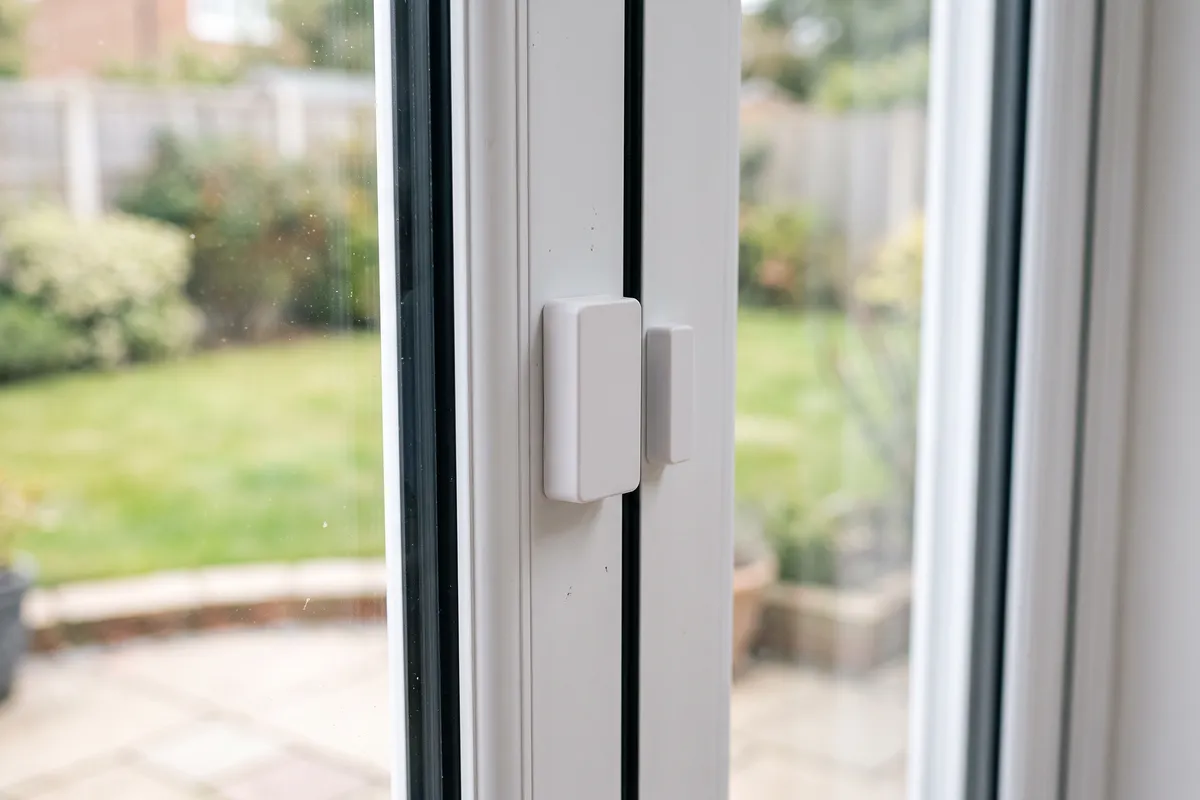
Whichever you choose, the price of a quote for your home depends on the number of sensors. MyJobQuote says a two-bedroom flat might need four or five and a four or five-bedroom detached house ten or more. Our guide to burglar alarm cost shows what each part costs.
What Do Batteries And Servicing Cost?
Battery-powered sensors are the running cost to plan for. The two guides give very different figures for a battery, so both are shown, and the right answer for your system depends on its sensors.
| Item | Figure | Guide |
|---|---|---|
| Door and motion sensor batteries | £2 to £6 each | MyJobQuote, 5 Nov 2026 |
| Key fob and keypad batteries | £2 to £4 | MyJobQuote, 5 Nov 2026 |
| External siren battery | £8 to £20 | MyJobQuote, 5 Nov 2026 |
| Control panel backup battery | £15 to £30 | MyJobQuote, 5 Nov 2026 |
| Battery, every 2 to 3 years | £20 to £50 each | MyBuilder, read 26 Nov 2026 |
| Engineer visit for battery swaps, all in | £80 to £150 | MyJobQuote, 5 Nov 2026 |
| Annual service visit | £80 to £150 | MyJobQuote, 5 Nov 2026 |
| Maintenance plan, monthly | £5 to £15 | MyJobQuote, 5 Nov 2026 |
Source: MyJobQuote, burglar alarm cost, page updated 5 November 2026; MyBuilder, burglar alarm installation cost, undated page read 26 November 2026. Guide figures, not Switchable's.
If you are paying for a maintenance contract, ask whether battery changes are included. Your insurer may also require a maintenance contract with an inspectorate-listed company, as BIBA notes, so check your policy before you decide.
Is A Wireless Alarm Reliable Enough?
A well-fitted wireless system is a normal professional choice, but it is worth asking the right questions because the radio link is the part you cannot see.
- A signal test. Ask the installer to test the signal from each sensor position to the panel before fixing it, including the farthest rooms and outbuildings.
- Low-battery warnings. Ask how the system tells you a sensor battery is low and what happens if it is ignored.
- Tamper protection. Ask whether the sensors and panel report if they are opened or moved.
- Grade and standard. Ask which grade the system is, because BIBA says PD 6662 requires every system and its equipment to meet a security grade, and insurers disregard grade 1.
These are questions for any installer, and the answers should be in the written quote.
Can A Wireless Alarm Be Monitored?
Often it can, but check. A police response needs a system that meets the national requirements, which BIBA sets out as conformity to PD 6662 and BS 8243, an inspectorate-listed installer and monitoring centre, and at least two keyholders who can reach the property within 20 minutes. Whether a given wireless system meets that is a question for the installer, not an assumption from the type.
Ask for the answer in writing: the grade, whether the system can connect to a monitoring centre and whether it can hold a police reference number. MyJobQuote's guide puts a package with police response at £25 to £40 a month, so the monitoring fee will matter more over time than the saving from choosing wireless.
What Should You Ask In A Wireless Alarm Quote?
The police's public advice on choosing a security company, Appendix H of the National Police Chiefs' Council policy (February 2026), asks for written quotations from at least two approved companies, each naming the current British or European standard and the terms of any maintenance and monitoring contract.
- The parts. How many sensors, fobs, keypads and sirens, and where each goes.
- The grade. Which grade the system meets and whether it can be monitored.
- Batteries. How long the sensors last, who changes them and what it costs.
- The company. Whether it is listed by an inspectorate, the NSI or SSAIB, which the police advise using.
- The contract. Any monitoring or maintenance contract, kept short, with no more than a year paid in advance.
The Bottom Line
Wireless is the usual choice for an existing home because it is quicker to fit and avoids cable runs, and the guides we read put it at £150 to £500 fitted against £200 to £800 for wired. The trade-off is batteries and signal, so ask for a signal test and the cost of replacing batteries.
If you want a police response, ask whether the system you are quoted can be monitored and meets the national requirements. Compare at least two written quotes and tell your insurer first.
Compare home security quotesSources
- BIBA, intruder alarms: guidance for purchasers
- NPCC, Appendix H: police advice to members of the public seeking information on security companies
- Police Crime Prevention Initiatives, choosing an alarm
- MyJobQuote, burglar alarm cost
- MyBuilder, burglar alarm installation cost
- Checkatrade, burglar alarm installation cost
Checked 26 November 2026.
How To Compare Quotes
Get at least three quotes and compare them line by line. Prices for the same job can differ a lot.
- A visit first. A good installer surveys the home before quoting, so the number of sensors or cameras and where they go are decided on site.
- The same list of parts on every quote: sensors, panel, siren, cameras, recorder, cabling and setup, each on its own line, with VAT shown.
- The standard and the contract. Ask which standard and grade the system meets, who monitors it, and how long any monitoring contract runs.
How Switchable works
 Check. Tell us your postcode and a few details about your home. It takes about two minutes.
 Compare. Local installers who cover your area get in touch with quotes.
 Switch. Go ahead with the quote that suits you, or none at all. There is no obligation.
Switchable is free to use. Installers pay us for each introduction.
More On Home Security
- Home security guideCosts, savings and grants in one place
- Burglar Alarm CostInstalled prices by type, monitoring fees and what to ask in a quote
- Monitored Alarm SystemsWhat monitoring does, what the police require, monthly costs and contracts
- Home Security SystemsThe parts of a system, what each does and costs, and how to choose
- CCTV Installation CostCost by number of cameras, wired against wireless, storage and the rules
Wireless Alarm System: Your Questions.
How much does a wireless alarm system cost?
MyJobQuote's guide gives £200 to £500 fitted and MyBuilder's gives £150 to £400. Checkatrade starts a wireless bell-only system at £525 with two sensors and a door contact. Get written quotes for your home.
Is a wireless alarm cheaper than a wired alarm?
Usually, because the fitting takes less labour. MyJobQuote gives £200 to £500 against £400 to £800, and MyBuilder £150 to £400 against £200 to £500.
How long does it take to fit a wireless alarm?
MyJobQuote's guide says half a day to a day for a wireless system against one to two days for a wired one. A larger home needs more sensors and more time.
How often do wireless alarm batteries need changing?
MyBuilder's guide says every two to three years. MyJobQuote gives £2 to £6 for a door or motion sensor battery. Your installer should say how long your sensors last.
Can a wireless alarm be monitored?
Often, but it depends on the system. Ask the installer whether it can connect to a monitoring centre and meet the national requirements for police response before you pay.
Is a wireless alarm as secure as a wired one?
A properly fitted, graded system is a normal professional choice, but the grade matters more than the type. Ask which grade you are quoted for and check it against what your insurer expects.
Can I add extra sensors to a wireless alarm later?
Usually. MyJobQuote gives £50 to £150 including labour to add a single sensor to an existing alarm, and £20 to £50 for the part. Ask the installer how many sensors the panel can take and whether new ones need re-pairing.
Can I fit a wireless alarm myself?
You can buy a self-fit kit. The police alarm advice site says the national policing body does not recommend DIY systems where you want police response, because they may not suit your property's risks and problems can show only after a burglary.
Get Your Free Quotes Today.
Compare quotes from installers in your area. It takes about two minutes and there is no obligation.