Insulation, Compared.
Free, no-obligation quotes from local installers. See what insulation would cost and save for your home.
Takes about two minutes. Installers pay us, so it is free for you.
130+installers and energy companies work with us
- Empty loft
- £750to insulate from bare to 270mm, installed
- Top-up
- £600to bring a loft with 120mm up to 270mm
- Yearly saving
- Up to £360in a detached home with an empty loft insulated
- Scottish grant
- Up to 75%of the cost, capped at £7,500 (£9,000 rural)
Sources: Energy Saving Trust, July 2026 prices; Home Energy Scotland.
Why Insulate Your Home?
Heat rises and escapes through the roof, and it leaks out through walls and floors too. Insulation slows that down, so your heating works less to keep the house warm.
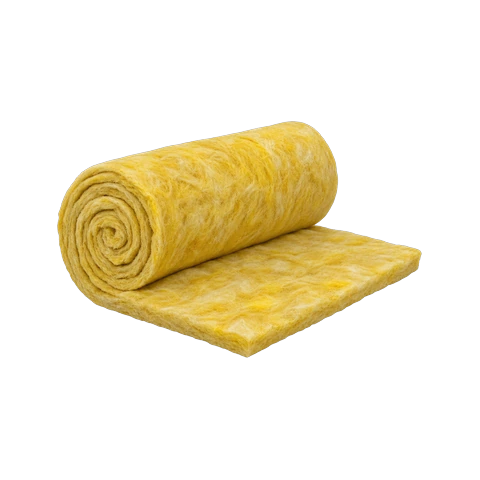
Heat leaves through the roof
In a home with a thin or empty loft, much of the warmth you pay for drifts out above the ceiling. Loft insulation is often the first job to look at.
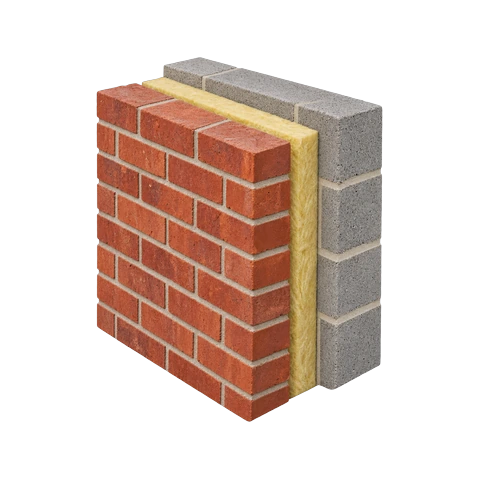
And through the walls
About a third of the heat lost from an uninsulated home escapes through the walls. Filling a cavity, or adding insulation to outside or inside solid walls, keeps more of it in.

Lower bills
Less heat lost means less energy used. For loft insulation, the Energy Saving Trust gives sourced yearly savings by home type, shown below.
A warmer, steadier home
Rooms stay at a more even temperature, so upstairs is less of a struggle in winter. It also helps keep floors and corners from feeling cold.
Source: Energy Saving Trust, cavity wall and solid wall insulation pages, July 2026 fuel prices.
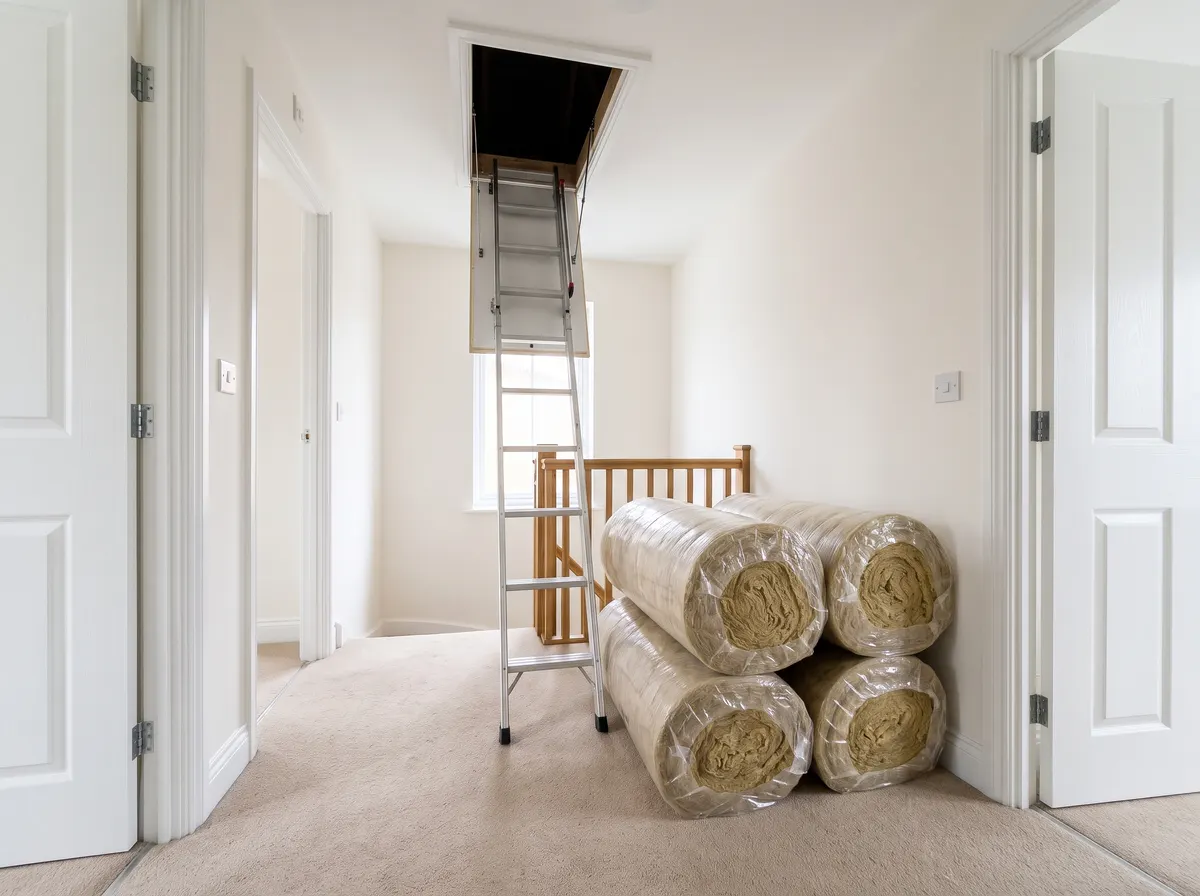
What Does Loft Insulation Cost?
The Energy Saving Trust puts insulating an empty loft at about £750 installed, and topping up from 120mm at about £600.
Those prices are for the standard depth of 270mm. Your quote will move up or down with the points below. See our loft insulation cost guide for prices by home type, and our loft insulation calculator for your own loft.
- how much insulation is already in the loft, and what condition it is in
- the size of the loft and how easy it is to get into
- whether you want boards laid so you can still store things up there
- the material the installer uses
If your loft already has some insulation, a top-up is usually cheaper than starting from bare joists. Whichever you need, ask installers to state the final depth in millimetres, so you can compare like with like.
Insulation installed in homes is zero-rated for VAT until 31 March 2027, so the quote you are given already has no VAT on it. After that the rate is 5%.
Source: Energy Saving Trust, July 2026 prices; HMRC VAT Notice 708/6.
See What Insulation Would Cost For Your Home
Quotes from local installers, usually after a quick survey.
How Much Will You Save?
Savings depend most on the type of home you live in. In a detached house, the Energy Saving Trust gives £360 a year for the loft, £380 for the cavity walls and £500 for solid walls.
Detached homes and bungalows lose the most through the roof. Walls matter more in a detached or semi-detached house, which has more outside wall. A mid-terrace shares walls with its neighbours, so it loses less in the first place.
The loft figures are for an empty loft brought up to 270mm. Topping up an existing layer saves less, but costs less too, at about £600. All figures are for gas-heated homes.
Pick your home type to see each saving next to its cost.
What could insulation save?
Your home type
- Loft£360a year, costs about £750
- Cavity wall£380a year, costs about £2,200
- Solid wall£500a year, costs £12,000 - £15,000
See every home type
| Home type | Loft | Cavity wall | Solid wall |
|---|---|---|---|
| Detached | £360 | £380 | £500 |
| Semi-detached | £190 | £200 | £280 |
| Mid-terrace | £140 | £110 | £150 |
| Bungalow | £350 | £160 | £220 |
| Mid-floor flat | - | £110 | £140 |
| Typical cost | £750 | £2,200 | £12,000 - £15,000 |
Source: Energy Saving Trust, July 2026 fuel prices, checked November 2026: loft, cavity wall and solid wall. Bungalow wall savings are for a detached bungalow. There is no loft figure for a mid-floor flat, which usually has no loft of its own.
Get quotes for your home
Help With The Cost
Insulation has no VAT to pay for now, and some households can get it funded or borrow the money interest-free, if eligible.
Great Britain
0%VAT on installed insulation
0% VAT on insulation
Set by HMRC
Insulation installed in homes is zero-rated until 31 March 2027, then VAT goes back up to 5%. Your installer applies it to the quote.
England
Freeinsulation, if eligible
Warm Homes: Local Grant
Run by local councils
For homes rated EPC D to G with household income usually £36,000 or less, or on certain benefits, where the council is taking part.
Scotland
Up to 75%of the cost of insulation
Home Energy Scotland grant
Funded by the Scottish Government
Capped at £7,500, or £9,000 for rural homes. Ask Home Energy Scotland what your home qualifies for before you commit.
Scotland
0%interest on loans
Home Energy Scotland loans
Funded by the Scottish Government
Interest-free loans are available alongside the grant, to help with the part of the cost you pay yourself.


Switchable is a free comparison and introduction service and is not part of any government scheme. Sources: HMRC VAT Notice 708/6, GOV.UK Warm Homes: Local Grant and Home Energy Scotland, checked November 2026. Eligibility rules apply.
What About Your Walls?
About a third of the heat lost from an uninsulated home escapes through the walls. What you can do depends on whether they have a cavity.
Homes built after the 1920s probably have cavity walls: two layers with a gap between them. Older homes are more likely to have solid walls.
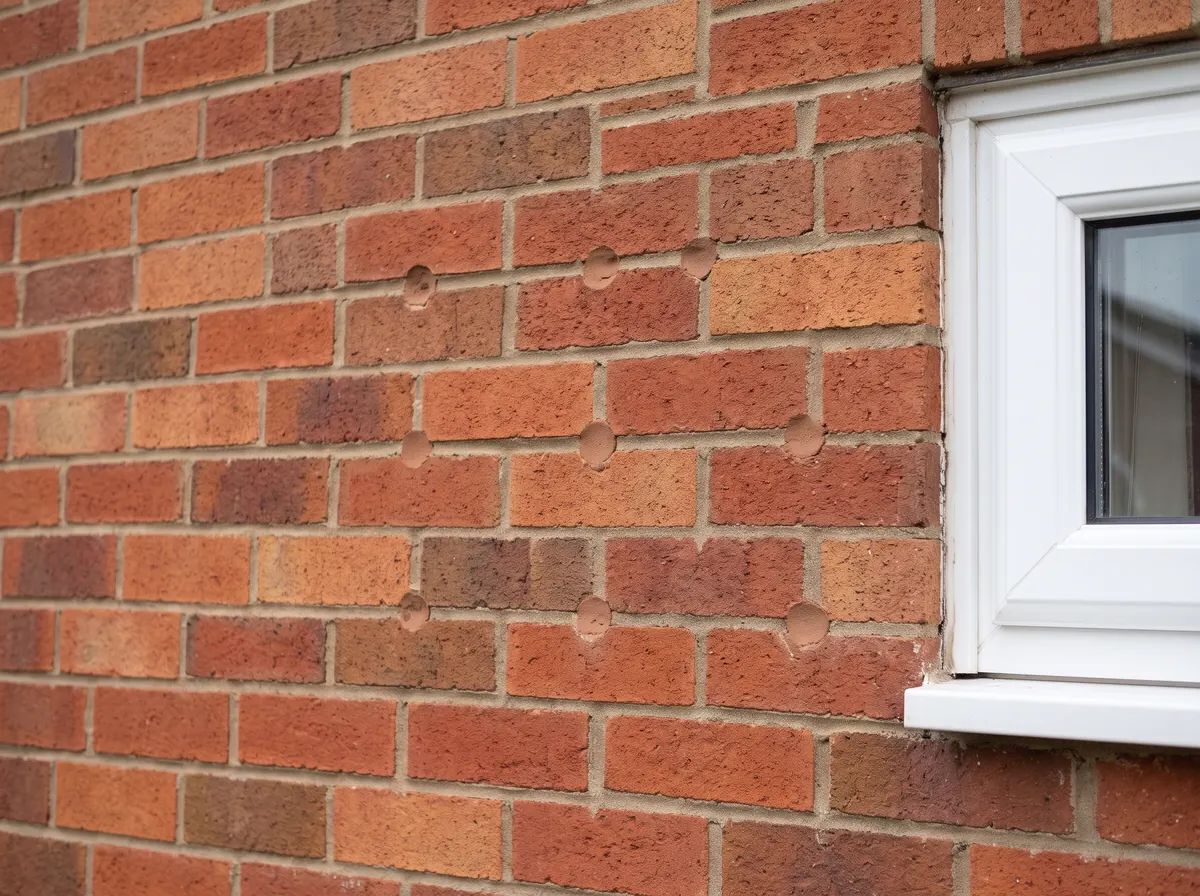
Cavity wall insulation is blown into the gap through small holes drilled in the outer wall, which are then filled in. It leaves the look of your home much as it was.
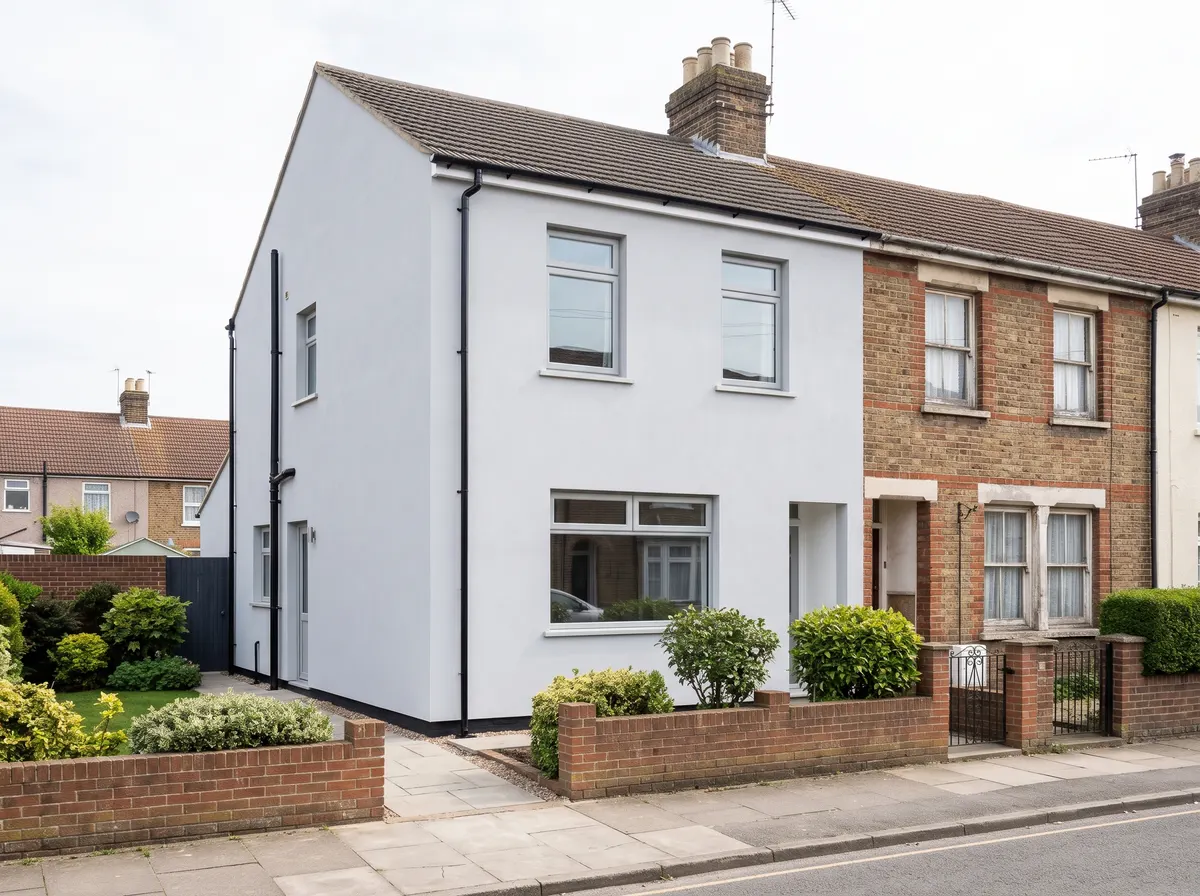
Solid walls have no gap, so the insulation goes on a surface instead. External wall insulation is fixed to the outside and finished with a new render. Internal wall insulation goes on the inside, room by room, and takes a little floor space.
The Energy Saving Trust puts cavity wall insulation at around £2,200 typically. Solid wall insulation costs £12,000 to £15,000: for a three-bed semi, about £15,000 for external and about £12,000 for internal. Yearly savings are in the selector above. For the full breakdowns, see our cavity wall insulation cost and external wall insulation cost guides.
Source: Energy Saving Trust, cavity wall and solid wall insulation, July 2026 fuel prices, checked November 2026.
Which Insulation Is Right For Your Home?
These point you towards the right type. An installer will confirm them at the survey.
- The age of your home
- Homes built after the 1920s probably have cavity walls. Older homes are more likely to have solid walls.
- Wall type
- Cavity walls point to cavity wall insulation. Solid walls point to external or internal wall insulation.
- Loft access
- A loft you can get into suits loft insulation. If it is a converted room, see room in roof. Flat roofs have their own page: flat roof insulation.
- Floors
- Some homes have a void under the floor. Underfloor insulation goes there.
- Awkward roof spaces
- Spray foam is sprayed onto the underside of the roof and expands to fill gaps. It comes as open-cell or closed-cell.
How To Compare Insulation Quotes
Prices for the same job can differ, so compare quotes line by line rather than by the total alone.
Ask for at least a few quotes, and give every installer the same details about your home so the prices are comparable. A quote that looks cheap may leave things out, such as clearing the loft or making good after the work, so check what each one covers before you decide.
- The type and thickness of insulation. For a loft, the depth you end up with is what counts.
- The area covered and exactly which parts of the home are included.
- The material and who makes it.
- Guarantees on the materials and on the work.
- What is included: clearing the loft, removing old insulation, making good and tidying up.
- VAT. Zero-rated until 31 March 2027, so the quote should show none.
How Switchable works
 Check. Tell us your postcode and a few details about your home. It takes about two minutes.
 Compare. Local installers who cover your area get in touch with quotes, usually after a survey.
 Switch. Go ahead with the quote that suits you, or none at all. There is no obligation.
Switchable is free to use. Installers pay us for each introduction, so you never pay us anything.
Get free insulation quotesExplore Insulation
Roof and loft
Walls
Floors and spray foam
Insulation Questions, Answered.
Costs and savings
How much does loft insulation cost?
The Energy Saving Trust puts insulating an empty loft, up to 270mm, at about £750 installed. Topping up a loft that already has 120mm costs about £600. Insulation installed in homes carries 0% VAT until 31 March 2027, then 5%.
Source: Energy Saving Trust, July 2026 prices.
How much will insulating my loft save?
For an empty loft, the Energy Saving Trust gives £360 a year for a detached home, £190 for a semi-detached, £140 for a mid-terrace and £350 for a bungalow. Your own saving depends on how you heat your home and how much insulation is already there.
Source: Energy Saving Trust, July 2026 prices.
Does insulation cost more for some homes than others?
Yes. Price depends on the size of the area, how easy it is to reach and the type of insulation. That is why it pays to compare quotes line by line. For walls, the Energy Saving Trust puts cavity wall insulation at around £2,200 and solid wall insulation at £12,000 to £15,000. Ask each installer to break their price down.
Source: Energy Saving Trust, July 2026 fuel prices, checked November 2026.
Is there VAT on insulation?
Not at the moment. Insulation installed in homes in Great Britain is zero-rated until 31 March 2027. After that the rate is 5%.
Source: HMRC VAT Notice 708/6.
Choosing the right insulation
Where should I insulate first?
Many homes start with the loft, because it is easy to reach and the cost is clear. About a third of the heat lost from an uninsulated home escapes through the walls, so they matter too. An installer can tell you which gap is biggest when they survey the property.
How do I know if I have cavity walls or solid walls?
Cavity walls have two layers with a gap between them. Solid walls are a single thickness. Homes built after the 1920s probably have cavity walls, and older homes are more likely to have solid ones. An installer can tell on a survey, and the answer decides whether you look at cavity wall, external wall or internal wall insulation.
Can I insulate a loft I use for storage?
Often yes, but you will need a plan for where the boards go. Your installer can raise the boards above the insulation so you keep your storage space.
What is spray foam insulation?
Foam sprayed onto the underside of the roof, where it expands to fill gaps. It comes in open-cell and closed-cell forms. Read our spray foam guide and ask installers to explain what they would use and why.
Grants and quotes
Are there grants for insulation?
In England, the Warm Homes: Local Grant can fund insulation for eligible households through councils that are taking part: EPC D to G, and household income usually £36,000 or less or on certain benefits. In Scotland, Home Energy Scotland grants can cover up to 75% of the cost, capped at £7,500 (£9,000 for rural homes), plus interest-free loans.
How many quotes should I get?
Getting several lets you compare price, what is included and the guarantee offered. Switchable gets you quotes from local installers in one go, free and with no obligation.
Does Switchable install insulation?
No. Switchable compares and introduces. Local installers do the survey, quote and fitting, and they pay us for each introduction, so it costs you nothing.
Get Your Free Quotes Today.
Compare quotes from installers in your area. It takes about two minutes and there is no obligation.