Solar · Guide
Are Solar Panels Worth It In 2026?
For most UK homes with a sunny roof, yes. What a system costs, what it saves and when it is not worth it.
- Typical cost
- £7,600
- Pays back in
- 9 - 12 yrs
- Panels last
- 25+ yrs
Source: Energy Saving Trust, updated 1 October 2026.
On this page
The short version
Yes, for most UK homes with a suitable roof and someone who uses power in the daytime, solar panels are worth it. The Energy Saving Trust (EST) puts a typical 4.5 kWp home system at about £7,600 installed, saving £900 to £930 a year for a London home once export payments are counted. That pays the system back in 9 to 12 years, and the panels keep going for 25 years or more.
The answer depends on your roof, where you live and when you are home. This guide gives the figures and says when solar is not the right move. To see real prices for your own home, get solar quotes from local installers for free.
What do solar panels cost in the UK?
The EST says a typical home system of about 4.5 kWp costs around £7,600 to install.
Your own quote will differ. The cost moves with the size of the system, how easy your roof is to reach, and the kit you choose. A smaller home or a flat can sensibly go smaller, so it is worth reading our guides to a 3kW solar panel system and small solar panels before you decide how much you need. Our solar panels hub covers the whole process from first quote to switch-on.
Source: Energy Saving Trust solar panels page, updated 1 October 2026.
How much will solar panels save you?
For a typical London home, the EST puts the saving at £900 to £930 a year, including payments for the power you export to the grid. Homes further north generate a little less, so the saving is lower there.
Two things drive the number: how much of your own solar power you use as it is made, and the export payment for the rest, covered in the Smart Export Guarantee section below.
Source: Energy Saving Trust solar panels page, updated 1 October 2026.
How long do solar panels take to pay for themselves?
Between 9 and 12 years for most homes. The EST's figures below include export payments and are based on fuel prices in July 2026. A London home pays back in about 9 years, and a home near Stirling takes 11 to 12 years. Being out all day adds a year at most in these examples, so you do not need to be home all day to make solar worthwhile.
| Location | Home all day | Home half the day | Out all day |
|---|---|---|---|
| London | 9 years | 9 years | 9 years |
| Manchester | 10 years | 10 years | 11 years |
| Aberystwyth | 9 years | 9 years | 10 years |
| Stirling | 11 years | 11 years | 12 years |
Once the system has paid back, the electricity it makes is effectively free for the rest of its life. With panels that last 25 years or more, that is a long stretch of savings after the payback date.
Source: Energy Saving Trust solar panels page, updated 1 October 2026. Payback is in years, with export payments, for homes in England, Scotland and Wales.
What makes solar panels more worth it?
The same panels can be an excellent buy for one home and a so-so one for the next door neighbour. These are the things that tilt it in your favour.
Using power in the daytime
Panels make power while the sun is up. If someone is home, or you run the washing machine, dishwasher and hot water in daylight hours, you use more of what you generate. That is the single biggest lever you control.
A solar battery
A battery stores the power you do not use in the day so you can use it in the evening. The EST says battery costs range from £1,500 to £10,000 depending on type and size, with a 5kWh system at around £4,600. A typical home battery is about 10 kWh, and the typical lifespan is about 10 to 12 years, which is shorter than the panels, so you would expect to replace it first.
The EST is clear that a battery will not always pay for itself on its own, and that the savings can be significant but will not always be enough to justify the cost. It also says that fitting a battery at the same time as the panels is the cheaper route. If you are weighing one up, read our guide to solar battery storage, and ask installers to quote with and without a battery so you can see what it adds.
Source: Energy Saving Trust battery storage page, updated 6 October 2026.
A heat pump or an electric car
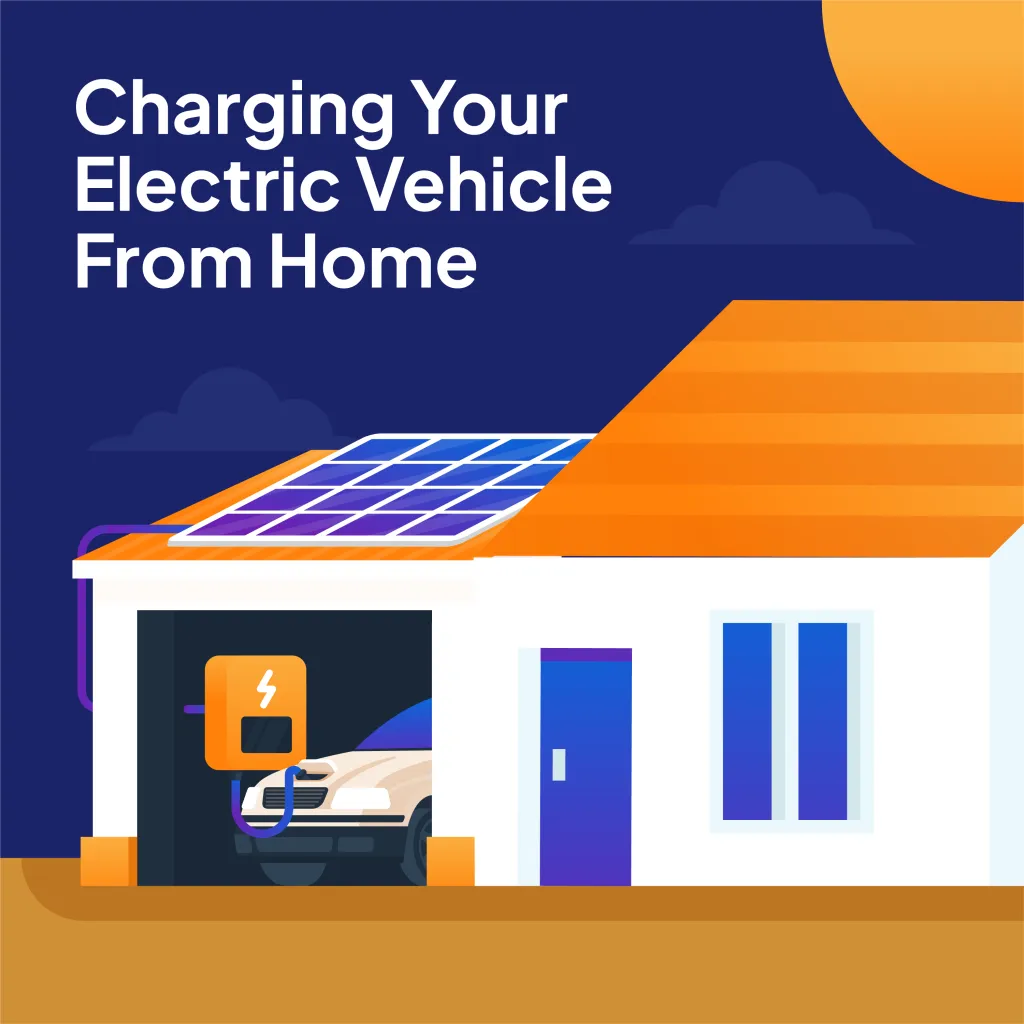
The more electricity your home uses, the more of your solar power gets used on site. The EST says a battery saves you more money if it is running a heat pump than if it is only storing power to export. An electric car charged in the daytime does the same job for your panels. If you have or plan to buy either, say so when you ask for quotes.
A smart tariff and a diverter
A time-of-use tariff charges less at certain hours, which helps when you pair it with a battery that charges cheaply and discharges when power is dearer. If you do not want a battery, a solar diverter sends spare solar power to your hot water cylinder instead of exporting it. Our guide explains what a solar diverter is and who it suits.
Roof direction and shade
South-facing roofs generate the most. East and west-facing roofs still work, with less output. Shade from trees, chimneys or nearby buildings matters as much as direction, so an installer will check both at the survey. Panels need daylight rather than direct sun, so they keep generating on overcast days.
When are solar panels not worth it?
Solar is not right for every home. Be cautious in these cases.
- Heavy shade. If trees or buildings shade the roof for much of the day, output falls and the payback stretches well beyond the figures above.
- A roof that needs replacing. Panels last 25 years or more, so fix a tired roof first. Taking panels off and putting them back later adds cost.
- Moving soon. A payback of 9 to 12 years only works if you stay long enough to collect it.
- Listed buildings and planning limits. Most home solar counts as permitted development, but listed buildings and homes in conservation areas often need permission, and the rules in Wales can differ. Check with your local council before you pay for a survey.
Source: Planning Portal, checked November 2026.
Are there grants or VAT savings for solar panels?
The EST says there are no dedicated solar panel grants from the UK Government. There is still help, depending on where you live and your circumstances.
- VAT. Home solar panels and batteries are zero-rated for VAT until 31 March 2027, then VAT goes back to 5%. Your installer applies it to the quote.
- England. The Warm Homes: Local Grant can fund solar for eligible lower-income homes through local councils that are taking part. It is aimed at homes rated EPC D to G, and eligibility rules apply, so check with your council.
- Scotland. Home Energy Scotland does not fund standard solar panels, but its interest-free loans cover solar water heating and hybrid PV-T panels.
Switchable is a free comparison and introduction service and is not part of any government scheme. Installers confirm what applies to your home when they quote.
Sources: HMRC VAT Notice 708/6, GOV.UK Warm Homes: Local Grant, Home Energy Scotland and the Energy Saving Trust, checked November 2026.
How does the Smart Export Guarantee work?
The Smart Export Guarantee (SEG) pays you for the spare power your panels send back to the grid. Energy suppliers with 150,000 or more customers must offer an export rate above zero. Rates vary from one supplier to the next, so compare them as well as your quotes. You do not have to sign up with your own supplier.
To qualify, your system must be MCS certified, and you need a smart or half-hourly meter. Your installer should give you the MCS certificate.
The EST's savings and payback figures already include export payments.
Sources: Ofgem Smart Export Guarantee and the Energy Saving Trust, checked November 2026.
How long do solar panels last, and do they need maintenance?
The EST says panels should last 25 years or more. The inverter, which turns the panels' power into the kind your home uses, is usually replaced after about 12 years. Inverter warranties start at five years and can often be extended up to 15, so ask about the warranty before you accept a quote.
Maintenance is light. In the UK, rain keeps panels tilted at 15 degrees or more clean. Very flat installations, or homes near dusty roads or farms, may need the odd clean, and our guide on how to clean solar panels shows how. Keep nearby trees trimmed so they do not start to shade the roof.
On the environmental side, a typical home system saves around one tonne of carbon a year, depending on where you live.
Source: Energy Saving Trust solar panels page, updated 1 October 2026.
How do you compare solar panel quotes?
Get at least three quotes, as the EST advises. Three side by side show you what is normal for your roof.
- Check MCS certification. You need it to claim the Smart Export Guarantee.
- Compare like with like. Look at system size, panel and inverter make, inverter warranty and whether a battery is included.
- Ask for a version with and without a battery. That shows you what the extra spend buys.
Switchable compares and introduces. We pass your details to local installers who contact you with quotes, and the installers do the survey and the fitting. It is free and there is no obligation to go ahead. Get solar quotes when you are ready.
Pros and cons
Pros
- Cuts what you buy from the grid for 25 years or more
- Pays back in 9 to 12 years for most homes
- Earns export payments for power you do not use
- No VAT on home solar and batteries until 31 March 2027
Cons
- A large upfront cost, about £7,600 for a typical system
- Saves less if nobody uses power in the daytime
- Heavy shade cuts the output and stretches the payback
- The inverter usually needs replacing once, after about 12 years
Our verdict
Worth it for most homes with a sunny, unshaded roof
If someone is home in the day, or you add a battery, heat pump or electric car, solar is a solid long-term saving. Get at least three quotes and compare them line by line: system size, panel and inverter make, and the inverter warranty.
Compare solar quotesFrequently asked questions
Are solar panels worth it in the UK?
For most homes with a suitable roof, yes. A typical £7,600 system saves £900 to £930 a year in London and pays back in 9 to 12 years, with panels lasting 25 years or more. Savings are lower further north and where the roof is shaded.
Are solar panels worth it if you are out all day?
Often, yes. The EST's examples show a payback of 9 to 12 years even for a home that is empty all day, because you are paid for the power you export. Being home in the day shortens it a little.
Are solar panels a good investment?
Panels pay you back through lower bills and export payments, and then keep saving for years afterwards. They are not a get-rich scheme: a 9 to 12 year payback means you need to stay in the home long enough to benefit.
Are solar panels expensive?
A typical 4.5 kWp home system costs about £7,600 installed, which is a big upfront spend. Smaller systems cost less, and home solar is zero-rated for VAT until 31 March 2027. Getting at least three quotes shows you the going rate for your roof.
Are solar panels worth installing if I might move?
Only if you will stay long enough to cover the payback. If you plan to move within a few years, the saving you collect may not cover the cost, so weigh that up before you commit.