Solar Panels, Compared.
Free, no-obligation quotes from local installers. See what solar would cost and save for your home.
Takes about two minutes. Installers pay us, so it is free for you.
130+installers and energy companies work with us
- Typical cost
- £7,600for a 4.5 kWp home system
- Yearly saving
- £900 - £930in London with export payments; less further north
- Pays for itself
- 9 - 12 yearsdepending on where you live and when you are home
- Panel lifespan
- 25+ yearsthe inverter is usually replaced after about 12
Source: Energy Saving Trust, solar panels page updated 1 October 2026.
What Do Solar Panels Cost?
The Energy Saving Trust puts a typical home system, around 4.5 kWp, at about £7,600 installed.
Your quote will move up or down with the points below. For a smaller roof, see our guides to 3kW systems and small solar panels.
- the size of the system, which depends on your roof space and how much electricity you use
- how easy your roof is to reach, and whether scaffolding is needed on more than one side
- panels fitted on top of your tiles, or solar tiles built into the roof
- whether you add a battery, or a diverter to heat your hot water
- whether the roof covering needs repairs first
Home solar and batteries are zero-rated for VAT until 31 March 2027, so the quote you are given already has no VAT on it. After that the rate is due to go up to 5%.
See What Solar Would Cost For Your Home
Quotes from local installers, usually after a quick survey of your roof.
How Much Will You Save?
A typical system saves £900 to £930 a year for a home in London, including the payments you get for power you export.
Homes further north save less, because they get less direct sun. Being home in the day helps too: power you use as it is made saves you the full price of electricity, while power you export earns a lower Smart Export Guarantee rate.
Put together, the Energy Saving Trust works out that a typical system pays for itself in 9 to 12 years. Panels last 25 years or more, so most homes get well over a decade of savings after that.
To get the most from your panels, run the washing machine, dishwasher and other big appliances in daylight. The Energy Saving Trust notes solar works best alongside a battery, a heat pump, an electric car or a time-of-use tariff. A typical system also saves around one tonne of carbon a year, depending on where you live.
How long until it pays for itself?
Where you live
How much you are home
9years to pay back
See every figure
| Where you live | Home all day | Home half the day | Out all day |
|---|---|---|---|
| London | 9 | 9 | 9 |
| Manchester | 10 | 10 | 11 |
| Aberystwyth | 9 | 9 | 10 |
| Stirling | 11 | 11 | 12 |
Source: Energy Saving Trust, page updated 1 October 2026.
Get quotes for your roof
Help With The Cost
Solar has no national grant for most homes, but there is no VAT to pay, you get paid for the power you export, and some households can get it free.
Great Britain
0%VAT on panels and batteries
0% VAT on solar
Set by HMRC
Home solar and batteries are zero-rated until 31 March 2027, then VAT goes back up to 5%. Your installer applies it to the quote.
Get solar quotesGreat Britain
Earnfrom the power you export
Smart Export Guarantee
Export tariff, rules set by Ofgem
Suppliers with 150,000 or more customers must offer a rate above zero. You need an MCS-certified system and a smart meter.
How much you could saveEngland
Freesolar, if eligible
Warm Homes: Local Grant
Run by local councils
For homes rated EPC D to G with household income usually £36,000 or less, or on certain benefits, where the council is taking part.
Get solar quotesScotland
Loansfor solar water heating and PV-T
Home Energy Scotland
Funded by the Scottish Government
There is no grant for standard solar panels in Scotland. Interest-free loans cover solar water heating and hybrid PV-T panels.
Solar in Scotland


Switchable is a free comparison and introduction service and is not part of any government scheme. Sources: HMRC VAT Notice 708/6, Ofgem, GOV.UK Warm Homes: Local Grant and Home Energy Scotland, checked November 2026. Eligibility rules apply.
How Do Solar Panels Work?
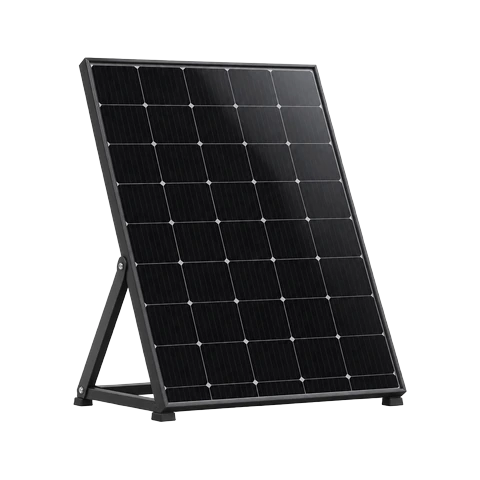
Solar panels turn daylight into electricity for your home. Four parts do the work, and none of them need you to do anything once they are fitted.
Panels make power
Cells in each panel turn daylight into electricity. They work in cloud too, just at a lower rate.
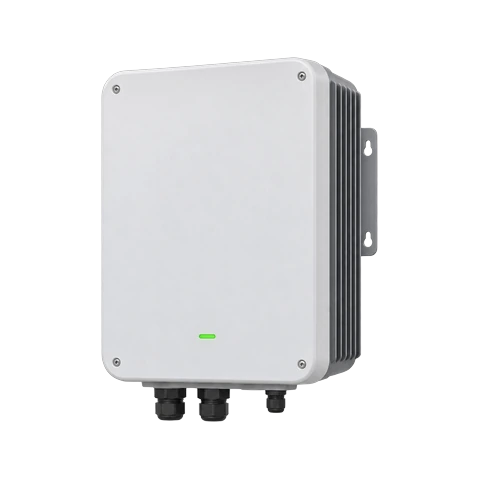
The inverter converts it
Panels make direct current. The inverter turns it into the alternating current your sockets and appliances use.
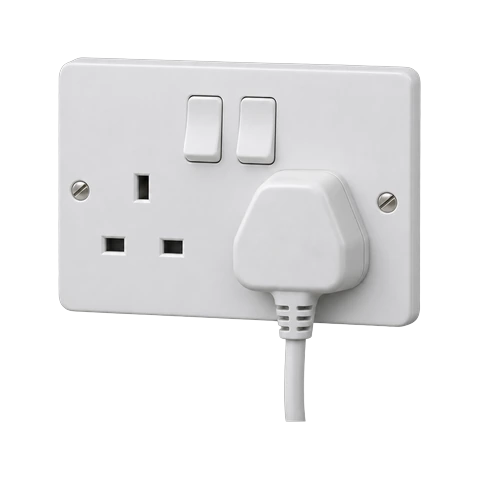
Your home uses it first
Anything running while the panels generate uses your own power before any comes from the grid.
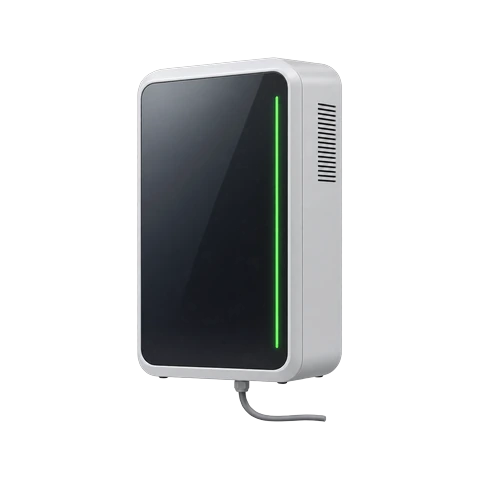
The rest is stored or sold
Spare power charges a battery if you have one, then goes to the grid, where your supplier pays you for it.
At night, or when you need more than the panels make, you use the battery first and then the grid, as you do now.
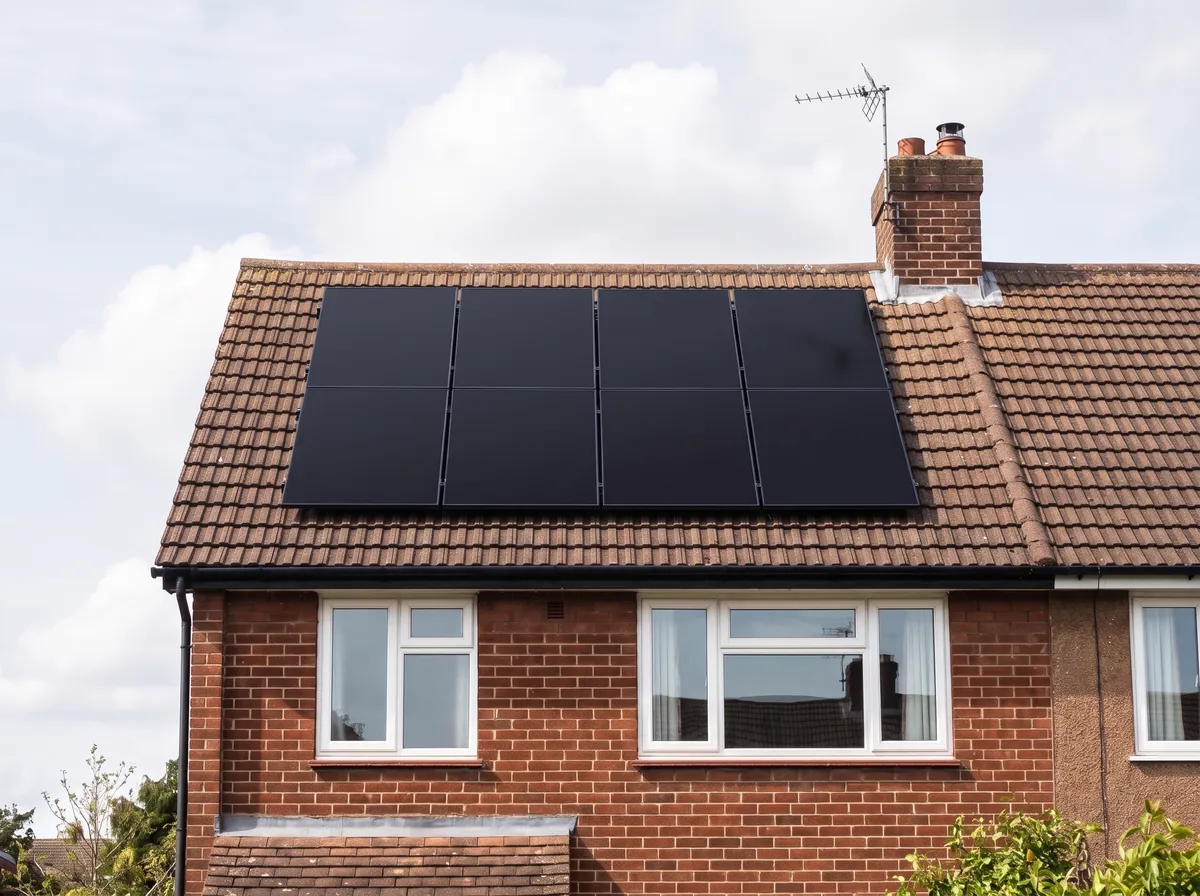
Is Solar Right For Your Home?
Most UK homes with a sound roof and a reasonable amount of daylight can take solar. Four things decide how well it works.
- Which way the roof faces
- South-facing roofs generate the most. East and west still work, with less output.
- Shade
- Trees, chimneys and nearby buildings cut output, so the installer will check the roof through the day.
- Roof space and condition
- There needs to be enough clear roof, in good repair, to carry the panels for 25 years.
- Planning
- Most home solar is permitted development, within limits. Listed buildings and conservation areas usually need permission, and the rules in Wales can differ (see solar in Wales). Planning Portal guidance.
No suitable roof? Ground-mounted panels or a solar carport can work where the roof cannot.
Do You Need A Battery?
No. Solar panels work without one. A battery stores the power you make in the day so you can use it in the evening, instead of exporting it for less.
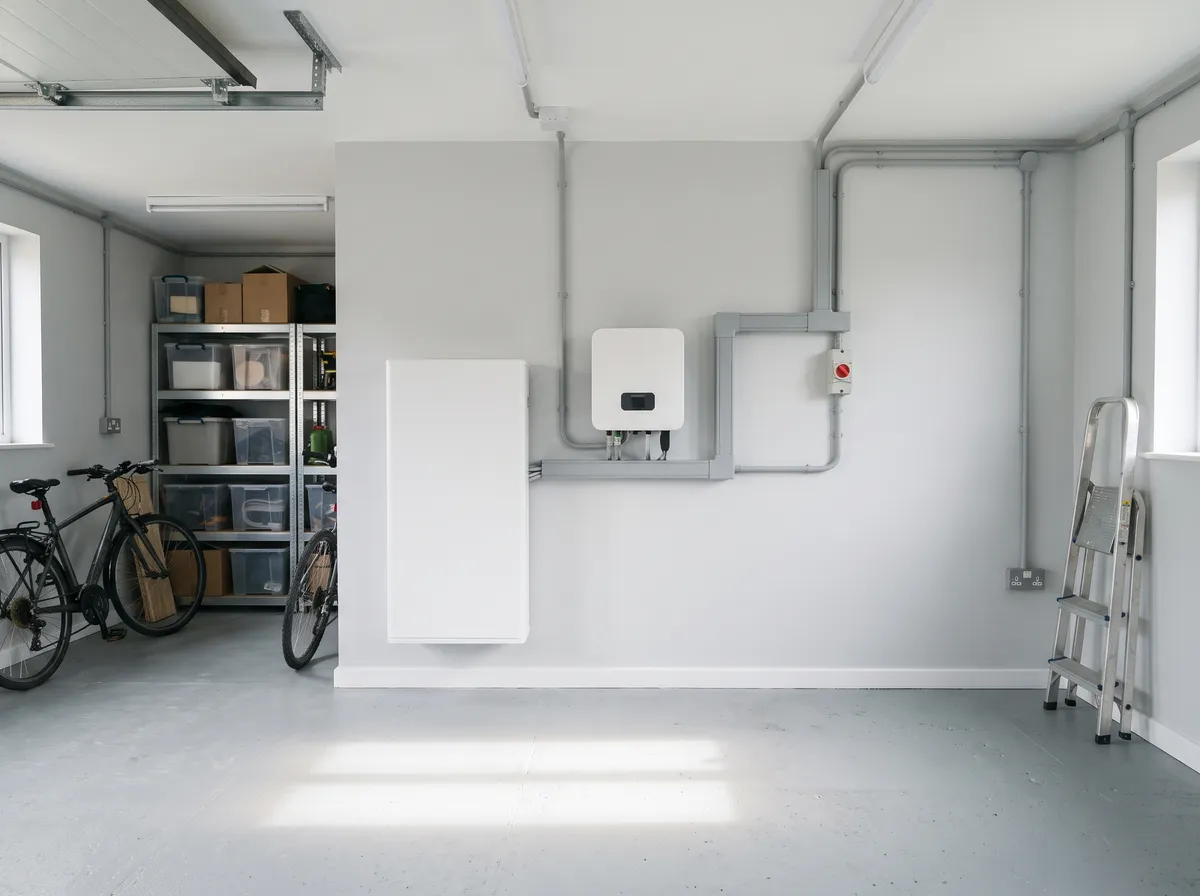
A battery suits you best if most of your household is out in the day and back in the evening, when your panels are making little or nothing. It is often fitted in a garage, utility room or loft, next to the inverter that runs your panels.
Batteries add to the cost, so ask installers to quote with and without one. You can also add a battery later, as long as your system is set up for it.
Read our solar battery guideHow Long Do Solar Panels Last?
Solar is a long-term buy with very little upkeep. The panels outlast everything else in the system.
- 25+ yearsPanels
Panels keep generating for 25 years or more, and need very little looking after.
- About 12Years for the inverter
The inverter converts the power for your home and is the one part you should expect to replace.
- 5 - 15Years of inverter warranty
Warranties start at five years and can often be extended to 15. Ask about it when you compare quotes.
- 15°+Tilt for rain to clean them
In the UK, rain keeps panels tilted at 15 degrees or more clean, so most need no cleaning at all.
Source: Energy Saving Trust, checked November 2026.
How To Compare Solar Quotes
The Energy Saving Trust recommends getting at least three quotes. Prices for the same roof can differ a lot, so compare them line by line.
- The installer is MCS certified. You need an MCS-certified system to get paid for exported power under the Smart Export Guarantee.
- System size in kWp and how much electricity it should make in a year.
- The number and type of panels, and the make of the inverter.
- Warranties on the panels, the inverter and the installation work.
- What is included: scaffolding, any battery, removal of waste and help registering for export payments.
How Switchable works
 Check. Tell us your postcode and a few details about your home. It takes about two minutes.
 Compare. Local installers who cover your area get in touch with quotes, usually after a survey.
 Switch. Go ahead with the quote that suits you, or none at all. There is no obligation.
Switchable is free to use. Installers pay us for each introduction, so you never pay us anything.
Get free solar quotesExplore Solar
- Solar battery storageKeep your daytime power for the evening
- Solar invertersWhat they do and when to replace one
- Small solar panelsFor smaller roofs and outbuildings
- 3kW solar systemsA common size for smaller homes
- Ground-mounted panelsWhen the roof is not the right fit
- Off-grid systemsPower without a grid connection
- Commercial solarFor offices, shops and units
- Solar for farmsBarns, sheds and farm buildings
- Solar carportsPanels over where you park
- Solar in ScotlandLoans, rules and payback north of the border
- Solar in WalesWhat is different in Wales
- Solar guidesEvery solar article in one place
Solar Questions, Answered.
Costs and savings
How much do solar panels cost?
The Energy Saving Trust puts a typical 4.5 kWp home system at about £7,600 installed. Your price depends on the size of the system, how easy your roof is to reach, and whether you choose panels or solar roof tiles. There is 0% VAT on home solar until 31 March 2027.
Source: Energy Saving Trust, checked November 2026.
How much will solar panels save me?
A typical system saves £900 to £930 a year for a home in London, including payments for the power you export. Homes further north save less, and you save more if someone is home in the day to use the power as it is made.
Source: Energy Saving Trust, checked November 2026.
How long do solar panels take to pay for themselves?
Between 9 and 12 years, depending on where you live and how much of the day you are home. A London home pays back in about 9 years; a home near Stirling takes 11 to 12.
Source: Energy Saving Trust, checked November 2026.
Do I get paid for the power I export?
Yes, through the Smart Export Guarantee. Energy suppliers with 150,000 or more customers must offer an export rate above zero. You need an MCS-certified installation and a smart or half-hourly meter. Rates vary, so it is worth comparing them as well as your quotes.
Your home and roof
Do solar panels work on cloudy days?
Yes. Panels need daylight rather than direct sun, so they keep generating when it is overcast, just at a lower rate.
Which way does my roof need to face?
South-facing roofs generate the most. East and west-facing roofs still work, with less output. Shade from trees, chimneys or nearby buildings matters as much as direction, so an installer will check both at the survey.
Do I need planning permission for solar panels?
Usually not. Most home solar counts as permitted development, as long as it meets certain limits and conditions. Listed buildings and homes in conservation areas often need permission, and the rules in Wales can differ, so check with your local council if you are unsure.
Source: Planning Portal.
Do solar panels need cleaning?
Rarely. In the UK, rain keeps panels tilted at 15 degrees or more clean. Very flat installations, or homes near dusty roads or farms, may need the odd clean.
Batteries, kit and quotes
Do I need a solar battery?
No. Panels work without one, and anything you do not use is exported. A battery stores what you make in the day so you can use it in the evening, which raises how much of your own power you use. Ask installers to quote with and without one so you can compare.
How long do solar panels last?
25 years or more. The inverter usually needs replacing after about 12 years. Inverter warranties start at five years and can often be extended to 15.
Source: Energy Saving Trust, checked November 2026.
Are there grants for solar panels?
In England, the Warm Homes: Local Grant can fund solar for eligible lower-income homes through local councils. In Scotland, Home Energy Scotland does not fund standard solar panels, but its interest-free loans cover solar water heating and hybrid PV-T. Everyone in Great Britain pays 0% VAT on home solar until 31 March 2027.
How many quotes should I get?
The Energy Saving Trust recommends at least three. Switchable gets you quotes from several local installers in one go, free and with no obligation.
Get Your Free Quotes Today.
Compare quotes from installers in your area. It takes about two minutes and there is no obligation.