Updated . Figures from the Energy Saving Trust, GOV.UK and Home Energy Scotland.
What Do Heat Pumps Cost?
The Energy Saving Trust puts a typical air source heat pump at about £12,000 to install, before any grant. With the £7,500 Boiler Upgrade Scheme grant, that is about £4,500, if eligible.
the make and size of the heat pump, and whether it is air source or ground source
whether you need a new hot water cylinder
whether any radiators or pipework need upgrading
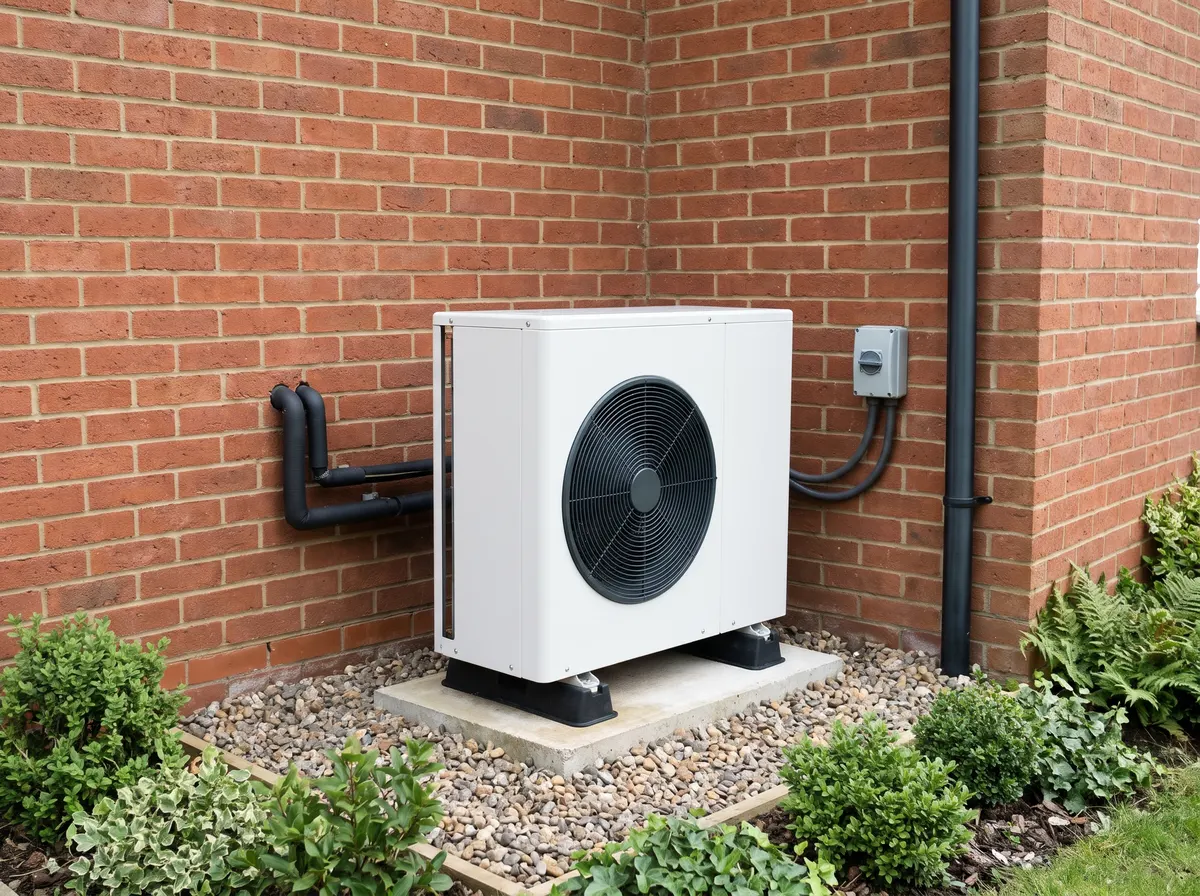
where the outdoor unit goes and how easy it is to reach
Heat pumps installed in homes in Great Britain are zero-rated for VAT until 31 March 2027, so the quote you are given has no VAT on it. After that the rate is 5%. Energy Saving Trust, HMRC VAT Notice 708/6.
See What A Heat Pump Would Cost For Your Home
Quotes from local installers, usually after a quick survey of your home.
How Much Will You Save?
Replacing an older gas boiler, the Energy Saving Trust estimates a heat pump saves about £220 a year on a standard tariff.
The saving grows as you change how you buy energy. If you also come off gas and drop its daily standing charge, it rises to about £330. On a heat pump tariff with no gas standing charge, it is about £530.
That makes your tariff as important as the heat pump itself. When you compare quotes, ask each installer which tariffs suit the system they are proposing.
A heat pump also works well alongside solar panels, which can make some of the electricity it uses.
What could you save a year?
Your tariff
£220a year saved
You keep your gas supply and its standing charge, and stay on a standard electricity tariff.
A heat pump costs more than a boiler, but grants and zero VAT close much of the gap. What you get depends on where you live and your household, if eligible.
England and Wales
£7,500off an air or ground source heat pump
Boiler Upgrade Scheme
Run by Ofgem
Your installer applies for you. £9,000 only if you are off the gas grid and replacing oil or LPG heating, until 31 March 2027. You need an MCS-certified installer.
A heat pump moves heat from the outside air into your home. Three parts do the work, and it keeps working in cold weather.
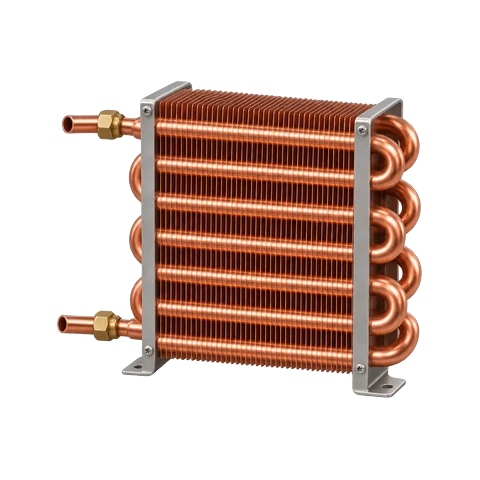
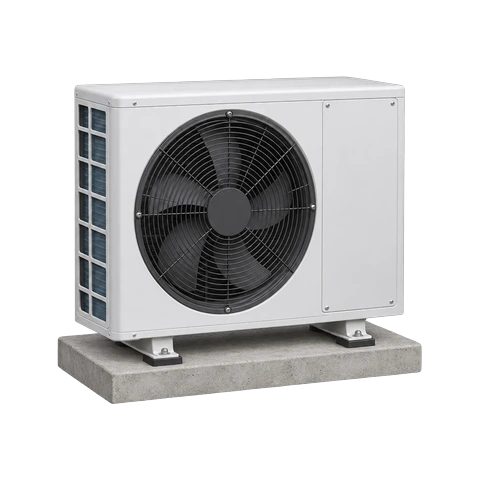
The outdoor unit collects heat
A fan draws outside air over a coil. Even cold air holds heat that the unit can pick up.
The heat is made hotter
A compressor, running on a small amount of electricity, raises the temperature of the heat it has collected.
Your home uses it
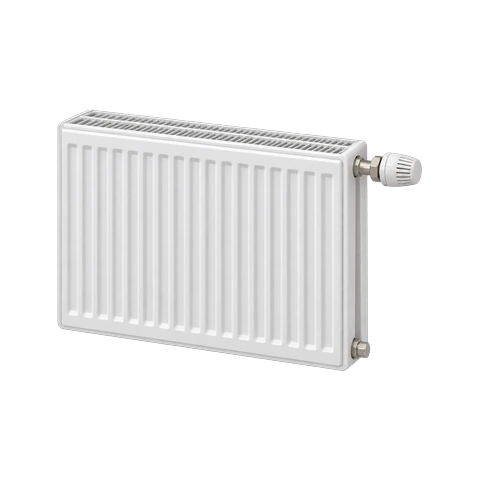
The heat goes into your radiators or underfloor heating, and into your hot water cylinder.
Because it moves heat rather than burning fuel, a heat pump works best in a home that holds its heat. That is why insulation and the size of your radiators matter.
Air Source Or Ground Source: Which Is For You?
Both types qualify for the Boiler Upgrade Scheme. For most homes the choice comes down to outdoor space.
Air source
Takes heat from the outside air through an outdoor unit, so it needs little space and no groundworks. It is the more common choice for UK homes and the one the typical cost above refers to.
suits homes with little garden space
needs no digging in the garden
the outdoor unit needs a clear spot outside
Ground source
Takes heat from pipes buried in the ground, so it needs enough garden for the groundworks. It suits larger plots.
needs a garden big enough for buried pipes
involves groundworks, so your installer will survey the plot
has no outdoor unit on the wall
Is A Heat Pump Right For Your Home?
Most homes can have one, and a survey will confirm it. Four things decide how well it works.
Insulation
A well-insulated home needs less heat, so a smaller, cheaper heat pump can do the job. See insulation first if yours is poor.
Space outside
An air source unit needs a clear spot outside, where air can move freely around it.
A hot water cylinder
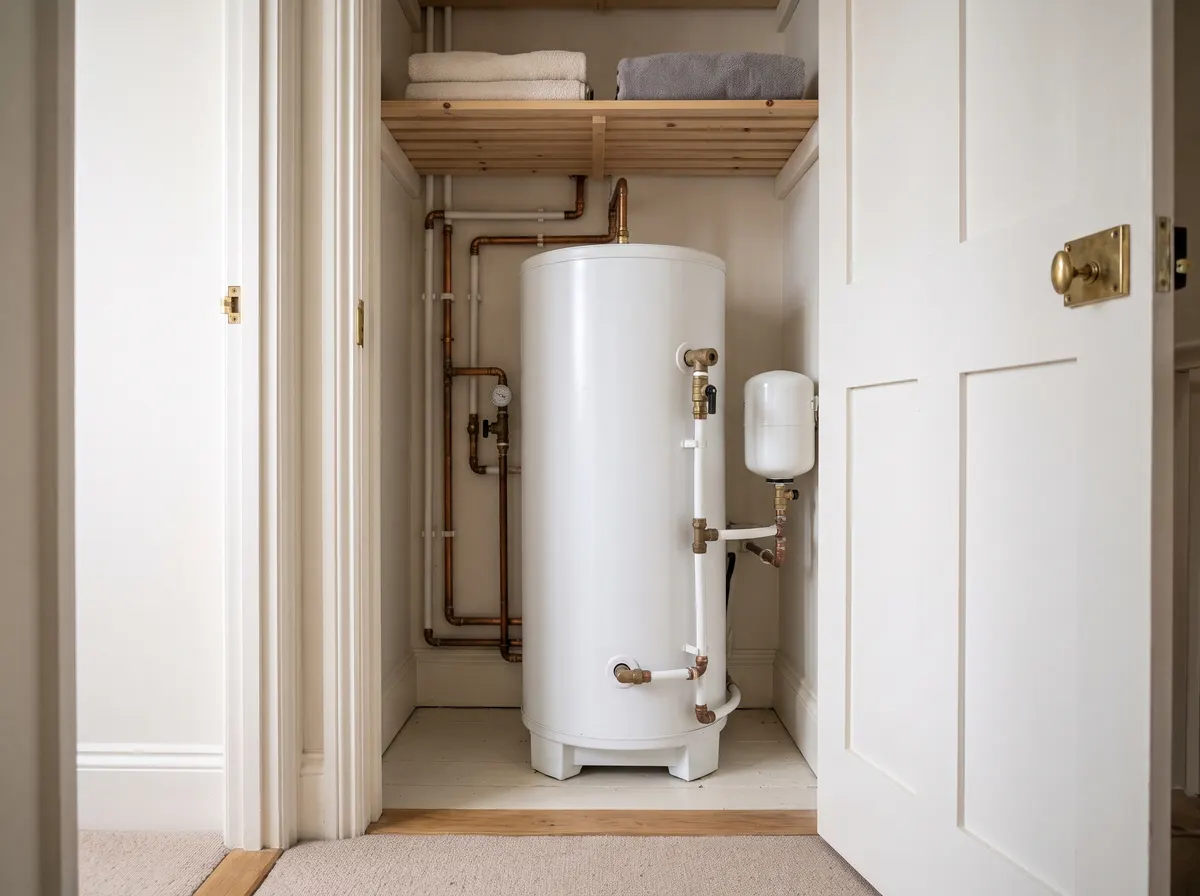
Heat pumps heat water into a cylinder, so you need room for one, often in an airing cupboard or utility room.
Planning
Most home heat pumps are permitted development, within limits. Listed buildings and conservation areas can differ, so check with your local council.
Will It Work With My Radiators?
Often yes, but some radiators may need upgrading to a larger size.
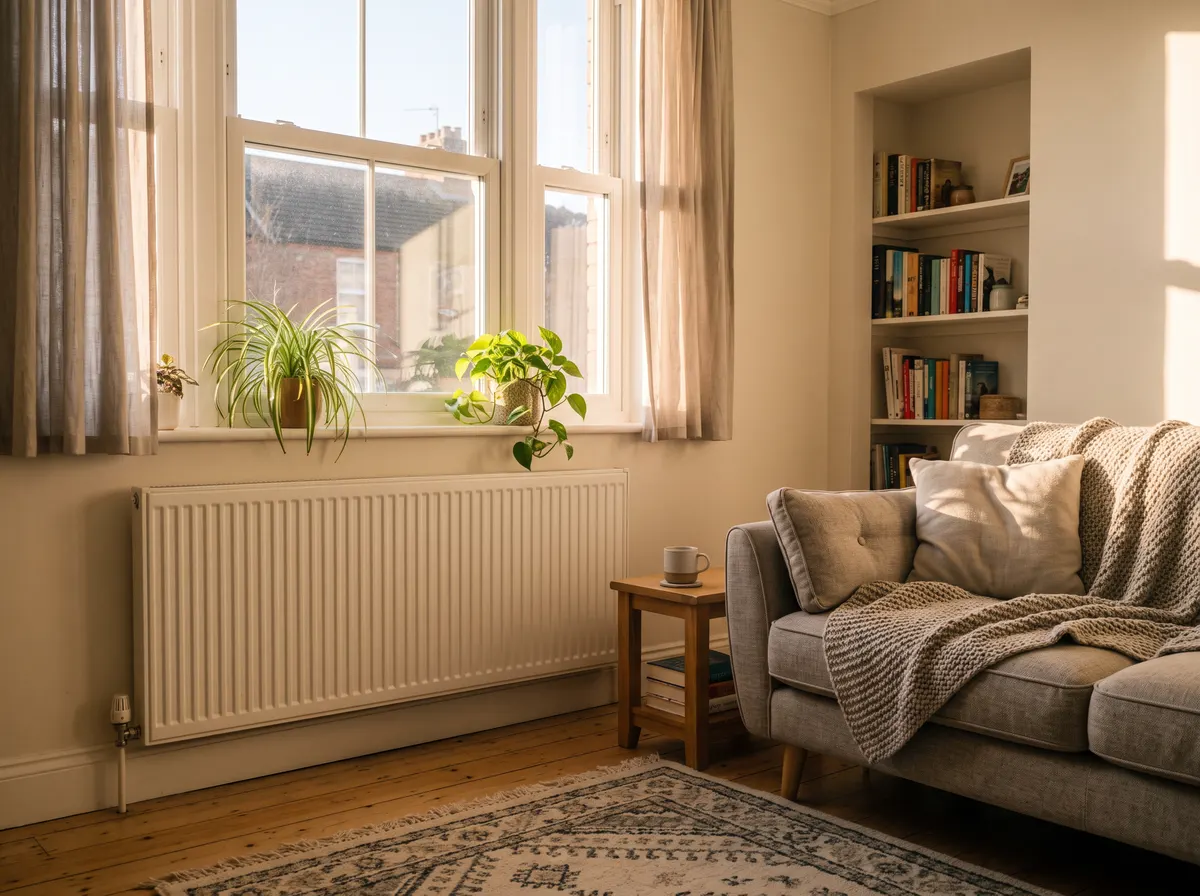
A heat pump usually runs your radiators at a lower temperature than a gas boiler does, so some need to be larger to give out the same warmth. The installer will check each room at the survey and tell you which, if any, to change.
Underfloor heating suits a heat pump well. Ask each installer to list any radiator or pipework changes as separate lines in the quote, so you can compare like with like.
Noise is another common worry. Modern units are designed to be quiet, and your installer can choose a spot for the outdoor unit away from bedrooms and neighbours.
How To Compare Heat Pump Quotes
Prices and designs for the same home can differ a lot, so compare quotes line by line and get more than one.
The installer is MCS certified. You need an MCS-certified installer to use the Boiler Upgrade Scheme, and they apply for the grant for you.
The grant is shown on the quote, with the price before and after it, if you are eligible.
The size and make of the heat pump, and why it suits your home.
Radiators, pipework and the hot water cylinder: what is being changed and what each item costs.
Warranties on the heat pump and the installation work.
How Switchable works
Check. Tell us your postcode and a few details about your home. It takes about two minutes.
Compare. Local installers who cover your area get in touch with quotes, usually after a survey.
Switch. Go ahead with the quote that suits you, or none at all. There is no obligation.
Switchable is free to use. Installers pay us for each introduction, so you never pay us anything.
The Energy Saving Trust puts a typical air source heat pump at about £12,000 installed, before any grant. Your price depends on the size of your home, the heat pump you choose, and any work needed to radiators, pipes or a hot water cylinder. There is 0% VAT on heat pumps installed in homes until 31 March 2027, then 5%.
Source: Energy Saving Trust air source heat pumps page (updated 20 October 2026), checked November 2026.
Is there a grant for a heat pump?
In England and Wales the Boiler Upgrade Scheme takes £7,500 off an air source or ground source heat pump, and your installer applies for you. In Scotland, Home Energy Scotland offers up to £7,500, or £9,000 for rural and island homes, plus an optional interest-free loan of up to £7,500. Eligibility rules apply to both.
Source: GOV.UK Boiler Upgrade Scheme, checked November 2026.
Can I get a heat pump for free?
Some households can. In England the Warm Homes: Local Grant can fund a heat pump for eligible homes, where the council is taking part. Homes are usually rated EPC D to G, with household income of £36,000 or less or certain benefits. The amount depends on your council and your home.
How much will a heat pump save me?
The Energy Saving Trust estimates about £220 a year when replacing an older gas boiler on a standard tariff. That rises to about £330 if you also drop the gas standing charge, and about £530 on a heat pump tariff with no gas standing charge. Replacing one of the most efficient gas boilers saves much less: on a standard tariff you could pay about £110 a year more, so a heat pump tariff matters.
Source: Energy Saving Trust air source heat pumps page (updated 20 October 2026), checked November 2026.
How heat pumps work
How does a heat pump work?
A heat pump moves heat from the outside air into your home. It uses a small amount of electricity to do this, which is why it can deliver more heat than the electricity it uses. The heat goes into your radiators, underfloor heating and hot water.
Do heat pumps work in cold weather?
Yes. Outside air still holds heat in winter, and a heat pump can draw it out. A well-sized system in a well-insulated home keeps the house warm through a UK winter.
What is the difference between air source and ground source?
An air source heat pump takes heat from the outside air through an outdoor unit. A ground source heat pump takes it from pipes buried in the ground, so it needs enough garden for groundworks. Air source is the more common choice for UK homes, and both qualify for the Boiler Upgrade Scheme.
Are heat pumps noisy?
Modern units are designed to be quiet. Where the unit sits matters, so ask your installer to place it away from bedroom windows and neighbours.
Your home and the install
Is my home suitable for a heat pump?
Most homes can have one, and a survey will confirm it. Good insulation helps a lot, and you need space outside for the unit and room inside for a hot water cylinder. Some radiators may need upgrading to a larger size.
Do I need planning permission for a heat pump?
Usually not. Most air source heat pumps on homes count as permitted development, but conditions apply, and listed buildings and conservation areas can differ. Check with your local council if you are unsure, and your installer will advise at the survey.
Do I need an MCS-certified installer?
Yes, for the Boiler Upgrade Scheme. The installer must be MCS certified, and they apply for the grant for you.
Source: GOV.UK Boiler Upgrade Scheme, checked November 2026.
How many quotes should I get?
At least three is a sensible rule, because prices and designs for the same home can differ a lot. Switchable gets you quotes from several local installers in one go, free and with no obligation.
Get Your Free Quotes Today.
Compare quotes from installers in your area. It takes about two minutes and there is no obligation.
Data protection and advertising consent
"Accept All" lets Lead Pronto Ltd (and its trading styles) and our suppliers (see our privacy policy) contact you about home energy and broadband products by phone (including automated and AI calls), SMS, email or post, and lets us use cookies to measure visits and for advertising. You can withdraw at any time.
Full details
We provide a free quote comparison service, funded by our network of home energy and broadband suppliers. To connect you with relevant suppliers and return your quote, we need to share your details with them.
By clicking "Accept All", you agree that Lead Pronto Ltd (and its trading styles) and our network of suppliers (see our privacy policy) may contact you regarding home energy and broadband products and services, including solar panels, batteries, heat pumps, insulation, broadband and related products, by phone (including automated and AI calls), SMS (including WhatsApp), email, and/or post. You can change or withdraw your consent at any time.
"Accept All" also allows statistics and marketing cookies on this site, for 6 months. You can choose them on their own under Settings, or change your mind at any time with the Cookie settings link.
Cookies on Switchable
We use cookies to keep Switchable working and, if you agree, to measure how it is used and to show and measure advertising. Choose "Accept all" or "Reject all", or pick under Settings. You can change your mind at any time with the Cookie settings link. More in our privacy policy.