Cavity Wall Insulation Cost.
Cavity wall insulation costs around £2,200 for a typical home in Great Britain, according to the Energy Saving Trust. A mid-terrace house is about £1,100 and a detached house about £3,900, and a semi-detached house saves about £200 a year on gas heating.
Takes about two minutes. Installers pay us, so it is free for you.
- Typical cost
- £2,200whole home, Great Britain
- By home type
- £950 - £3,900mid-floor flat to detached house
- Yearly saving
- £110 - £380gas-heated, by home type
- Until 31 March 2027
- 0% VATon insulation fitted in homes
Source: Energy Saving Trust, cavity wall insulation, last updated 8 May 2026, unsubsidised costs and July 2026 fuel prices; HMRC VAT Notice 708/6.
How Much Does Cavity Wall Insulation Cost?
The Energy Saving Trust (EST) puts a typical installation in Great Britain at around £2,200. The size of your home is the biggest factor: a mid-floor flat is about £950, a mid-terrace house about £1,100 and a detached house about £3,900, because there is more wall to fill.
These are unsubsidised averages for paying a company to do the work. Quotes for your home can be higher or lower depending on access, the material and the state of the cavity.
Source: Energy Saving Trust, cavity wall insulation, 8 May 2026, checked November 2026.
What Affects the Price
- Wall area. More external wall means more material and more drilling.
- Access. Tall or hard-to-reach walls may need scaffolding or a platform, which adds to the price.
- The material. Polystyrene beads are the usual fill; mineral wool and some foams are also used.
- The state of the cavity. The cavity must be at least 50mm wide and clear of rubble. If it has an old, failed fill, it may need removing first, which costs extra.
- Damp. Any damp has to be fixed before the cavity is filled.
How Much Will It Save?
About 33% of the heat lost from an uninsulated home goes through the walls, the EST says. For a gas-heated home, filling the cavity saves about £110 a year in a mid-terrace house or flat, £200 in a semi-detached house and £380 in a detached house, on July 2026 fuel prices.
The saving depends on how you heat your home and how warm you keep it, so treat these as a guide rather than a promise.
Source: Energy Saving Trust, cavity wall insulation, 8 May 2026, checked November 2026.
Is Cavity Wall Insulation Right for Your Home?
The EST does not recommend filling a cavity if your home is in an exposed spot, faces extreme weather or flooding, or has a cavity narrower than 50mm, usually in houses built before the 1920s, because it could lead to damp. Fix any damp patches before insulating.
If your house was built in roughly the last 20 years, the walls are probably already insulated. Our guide on how to tell if you have cavity wall insulation explains how to check.
Source: Energy Saving Trust, cavity wall insulation, 8 May 2026, checked November 2026.
Can You Get Help With the Cost?
There is no single national grant for insulation now. The Great British Insulation Scheme closed on 31 March 2026, and ECO4, which funded insulation through energy suppliers, ends on 31 December 2026.
In England, the Warm Homes: Local Grant can pay for insulation if your home is privately owned, rated EPC D to G, and your household income is usually £36,000 or less (or you get certain benefits or live in a qualifying postcode). Your local council runs it.
In Scotland, Home Energy Scotland offers a grant of up to 75% of the cost of insulation, to a maximum of £7,500, with an optional interest-free loan for the rest, and £1,500 more for rural and island homes.
Everywhere in Great Britain, insulation installed in homes is zero-rated for VAT until 31 March 2027, so a quote should not add VAT.
Source: GOV.UK, ECO4 end date; GOV.UK, Warm Homes: Local Grant; Home Energy Scotland Grant and Loan; HMRC VAT Notice 708/6, checked November 2026.
How the Work Is Done
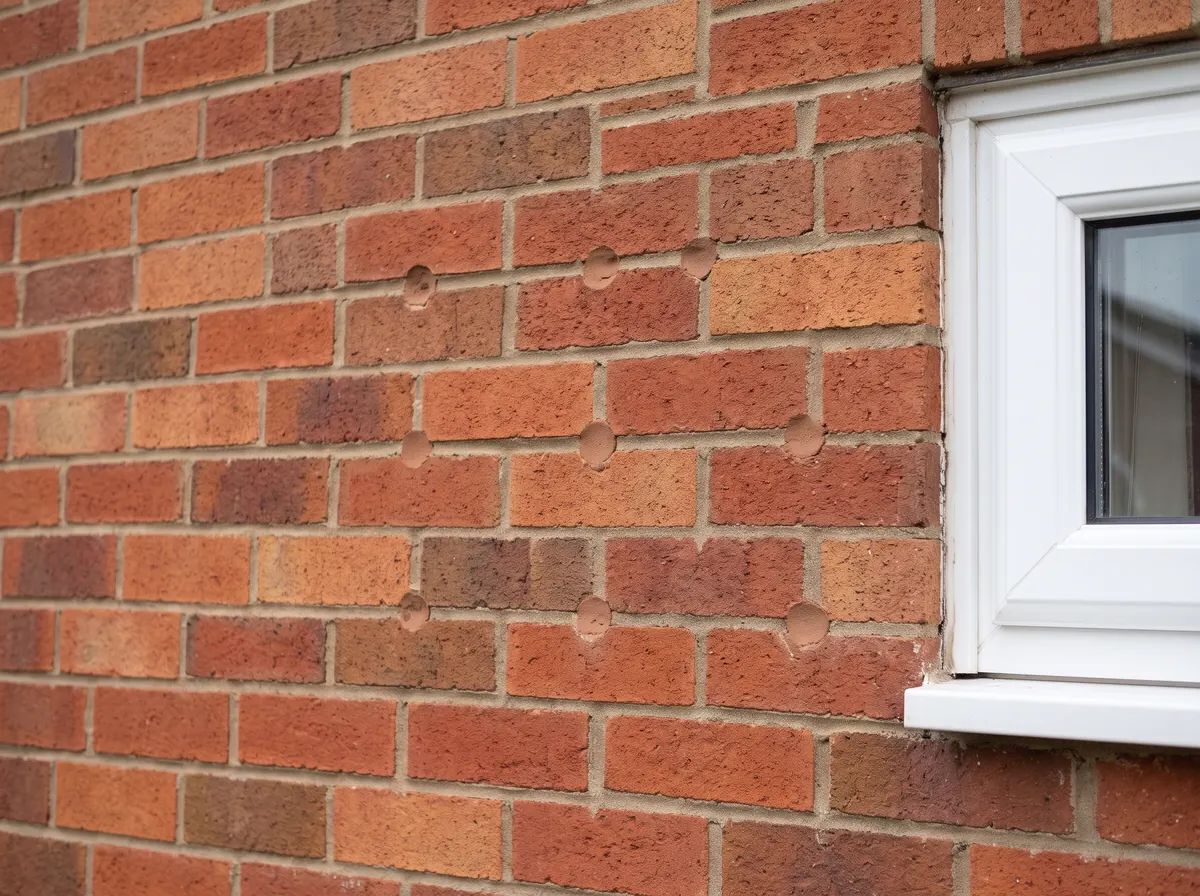
An installer surveys the walls first, then drills holes of around 22mm, about 1m apart, in the outer wall, injects the insulation and fills the holes. For a typical home the EST says the job takes about two hours and should leave no mess.
The work should come with a 25-year guarantee, backed by the Cavity Insulation Guarantee Agency (CIGA) or by independent insurance. Keep it: you will need it if you sell.
Source: Energy Saving Trust, cavity wall insulation, 8 May 2026, checked November 2026.
Cavity Wall Insulation Cost By Home Type
| Home type | Typical installed cost | Yearly saving |
|---|---|---|
| Detached house | £3,900 | £380 |
| Semi-detached house | £2,200 | £200 |
| Detached bungalow | £1,700 | £160 |
| Mid-terrace house | £1,100 | £110 |
| Mid-floor flat | £950 | £110 |
Source: Energy Saving Trust, cavity wall insulation, last updated 8 May 2026. Gas-heated homes, unsubsidised average cost, July 2026 fuel prices.
Get quotes for your homeHow To Compare Quotes
Get at least three quotes and compare them line by line. Prices for the same job can differ a lot.
- A survey first. A good installer checks the property before quoting, including ventilation and damp.
- What is in the price: materials, depth or thickness, access, making good and waste removal.
- Guarantees on the materials and the work, and who stands behind them.
How Switchable works
 Check. Tell us your postcode and a few details about your home. It takes about two minutes.
 Compare. Local installers who cover your area get in touch with quotes.
 Switch. Go ahead with the quote that suits you, or none at all. There is no obligation.
Switchable is free to use. Installers pay us for each introduction.
More On Insulation
- Insulation guideCosts, savings and grants in one place
- Cavity Wall InsulationFill the gap in the wall, if you have one
- Loft Insulation CostWhat insulating or topping up a loft costs
- External Wall Insulation CostWhat insulating solid walls from outside costs
- Internal Wall InsulationCheaper than external, at the cost of space
Cavity Wall Insulation Cost: Your Questions.
How much does cavity wall insulation cost for a semi-detached house?
About £2,200, according to the Energy Saving Trust's figures for Great Britain (May 2026). A gas-heated semi saves about £200 a year once it is done. A quote for your home is the only firm price.
Is cavity wall insulation worth the cost?
For a suitable home, usually. It cuts heat lost through the walls, which the Energy Saving Trust puts at about a third of the heat lost from an uninsulated home. It is not suitable for exposed or damp walls, or cavities under 50mm, so get a survey first.
Can I get cavity wall insulation for free?
Some households can. In England the Warm Homes: Local Grant can fund it for eligible homes on lower incomes, through councils taking part. In Scotland, Home Energy Scotland offers grants and interest-free loans. The Great British Insulation Scheme has closed and ECO4 ends on 31 December 2026.
How long does it take to fit?
The Energy Saving Trust says about two hours for a typical home. The installer drills small holes in the outer wall, injects the insulation and fills the holes.
Do I pay VAT on cavity wall insulation?
No. Insulation installed in homes is zero-rated for VAT until 31 March 2027 (HMRC VAT Notice 708/6). From 1 April 2027 it goes back to the reduced rate of 5%.
Get Your Free Quotes Today.
Compare quotes from installers in your area. It takes about two minutes and there is no obligation.