
Best SEG Tariffs: Current Rates Compared.
The highest Smart Export Guarantee rates, up to 20p per kWh, come with strings: you take your electricity from the supplier or have it fit your system. Tariffs open to any home pay 2p to 6p. Below are 18 tariffs from Octopus, E.ON Next, British Gas, EDF, OVO and ScottishPower, each read on the supplier's own page on 26 November 2026, with the Ofgem rules you need to meet.
Takes about two minutes. Installers pay us, so it is free for you.
- Highest rate read, per kWh
- Up to 20pOVO Install Exclusive, with OVO-fitted panels and battery
- Rates open to any home
- 2p to 6pEDF 2.0p, British Gas 3p, OVO 4p, Octopus 4.1p, E.ON Next and ScottishPower 6p
- Domestic customers
- 150,000Size at which a supplier must offer a SEG tariff, Ofgem
- Legal floor on a SEG rate
- Above 0pOfgem: rates must always be above zero
Source: Ofgem, Smart Export Guarantee and Ofgem, SEG guidance for generators; rates from each supplier's own page, read 26 November 2026. Rates change, so check the supplier before you apply.
In short
- 18 tariffs from six suppliers, each read on the supplier's own page on 26 November 2026. We left out any supplier whose current rate we could not read.
- Tariffs open to any home pay 2p to 6p per kWh. Higher rates, 12p to 20p, need you to buy your electricity from that supplier or have it fit the system.
- You need an MCS certificate or equivalent and a meter that records half-hourly export, usually a smart meter. You cannot also take Feed-in Tariff export payments.
- EDF cut its open variable rate from 3.0p to 2.0p on 28 October 2026. Variable rates move, so check what to ask before you apply.
On this page (9)
How Does The Smart Export Guarantee Work?
Switchable is independent of every supplier on this page and is not paid by any of them for it. Each export rate below is taken from the supplier's own website as it read on 26 November 2026. Read more on how we write our pages.
The Smart Export Guarantee (SEG) obliges larger energy suppliers to pay homes and small generators for the renewable electricity they export to the grid. In plain terms, it pays you for the surplus electricity your solar panels generate that you do not use yourself. Each supplier sets its own SEG rate and contract length, and the rate must always be above zero. You are paid on actual export readings from your meter, and your SEG supplier does not have to be your electricity supplier for imports.
- Who must offer one: licensed suppliers with at least 150,000 domestic customers must offer at least one SEG tariff to eligible generators. Smaller suppliers may offer one voluntarily.
- What qualifies: solar PV, onshore wind, hydro, anaerobic digestion and micro-CHP in Great Britain, up to 5MW (50kW for micro-CHP).
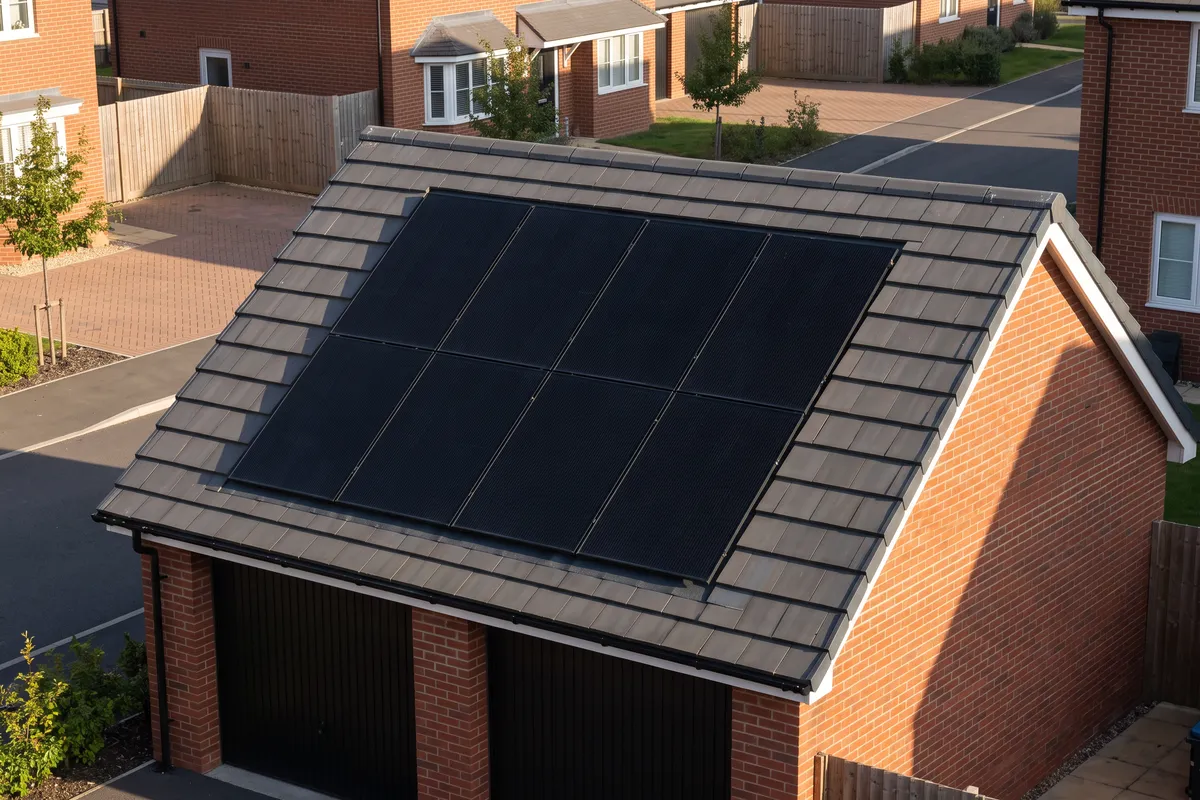
- Certification: for solar PV, wind and micro-CHP up to 50kW you show that the installation and installer are certified, usually with an MCS certificate. Ofgem's guidance accepts equivalent schemes, and the Flexi-Orb scheme is one named on GOV.UK and by several suppliers.
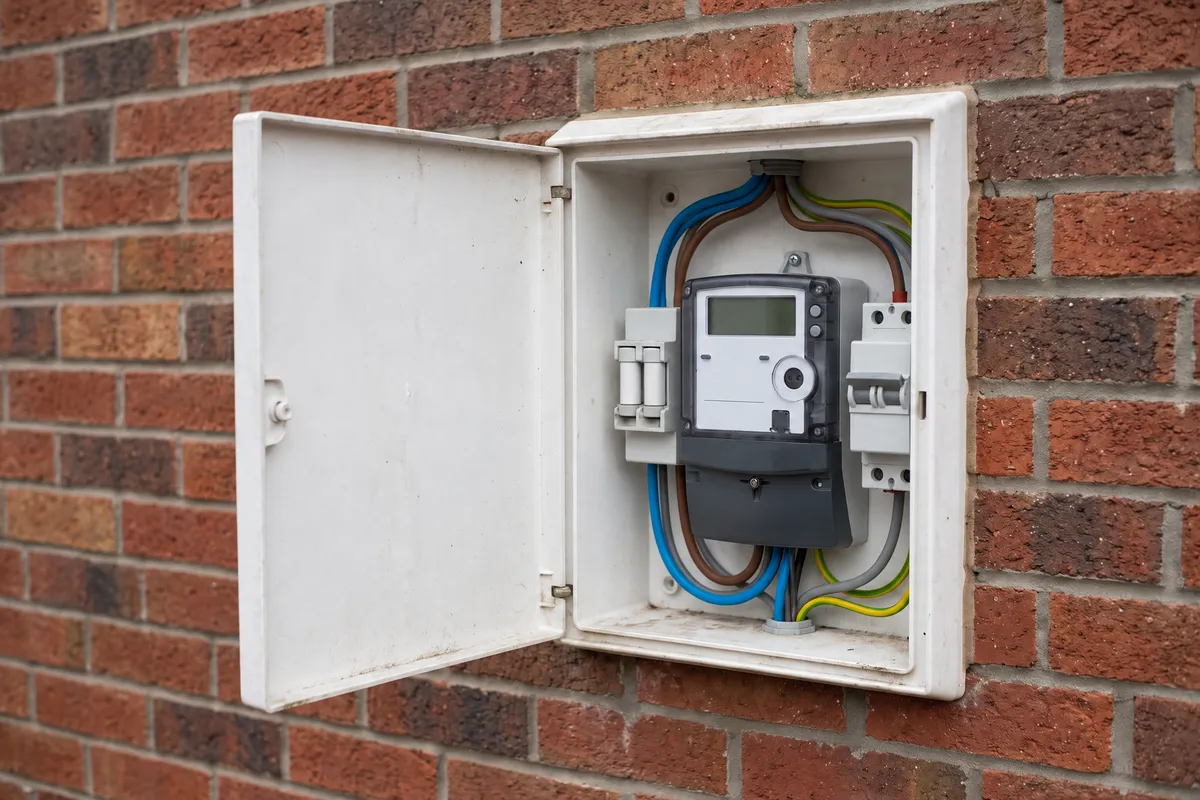
- Metering: the export must be metered by a meter capable of half-hourly readings, with an export MPAN. In practice that is usually a smart meter.
- Feed-in Tariff: you cannot receive SEG payments while also receiving Feed-in Tariff export payments.
Source: Ofgem, SEG guidance for generators (December 2019); Ofgem, SEG for generators; GOV.UK, Smart Export Guarantee, read 26 November 2026.
The Ofgem guidance we read dates from December 2019, so ask a supplier whether its own conditions go further. Several of the suppliers below also ask for a network operator approval letter and, where you have a battery, a wiring diagram.
Which SEG Tariffs Can Anyone Join?
These tariffs do not make you buy your electricity from the supplier. Rates are lower, and the supplier's page is the final word on terms. All were read on 26 November 2026.
| Tariff | Rate per kWh | Fixed or variable | Who can join | Conditions on the page | Date on the supplier's page |
|---|---|---|---|---|---|
| E.ON Next Flex Export v1 | 6p | Variable | New and existing customers. The page does not require an E.ON Next import tariff. | Systems up to 5MW. Smart export meter, MCS or Flexi-Orb certificate, network operator approval. Battery wiring diagram if you have one. | None shown |
| ScottishPower SmartGen | 6p | Not stated | Anyone who owns a generating system, whether or not a ScottishPower customer | Half-hourly export meter, installation certificate and confirmation of the grid connection. | Effective 2 August 2025, read 26 November 2026 |
| Octopus SEG | 4.1p | Flat rate, described as fixed | Anyone who wants an export-only tariff and keeps another supplier for import | MCS or equivalent, half-hourly smart meter, network operator letter for the export MPAN. A battery is not required. | None shown |
| OVO SEG | 4p | Not stated | Homes with electricity from another supplier | MCS or equivalent, smart meter, battery wiring diagram if fitted. Up to 5MW. | None shown |
| British Gas Standard SEG | 3p | Called flat in one place and variable in the FAQ | Anyone, whether or not they buy electricity from British Gas | MCS, Flexi-Orb or equivalent, proof of grid connection approval, smart meter. Exports from battery storage qualify. Paid every three months. | Updated 18 November 2026 |
| EDF SEG Export Variable | 2.0p | Variable | Anyone, whether or not an EDF customer | MCS certificate, export smart meter or half-hourly meter. A battery qualifies if linked to an eligible installation. | 2.0p from 28 October 2026 (3.0p before that) |
Source: Octopus SEG; Outgoing Octopus; E.ON Next export tariffs; British Gas SEG; EDF Smart Export Guarantee; OVO SEG; all read 26 November 2026.
Two things stand out. The gap between the lowest and highest open rate is 4p, which is £40 a year on 1,000kWh of exports. And the rates are variable on most pages, so a rate read today is a starting point, not a promise.
Which SEG Tariffs Need A Supplier Or Installer Tie-In?
Higher rates come with a condition: you buy your electricity from the supplier, or the supplier fits your panels and battery. A rate that depends on switching your import supply is only worth having if the import prices are competitive too, so compare the whole package.
| Tariff | Rate per kWh | Fixed or variable | Who can join | Conditions on the page | Date on the supplier's page |
|---|---|---|---|---|---|
| OVO SEG Install Exclusive | Up to 20p (15p if OVO installs panels only) | Not stated | OVO customers whose panels and battery OVO installs | Under 30kW. Own renewable generation at home. Smart meter. | None shown |
| EDF Export Exclusive 12m V3 | 18p | Not stated | Offered with solar, a battery or both bought from EDF. Enquiry and purchase after 2 March 2026. | Solar PV up to 50kW. No exit fees. | Purchase date 2 March 2026 |
| E.ON Next Export Premium v3 | 17.5p | Fixed, 12 months | Residential homes with systems up to 15kW installed by E.ON Installation Services from 10 November 2025. One per property, no renewals. | Smart export meter, certificate, no exit fees. | Launched 10 November 2025 |
| Prime Outgoing Octopus | 16p from 4pm to 7pm, 9p otherwise | Fixed term, 12 months, no exit fees | Octopus import customers on certain import tariffs | Meter that sends half-hourly export. Battery not required, but suited to solar and a home battery. | None shown |
| ScottishPower SmartGen Premium Plus | 15p | Not stated | ScottishPower customers who installed their solar panels or battery with ScottishPower | Same SmartGen conditions as the open tariff. | Effective 2 August 2025, read 26 November 2026 |
| E.ON Next Export Exclusive v3 | 13p | Fixed, 12 months | New and existing E.ON Next import customers, systems up to 15kW. Time-of-use tariffs such as Next Drive are excluded. | Smart export meter, MCS or Flexi-Orb certificate, no exit fees. | None shown |
| EDF Export 12m V2 | 13p | Fixed, 1 year | Existing residential EDF electricity customers | Solar or battery bought from EDF. No exit fees. | Terms dated October 2025 |
| Outgoing Octopus | 12p | Variable | Octopus import customers on certain import tariffs | Meter that sends half-hourly export, new export MPAN. Battery not required. | None shown |
| British Gas Export Premium | 12p | Variable | British Gas electricity customers at the same address, systems up to 15kW | MCS, Flexi-Orb or equivalent, grid connection approval, smart meter. Exports from batteries qualify. | Updated 18 November 2026 |
| OVO SEG Beyond Exclusive | 12p | Not stated | OVO electricity customers, installed capacity under 30kW | Own renewable generation at home. Optional link to OVO's Beyond1 rewards. | None shown |
| ScottishPower SmartGen Premium | 12p | Not stated | ScottishPower electricity customers | Same SmartGen conditions as the open tariff. | Effective 2 August 2025, read 26 November 2026 |
| EDF SEG Export Variable Value | 5.6p | Variable | EDF electricity customers | MCS certificate, export smart meter. No exit fees. | 5.6p since 22 July 2022 |
Source: Octopus SEG; Outgoing Octopus; E.ON Next export tariffs; British Gas SEG; EDF Smart Export Guarantee; OVO SEG; all read 26 November 2026.
Not in either table: suppliers whose current rate we could not read on their own page on 26 November 2026, including Good Energy, and Octopus's Flux and Agile export tariffs, which show no fixed rate. Check those suppliers directly, and use our Octopus solar panels page for the Octopus tariffs that need a battery.
What Is A SEG Rate Worth?
The table shows what 1,000kWh of exported electricity earns at some rates read above. We chose 1,000kWh because it makes the arithmetic easy, not because it is typical: how much you export depends on your panels, your battery and when you use power.
| Rate per kWh | Earned on 1,000kWh | Tariff example |
|---|---|---|
| 2.0p | £20 | EDF SEG Export Variable |
| 3p | £30 | British Gas Standard SEG |
| 4.1p | £41 | Octopus SEG |
| 6p | £60 | E.ON Next Flex Export v1 |
| 12p | £120 | British Gas Export Premium, Outgoing Octopus |
| 17.5p | £175 | E.ON Next Export Premium v3 |
| 20p | £200 | OVO SEG Install Exclusive (up to) |
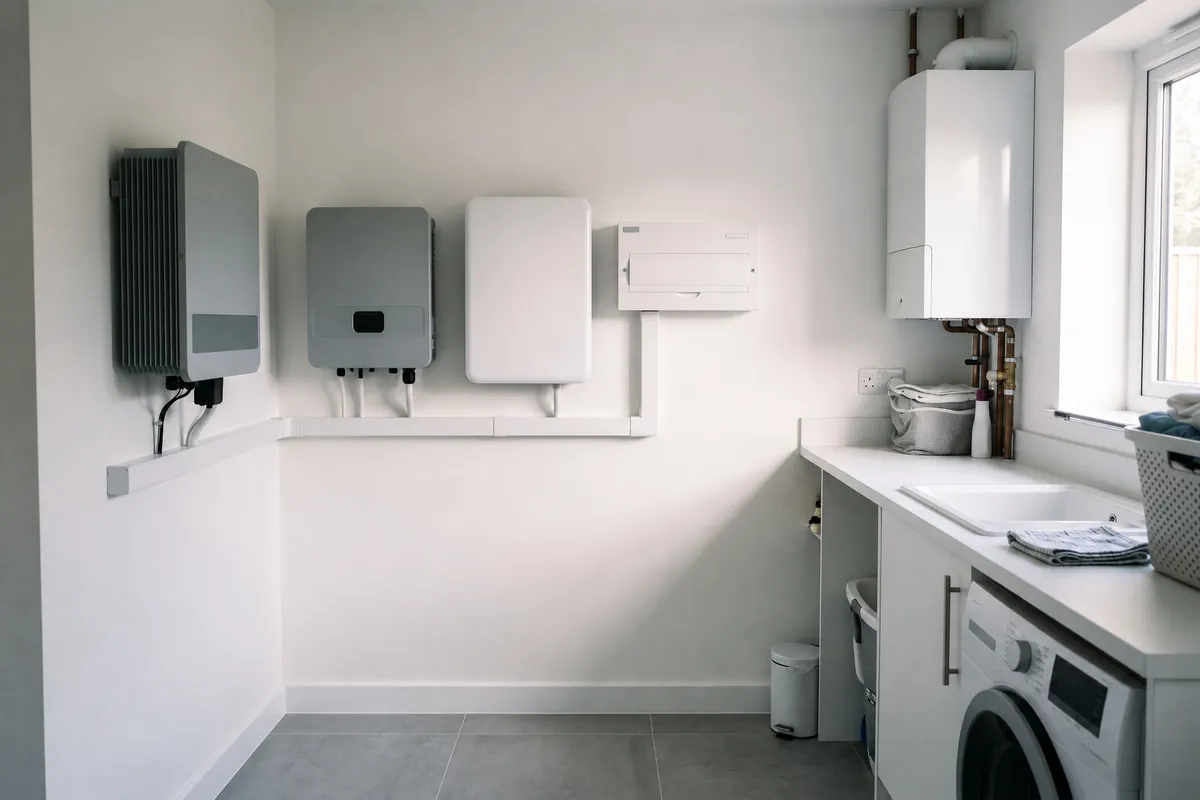
Set that against the cost of switching your electricity supply. A 12p export rate on 1,000kWh is £120 a year, but if, for example, the supplier's import price costs you £100 a year more, most of the gain is gone. Hive's example for an 8-panel system with a 5kWh battery shows £175 a year of export income, on Hive's own assumptions, which gives a sense of the sums involved. Our Hive solar panels page covers that offer.
How Do You Claim SEG Payments?
The application process is the same in outline whichever SEG supplier you choose. Ofgem says you apply directly to the supplier, and each one sets out its own application process on its website, so start there.
- Check you qualify. Your solar PV, wind, hydro, anaerobic digestion or micro-CHP system must be in Great Britain and within the capacity limit.
- Compare SEG tariff rates. Ofgem publishes a list of SEG suppliers, and the tables above show the rates we read. Decide whether you can join the tie-in tariffs or only the open ones.
- Gather the paperwork. Typically that is your MCS certificate, or an equivalent such as Flexi-Orb, details of your export meter and the approval from your distribution network operator (DNO), which is the company that runs the local electricity network and connects your system to it.
- Apply and send readings. Once accepted, you are paid for the electricity you export, based on actual meter readings. Ask the supplier how often it pays and how it wants readings submitted.
If your supplier changes the rate, you can move: GOV.UK suggests checking regularly that your tariff is still competitive. Switching your SEG supplier does not mean changing the supplier of the electricity you import.
Source: Ofgem, SEG for generators; GOV.UK, Smart Export Guarantee, read 26 November 2026.
How To Choose A SEG Tariff
Work through four questions before you apply. Our best solar panels guide and solar battery cost guide cover the equipment side.
- Can you join? Check whether the tariff needs you to buy your electricity from the supplier, or to have it fit the system. If you already have panels fitted by someone else, the installer-tied rates are closed to you.
- Fixed or variable? A fixed 12-month rate such as E.ON Next's 13p or 17.5p holds for a year. A variable rate such as EDF's open tariff can fall, as it did from 3.0p to 2.0p on 28 October 2026. The pages read do not say what rate follows a 12-month fixed term.
- Total cost, not just the export rate. Compare your import tariff from the same supplier, any installation price and any exit fee.
- Paperwork. Have your MCS certificate, your meter details and the network operator approval ready. Several suppliers also ask for a battery wiring diagram.
Installing solar panels and batteries in a home is zero-rated for VAT until 31 March 2027 (HMRC), so check that any installation quote leaves VAT off.
Source: HMRC VAT Notice 708/6, read 26 November 2026.
The Bottom Line
On the rates read on 26 November 2026, tariffs open to any home pay 2p to 6p per kWh, while rates of 12p to 20p need you to buy your electricity from the supplier or have it fit the system. The high rates are only worth having if the rest of the package, the import price and the installation price, stands up.
Check the supplier's own page before you apply, because variable rates move, and have your MCS certificate and export meter details ready. If you do not yet have panels, compare installer quotes first and choose the export tariff once you know what you are fitting.
Compare solar quotesSources
- Ofgem, Smart Export Guarantee
- GOV.UK, Smart Export Guarantee
- Ofgem, SEG for generators, read 26 November 2026
Checked 26 November 2026.
How To Compare Quotes
Get at least three quotes and compare them line by line. Prices for the same job can differ a lot.
- The installer is MCS certified. You need an MCS-certified system to be paid for exported power under the Smart Export Guarantee.
- What is in the price: panels, inverter, any battery, scaffolding and waste removal.
- Warranties on the equipment and on the installation work, and who stands behind them.
How Switchable works
 Check. Tell us your postcode and a few details about your home. It takes about two minutes.
 Compare. Local installers who cover your area get in touch with quotes.
 Switch. Go ahead with the quote that suits you, or none at all. There is no obligation.
Switchable is free to use. Installers pay us for each introduction.
More On Solar Panels
- Solar panels guideCosts, savings and grants in one place
- Octopus Solar Panels: What The Offer IncludesWhat Octopus includes, the prices it publishes and how to compare it
- Solar Battery CostWhat a battery costs by size, and what changes the price
- Best Solar Panels UKHow to choose, and six home panels compared from their datasheets
- Hive Solar Panels: What The Offer IncludesWhat Hive includes, the prices it publishes and how to compare it
Best SEG Tariffs: Current Rates Compared: Your Questions.
What is a SEG tariff?
A Smart Export Guarantee tariff is a contract that pays you for the low-carbon electricity you send to the grid, such as from solar panels. Each supplier sets its own rate and length, and the rate must always be above zero.
Which suppliers must offer a SEG tariff?
Ofgem's guidance says licensed suppliers with at least 150,000 domestic electricity customers must offer at least one SEG tariff. Smaller suppliers may offer one voluntarily.
Do I have to be a customer to get a SEG tariff?
No. Ofgem says you apply to a supplier and it does not have to be your current electricity supplier. Some higher-paying tariffs are only open to a supplier's own customers or to homes it has fitted, as the tables show.
Do I need an MCS certificate for a SEG tariff?
For solar PV, wind and micro-CHP up to 50kW you must show the installation and installer are certified, usually with an MCS certificate. Ofgem accepts equivalent schemes, such as Flexi-Orb.
Do I need a smart meter to get SEG payments?
You need a meter that can record half-hourly export readings, with an export MPAN. That is typically a smart meter, and several suppliers say they can arrange one.
Can I get a SEG tariff with a home battery?
Yes. EDF says a battery is eligible if linked to an eligible renewable installation, and British Gas says exports from battery storage qualify. Some suppliers also want a wiring diagram of the battery.
Is a fixed or variable SEG tariff better?
A fixed 12-month tariff holds its rate for the year, while a variable one can change. EDF's open variable rate fell from 3.0p to 2.0p on 28 October 2026. The pages read do not say what happens when a fixed term ends.
Can I get SEG payments and Feed-in Tariff payments?
No. Ofgem and GOV.UK say you cannot receive SEG payments while also receiving Feed-in Tariff export payments. If you are on the Feed-in Tariff, ask your supplier about opting out of the export element.
How do I claim SEG payments?
Apply directly to a supplier that offers a SEG tariff, using the process on its website. You will usually need your MCS or equivalent certificate, your export meter details and your network operator's approval. After that you are paid for the surplus electricity you export, based on meter readings.
Do I have to stay with the same supplier for SEG and my electricity?
No. Ofgem and GOV.UK both say your SEG supplier does not have to be your electricity supplier. The higher tie-in rates in the second table are the exception, because they are only open to that supplier's own customers or to homes it has fitted.
Get Your Free Quotes Today.
Compare quotes from installers in your area. It takes about two minutes and there is no obligation.