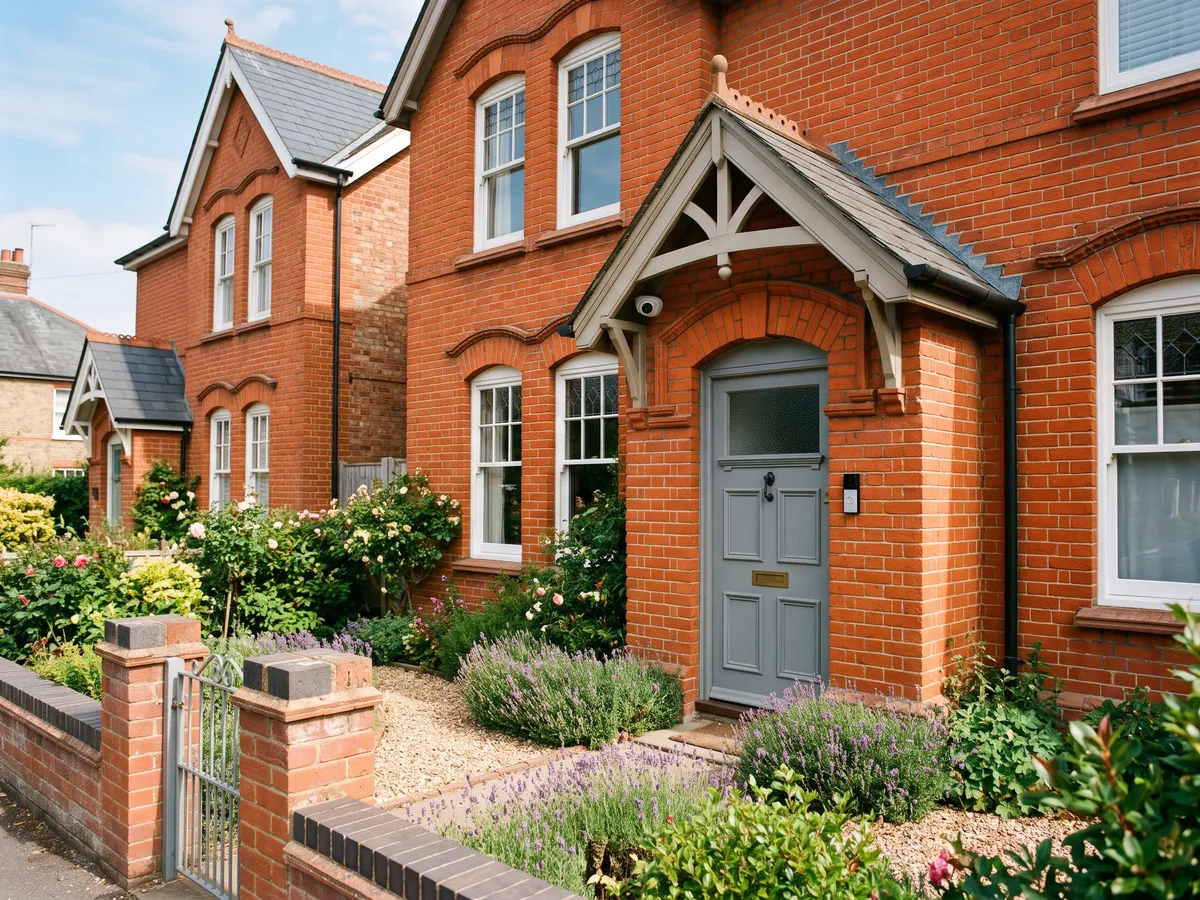
Home Security Systems.
A home security system is a set of parts that work together: an alarm (control panel, sensors and siren), cameras, a video doorbell and sometimes lighting. The alarm is the part that can bring a response, because police response under the national policy comes through monitored alarms, while cameras and doorbells record what happens. Here is what each part does, what the price guides say it costs and how to decide what your home needs.
Takes about two minutes. Installers pay us, so it is free for you.
- Average home security job
- £500MyJobQuote guide figure, 18 September 2026
- Average new burglar alarm
- £450MyJobQuote guide figure, 5 November 2026
- Average CCTV installation
- £700MyJobQuote guide figure, 10 September 2026
- Usual grade for a monitored home alarm
- Grade 2BIBA guidance for purchasers
Sources: MyJobQuote, home security cost, page updated 18 September 2026; MyJobQuote, burglar alarm cost, updated 5 November 2026; MyJobQuote, CCTV installation cost, updated 10 September 2026; BIBA, intruder alarms: guidance for purchasers. Prices are the guides' own figures, not Switchable's.
In short
- An alarm and cameras do different jobs. An alarm detects and signals; cameras and a video doorbell record and let you look. Only a monitored alarm can bring a police response.
- Price guides put the average home security job at about £500, an alarm at £450 and CCTV at £700. Each guide's figure is its own and none is a quote.
- Lower-risk homes with neighbours next door often manage with an unmonitored alarm, on BIBA's guidance. Higher-risk homes with valuables are the ones monitoring is typically used for.
- DIY kits are cheaper, but the police advice behind the national alarm policy does not recommend them where you want police response.
- Tell your home insurer before you buy, and compare at least two written quotes.
On this page (10)
What Is In A Home Security System?
There is no single product called a home security system. Installers put together some or all of four things, and a system can be as small as one alarm or as large as an alarm, cameras and a video doorbell linked to a phone app.
Alarm
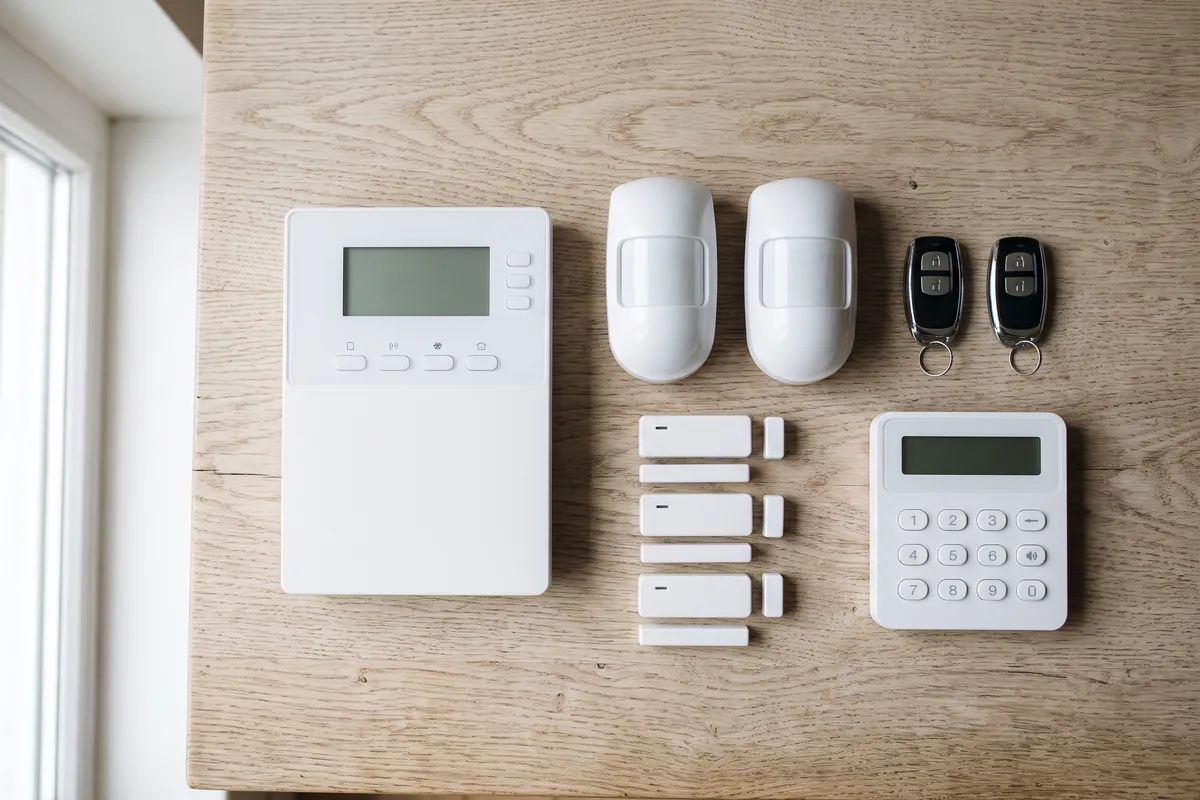
A control panel, a keypad, door and motion sensors and a siren. When a sensor trips, the siren sounds, and on a monitored system a signal goes to a staffed centre.
Cameras
Fixed cameras record to a recorder or the cloud. They show what happened and can alert your phone, but they are not an alarm.
Video doorbell
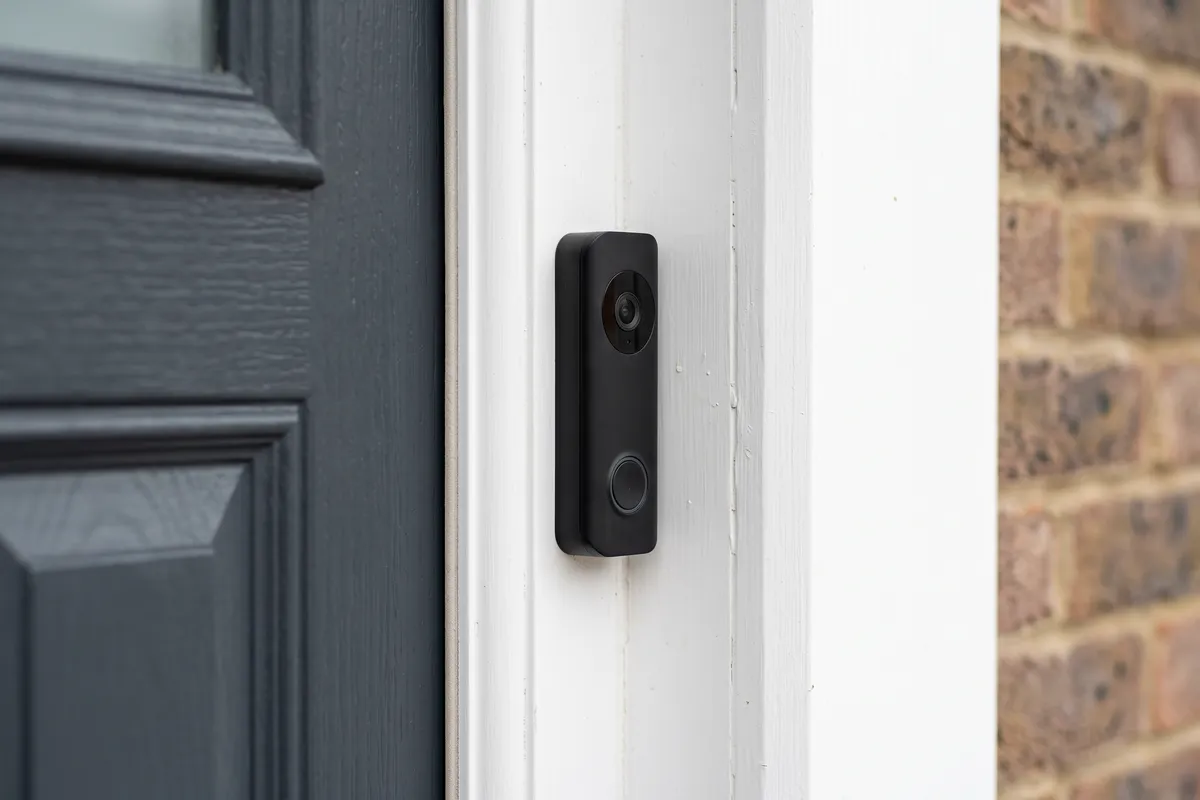
A camera and button at the front door that shows who is there on your phone and can record visitors.
Some homes add security lighting too. MyJobQuote gives about £300 for installing a security light on its home security guide and £250 to £350 on its alarm guide. Our guides to burglar alarm cost and CCTV installation cost go into each part in detail.
A burglar alarm is the core of most home alarm systems, and BIBA says an intruder alarm is widely recognised by insurers if it meets some basic criteria. Add a security camera for the drive or back garden and a video doorbell for the front door and you have the layers most households mean by smart home security. The extra layers give peace of mind, but they also add subscriptions and phone alerts to manage, so start with what you want to know when you are out: that someone has been told, or that you can see who is there.
What Does Each Part Do, And What Does It Cost?
The table sets out what each part is for, whether it can bring a police response and what the named guides say it costs. A video doorbell is left unpriced because the guides we read give no figure for one.
| Part | What it does | Police response? | Guide price, fitted |
|---|---|---|---|
| Bells-only alarm | Sounds a siren when a sensor trips | Only if someone nearby calls and reports a crime in progress | £125 to £300 (MyJobQuote, 5 Nov 2026) |
| Monitored alarm | Sends a signal to a staffed centre that contacts keyholders and, if needed, the police | Yes, if the system meets the national requirements and holds a police reference number | £680 to £1,140 plus monitoring (MyBuilder, read 26 Nov 2026) |
| CCTV, four cameras | Records footage and can show a live view | Not by itself | Wireless £450 plus VAT, wired £800 plus VAT (Checkatrade, Nov 2026) |
| Video doorbell | Shows and records visitors at the door | Not by itself | No figure in the guides we read |
| Security light | Lights an area when it senses movement | Not by itself | About £300 (MyJobQuote, 18 Sep 2026) |
Source: MyJobQuote, burglar alarm cost; MyBuilder, burglar alarm installation cost; Checkatrade, CCTV installation cost; MyJobQuote, home security cost. Guide figures, not Switchable's. Police response: Police Crime Prevention Initiatives, choosing an alarm.
MyJobQuote's guide puts an overall average at about £500 for a home security job, with a typical range of £165 to £500. That mixes small jobs with full systems, so a quote for your own home will be more useful than the average.
How Do Smart And Professionally Monitored Alarm Systems Differ?
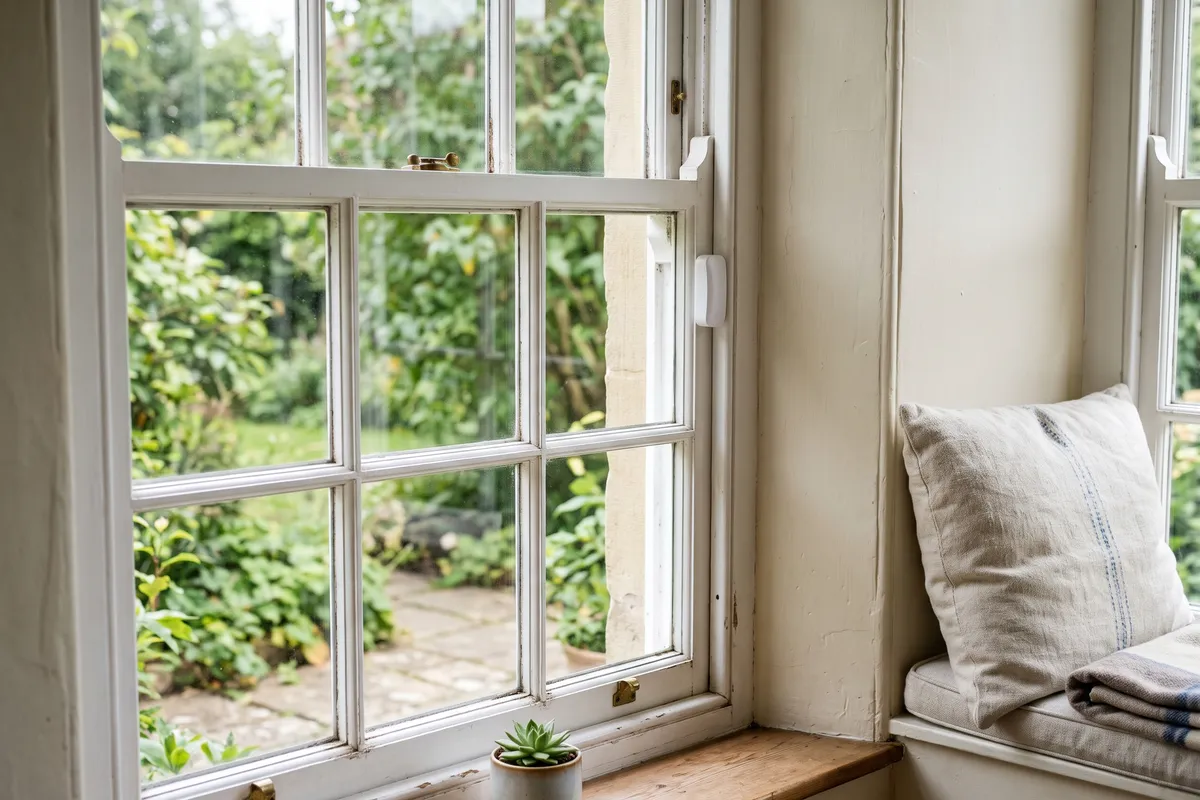
A home alarm system is built from door and window sensors, a motion detector or two, a keypad or control panel and a siren, and an installer places them to cover the vulnerable entry points: the front and back doors and any ground-floor windows. Wireless components send their signals by radio and wired systems use cable. Smart alarm systems add an app, so you can receive alerts on your mobile phone and arm the alarm remotely, and some link to other smart home devices such as lights or smart plugs. A battery backup keeps the control panel working in a power outage, and a dual path system can signal over a mobile network if your internet connection fails.
Self-monitoring sends alerts to you and your emergency contacts, while professional monitoring means a staffed monitoring centre responds. MyJobQuote's guide puts app self-monitoring at under £5 a month and professional monitoring at £15 to £25. A security camera adds a picture of what triggered an alert, and indoor and outdoor cameras can sit alongside the alarm, though a camera on its own is not an intruder alarm. BIBA says an inspectorate-listed alarm company has to carry out a formal security risk assessment as part of the system design, which is the security consultation to ask for before you choose between systems.
Which Parts Does My Home Need?
Start with what you want the system to do. If you want someone to be alerted and, ideally, the police to attend, you need a monitored alarm. If you mainly want to see who is at the door or to have footage after an event, cameras and a doorbell do that. Many homes end up with both.
The insurance brokers' body BIBA, working with the insurers' research body RISCAuthority, says unmonitored alarms are typically used at lower-risk homes, those without significant amounts of contents or valuables and with other homes adjacent. It says monitored systems are typically used at business premises and at higher-risk homes with significant contents or valuables.
The grade also matters. BIBA says the grades most often required are grade 2 and grade 3, that insurers regard grade 2E as suitable for lower-risk homes, grade 2 for higher-risk homes and grade 3 for high-risk homes, and that insurers disregard grade 1. Ask which grade any quote is to, and check it against what your insurer expects.
Should You Fit A Home Security System Yourself?
You can buy a self-install kit, and for a flat or a small home that is a reasonable way to start. The police's alarm advice site is more cautious where police response is the aim. It says the national policing body does not recommend DIY systems because they may not suit your property's risks, and installation, maintenance and reliability problems may only surface after a burglary.
For a monitored system with police response, the route is narrower. BIBA says the system must meet the standards PD 6662 and BS 8243, and that the installing company and the monitoring centre must both be listed by an inspectorate, the NSI or the SSAIB, for the police to issue a reference number. That is work for an approved installer rather than a kit from a shop.
How Much Does A Home Security System Cost?
There is no single price, because the parts differ so much. Using the guides' own figures, a bells-only alarm is £125 to £300 on MyJobQuote's guide and £200 to £500 on MyBuilder's, a monitored alarm £680 to £1,140 on MyBuilder's, and a four-camera system £450 to £800 plus VAT on Checkatrade's. Monitoring adds a monthly fee: MyJobQuote gives £15 to £25 for staffed monitoring and £25 to £40 with police response.
The cheapest way to learn what your home costs is two or three written quotes for the same list of parts. Compare them line by line, including who fits, what the warranty covers and the length of any monitoring contract.
What Should You Check Before You Buy?
The police's public advice on choosing a security company, Appendix H of the National Police Chiefs' Council policy (February 2026), is a good checklist whether you are buying an alarm, cameras or both.
- The company. Check its address and credentials, and ask the inspectorates, the NSI or SSAIB, for approved firms. The police cannot give you that list.
- Two quotes. Get written quotations from at least two approved companies.
- The standard. Make sure each quote names the current British or European standard and the terms of any maintenance and monitoring contract.
- Short contracts. The advice is to avoid long-term monitoring contracts and pay no more than a year in advance.
- Cold callers. It advises against dealing with doorstep or telephone sellers.
Tell your home insurer before you buy. BIBA says to check with them first, because some insurers apply alarm conditions about who fits and maintains the system.
The Bottom Line
Decide what you want first. An alarm detects and, if monitored, calls for help; cameras and a doorbell record. Lower-risk homes with neighbours often manage with an unmonitored alarm, while a home with valuables is more likely to want a monitored one that meets the police requirements.
Price guides put a home security job at about £500 on average, but your own quote will vary with the parts. Get at least two written quotes, tell your insurer and keep any monitoring contract short.
Compare home security quotesSources
- BIBA, intruder alarms: guidance for purchasers
- NPCC, Appendix H: police advice to members of the public seeking information on security companies
- Police Crime Prevention Initiatives, choosing an alarm
- MyJobQuote, home security cost
- MyJobQuote, burglar alarm cost
- MyJobQuote, CCTV installation cost
- MyBuilder, burglar alarm installation cost
- Checkatrade, CCTV installation cost
Checked 26 November 2026.
How To Compare Quotes
Get at least three quotes and compare them line by line. Prices for the same job can differ a lot.
- A visit first. A good installer surveys the home before quoting, so the number of sensors or cameras and where they go are decided on site.
- The same list of parts on every quote: sensors, panel, siren, cameras, recorder, cabling and setup, each on its own line, with VAT shown.
- The standard and the contract. Ask which standard and grade the system meets, who monitors it, and how long any monitoring contract runs.
How Switchable works
 Check. Tell us your postcode and a few details about your home. It takes about two minutes.
 Compare. Local installers who cover your area get in touch with quotes.
 Switch. Go ahead with the quote that suits you, or none at all. There is no obligation.
Switchable is free to use. Installers pay us for each introduction.
More On Home Security
- Home security guideCosts, savings and grants in one place
- Burglar Alarm CostInstalled prices by type, monitoring fees and what to ask in a quote
- CCTV Installation CostCost by number of cameras, wired against wireless, storage and the rules
- Monitored Alarm SystemsWhat monitoring does, what the police require, monthly costs and contracts
- Wireless Alarm SystemWireless against wired: cost, fitting time, batteries and what to ask
Home Security Systems: Your Questions.
What is a home security system?
A set of parts that work together to protect a home: an alarm with a control panel, sensors and a siren, cameras, a video doorbell and sometimes lighting. Installers combine them to suit the home.
What is the difference between an alarm and CCTV?
An alarm detects an intruder and sounds a siren or signals a monitoring centre. CCTV records and lets you look. Police response under the national policy comes through monitored alarms, not cameras alone.
How much does a home security system cost?
MyJobQuote's guide puts the average home security job at about £500, a new alarm at £450 and CCTV at £700. Your own cost depends on the parts and the size of your home, so get written quotes.
Do I need a monitored alarm?
Not always. BIBA says unmonitored alarms are typically used at lower-risk homes with other homes adjacent, and monitored systems at higher-risk homes with significant valuables. If you want a police response, you need a monitored system that meets the national requirements.
Can I install a home security system myself?
You can fit a basic kit. The police alarm advice site says the national policing body does not recommend DIY systems because they may not suit your property's risks and problems can surface only after a burglary, and a monitored system with police response needs an approved installer.
Will a security system lower my home insurance?
It may, but we cannot promise it. BIBA says an alarm that meets an insurer's criteria may be recognised or earn a premium discount, so ask your insurer what it requires before you buy.
What is the difference between self-monitored and professionally monitored alarms?
A self-monitored alarm sends alerts to you and your emergency contacts through an app, and MyJobQuote puts it at under £5 a month. A professionally monitored alarm signals a staffed centre, at £15 to £25 a month on the same guide. Only a monitored system that meets the national requirements can bring a police response.
Does Switchable fit security systems?
No. Switchable compares quotes and introduces you to installers who cover your postcode. The installers fit the system and pay us for each introduction, so it costs you nothing.
Get Your Free Quotes Today.
Compare quotes from installers in your area. It takes about two minutes and there is no obligation.