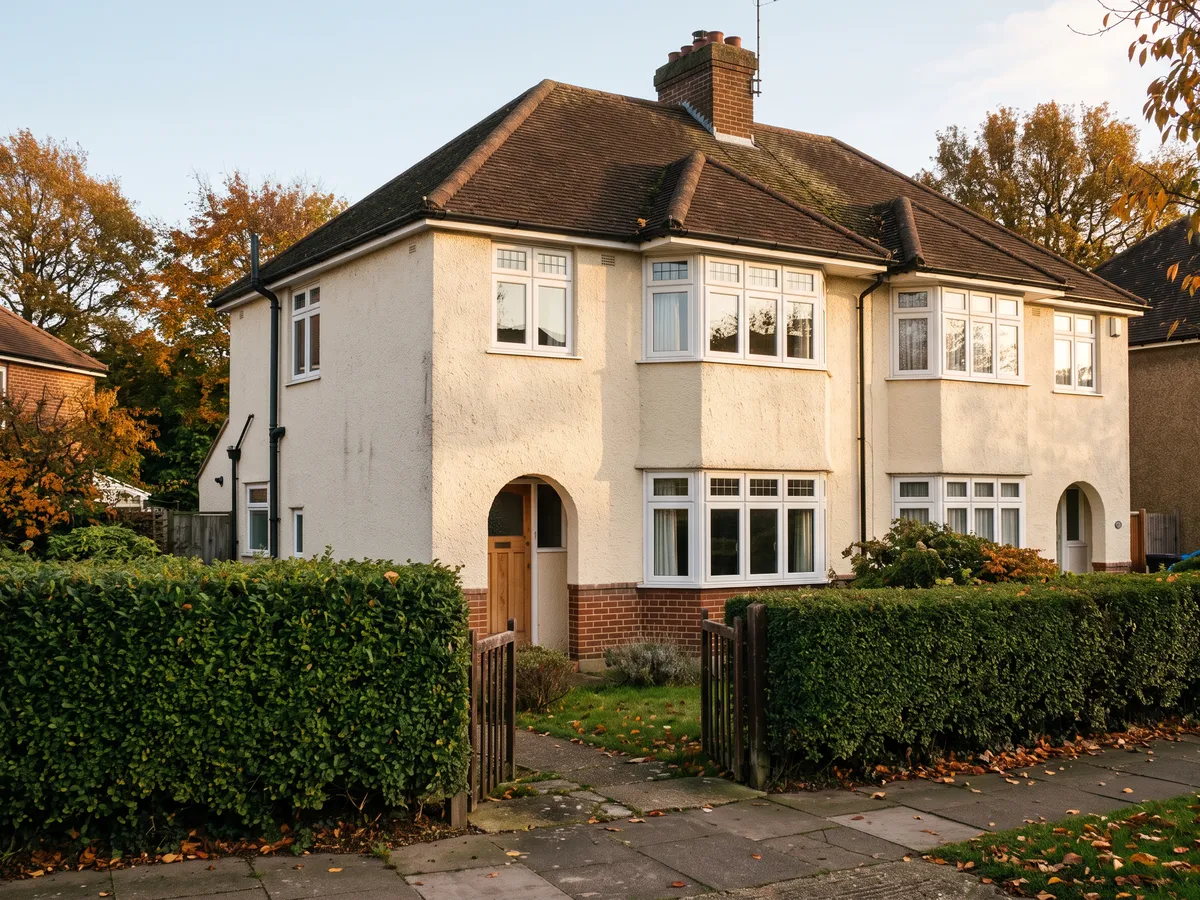
Casement Windows.
A uPVC casement is the cheapest fitted window style in MyJobQuote's guide, at £350 to £550 for about 900 x 1,200mm, against £500 to £700 for tilt and turn and £700 to £1,100 for sash. A flush casement sits level with the frame and suits period homes, but FMB says it may seal less tightly than the standard stormproof style. This guide is for homeowners choosing between casement, sash and tilt and turn windows, or between flush and stormproof casements: it shows what each costs, what the rules require and what to check before you compare quotes.
Takes about two minutes. Installers pay us, so it is free for you.
- uPVC casement, fitted
- £350 - £550MyJobQuote, Oct 2026
- uPVC casement
- £525 - £670FMB Home Picks, Jan 2026, fitting not stated
- Timber casement, fitted
- £750 - £1,100MyJobQuote, Oct 2026
- Height casements generally suit up to
- 170 cmFMB Home Picks, Jan 2026
Sources: MyJobQuote, new windows cost guide, last updated 20 October 2026; FMB Home Picks, casement windows, updated 14 January 2026. The prices are guide figures, not Switchable's, and the two guides disagree on whether fitting is included.
In short
- A casement is hinged on one side, top or bottom and swings outward in most designs. MyJobQuote calls it the UK's most common and generally most affordable style.
- Flush casements sit level within the frame and suit period homes. Standard (stormproof) casements overlap the frame, which FMB says seals better against the weather and is more common in uPVC.
- Fitted uPVC prices, about 900 x 1,200mm at MyJobQuote (Oct 2026): casement £350 to £550, tilt and turn £500 to £700, sash £700 to £1,100. See all three in one table.
- None of the guides we could read gives a flush casement price. ExpertSure (Nov 2026) says flush costs more than stormproof in timber, so ask each installer to price both.
- Casements are generally not suitable for openings more than 170cm high (FMB), and need clear space outside to swing into.
On this page (9)
Standard (Stormproof) Against Flush Casement Windows
Two designs share the name. A side hung casement is hinged at one edge, while a top hung one opens from the top. In a standard casement, also called stormproof or rebated, the opening sash overlaps the frame slightly when closed. In a flush casement, the sash sits flat within the frame so the front is level. The difference shows from the street and affects how well the window seals.
| Point | Standard (stormproof) | Flush |
|---|---|---|
| How it closes | FMB (Jan 2026): overlaps the frame slightly when closed. Self Build (2018, older): sits proud of the frame | FMB (Jan 2026): sits flush within the frame when closed |
| Weather seal | FMB: seals better against weather; Self Build (2018, older): extra protection against draughts and water | FMB: may not seal as tightly |
| Where it is used | FMB: more common in uPVC. Self Build (2018, older): standard for casements since the 1960s | FMB: suits period properties and conservation areas. Self Build (2018, older): traditional, for older pre-war homes |
| Price | MyJobQuote (Oct 2026): £350 to £550 in uPVC, fitted | None of the guides we could read gives a flush figure. ExpertSure (Nov 2026): flush costs more than stormproof in timber |
Source: FMB Home Picks, casement windows, 14 January 2026; Self Build, guide to casement windows, 5 July 2018 (older, but it says the choice now mostly comes down to preference because high-performance products come in either); ExpertSure, timber windows, prices verified November 2026; MyJobQuote, new windows cost guide, 20 October 2026; read 26 November 2026.
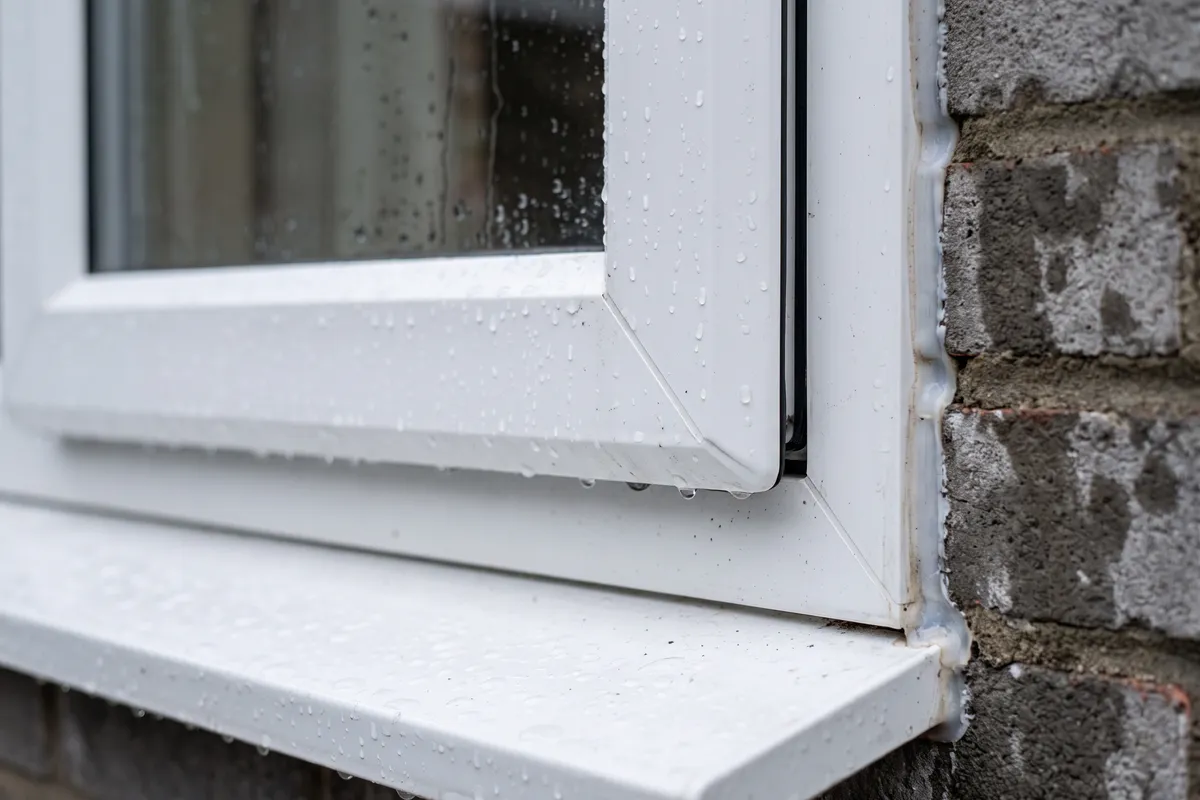
Because the guides do not give a flush price, ask every installer to quote both styles for the same window. Where the home is in a conservation area, ask the council which it wants before choosing.
Casement Window Materials And Styles
Casements come in uPVC, aluminium, timber and composite. The price gap between them is wider than between styles, and the two guides we can read disagree on the totals, so the table keeps them apart.
| Material | MyJobQuote, Oct 2026, fitted, about 900 x 1,200mm | FMB Home Picks, Jan 2026, fitting not stated |
|---|---|---|
| uPVC | £350 to £550 | £525 to £670 |
| Aluminium | £600 to £850 | £700 to £870 |
| Timber | £750 to £1,100 | £1,630 to £1,975 |
Source: MyJobQuote, new windows cost guide, 20 October 2026; FMB Home Picks, casement windows, 14 January 2026; read 26 November 2026. Each is the guide's own figure, not Switchable's, and none are averaged.
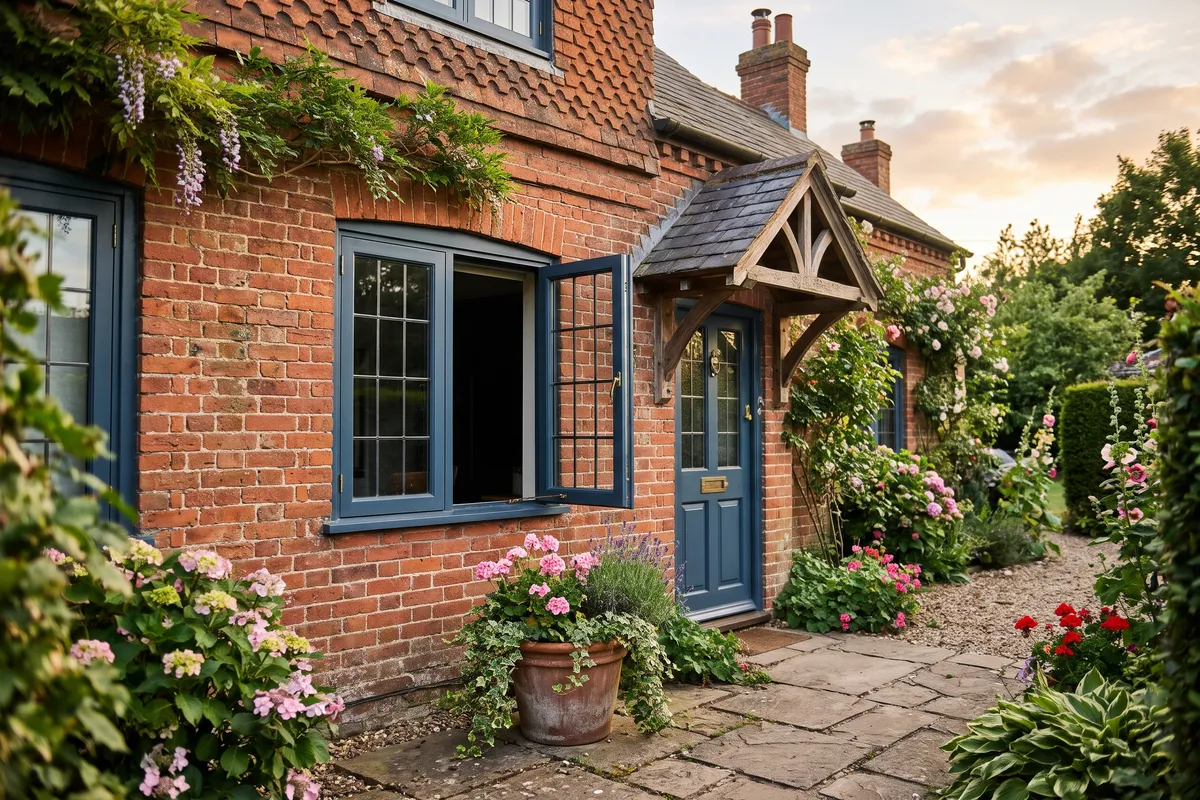
FMB lists single, double (French), push-out and swing-in casements, and Self Build adds top-hung types for ventilation on upper floors and hopper-hung ones where the opening is restricted, as in bathrooms. Self Build also says leaded and steel versions suit older homes. Homebuilding & Renovating (23 April 2025, older) gives about £650 for a 1,200 x 915mm uPVC casement, with fitting not stated. MyJobQuote says oversized or bespoke designs can cost up to 50% more than standard ones.
Maintenance and energy efficiency follow the material. FMB says uPVC is the most cost-effective choice, with good insulation and low maintenance: an occasional wash with soapy water and a regular look at the seals. Aluminium windows are durable with a slim profile, but FMB says they are less energy efficient unless fitted with a thermal break, and homes near the coast should watch for corrosion. Timber windows have strong thermal properties and a long life, but needs regular painting or staining to stop rot and warping. Whatever the frame, FMB suggests lubricating the hinges and moving parts once a year.
Glazing is a separate choice from the frame. FMB puts triple glazing at 10 to 20% more than double glazing and suggests it mainly for very cold areas or high energy bills, so ask each installer to price double and triple glazing for the same casement.
Source: Homebuilding & Renovating, new window costs, 23 April 2025; FMB Home Picks, casement windows; Self Build, guide to casement windows, 5 July 2018; MyJobQuote, new windows cost guide.
Casement Against Sash And Tilt And Turn
The three main opening styles suit different homes. The table puts them side by side on the points a buyer actually compares. For the detail on each, see our guides to sash windows and tilt and turn windows.
| Casement | Sash | Tilt and turn | |
|---|---|---|---|
| How it opens | Hinged at the side, top or bottom, swinging outward in most designs | Two sashes slide vertically | Tilts inward at the top, or swings fully inward on a side hinge |
| uPVC fitted, MyJobQuote Oct 2026 | £350 to £550 | £700 to £1,100 | £500 to £700 |
| Aluminium fitted, MyJobQuote Oct 2026 | £600 to £850 | £1,100 to £1,400 | £750 to £1,000 |
| Timber fitted, MyJobQuote Oct 2026 | £750 to £1,100 | £1,500 to £2,000 | £900 to £1,200 |
| uPVC, FMB Jan 2026, fitting not stated | £525 to £670 | £805 to £915 (600 x 900 to 900 x 1,200mm) | £670 to £835 |
| Dearer than a casement, Homebuilding Apr 2025 (older) | Baseline | About 50% more | About 25% more |
| Ventilation | FMB: full opening | Opens about half its height by design | FMB: tilt lets air in during rain; or full opening |
| Needs space | Clear space outside, and FMB says it is exposed to wind and rain when open | None outside or in | Space inside for the swing |
| Period homes and conservation areas | Flush casements suit them (FMB) | Often the original style: see our sash guide | The guides we read do not say |
Source: MyJobQuote, new windows cost guide, 20 October 2026 (white uPVC and the other materials as the guide labels them, double glazed); FMB Home Picks, casement windows, sash windows and tilt and turn windows, January 2026; Homebuilding & Renovating, new window costs, 23 April 2025; read 26 November 2026. Each is the guide's own figure, and none are averaged.
What Casement Windows Cost For A Whole House
The per-window prices add up quickly. At MyJobQuote's uPVC rates for an eight-window house, all casements come to £2,800 to £4,400, which is 8 x £350 to £550. The same house in tilt and turn is £4,000 to £5,600, and in sash £5,600 to £8,800. Those totals are our arithmetic from the table above, and exclude scaffolding and extras.
Source: MyJobQuote, new windows cost guide, last updated 20 October 2026, white uPVC, about 900 x 1,200mm, fitted, double glazed.
For comparison, MyJobQuote's own average for a 3-bed house is £3,750, which is inside the eight-window casement range above. Mixing styles is the usual way to keep the total down: casements for most windows, and a tilt and turn or a sash only where the room or the street calls for it.
Casement Window Rules To Check: Escape, Planning And Certificates
A casement is usually an easy style to meet the escape rule with, but the stay or restrictor limits how far it opens, so check the gap. Approved Document B sets the test for a bedroom escape window: at least 0.33m² unobstructed, at least 450mm high and wide, with the bottom no more than 1,100mm above the floor, and able to stay open without being held. Opening stays with child-resistant release catches are allowed. A replacement window should give at least the same potential for escape as the one it replaces.
| Rule | What it says | Source |
|---|---|---|
| Planning permission | Usually not needed for new windows of similar appearance to the originals. Leaseholders may need landlord permission | Planning Portal |
| Conservation area or Article 4 direction | Extra restrictions may apply, and a council may withdraw the usual rights. Ask the council. The sash guide covers listed buildings in more detail | Planning Portal |
| Energy standard | U-value 1.4 W/m²K or Window Energy Rating Band B minimum. The 2026 edition, which takes effect on 24 March 2027, repeats it | Approved Document L, Table 4.2 |
| Certificate | Use an installer registered with a competent person scheme, or building control | Planning Portal |
Source: Planning Portal, planning permission for doors and windows and building regulations for doors and windows, undated; Approved Document B, Volume 1, paragraphs 2.10, 2.19 and 3.6; Approved Document L, Volume 1, 2021 edition incorporating 2023 amendments; read 26 November 2026.
Drawbacks And What To Check In A Casement Quote
FMB lists the strengths as excellent ventilation, a tight seal when closed, fewer frames and mullions, and good security because a closed window cannot be opened from outside. Its weaknesses are the 170cm height limit, the clear space needed outside, and exposure to wind and rain when open outward.
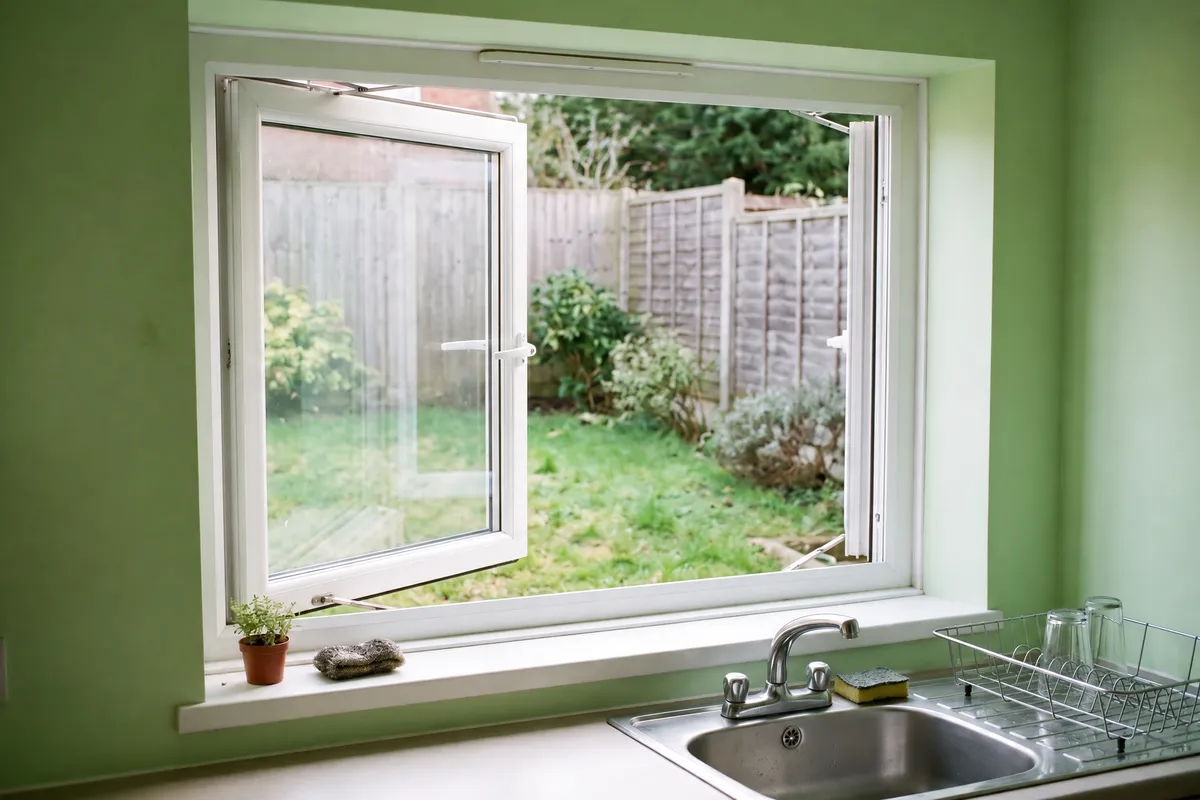
A closed casement seals tightly against its frame, which FMB says cuts air leakage and so heat loss through gaps. It also cannot be opened from outside, and the latch or crank handle opposite the hinges doubles as the lock, so check that handle is robust. Outward-opening types take wind and rain when open. FMB lists worn seals, poor installation, warped wooden frames, faulty hardware and blocked drainage holes in uPVC frames as the usual causes of leaks, which is why professional installation and a certificate on completion matter.
Flush or stormproof
Ask for both priced for the same window, and which the council wants in a conservation area.
Hinges and stays
What holds the sash open, whether it is child-resistant, and whether the opening still meets 450mm and 0.33m² in a bedroom.
Size
FMB says casements generally do not suit openings more than 170cm high. For tall openings ask the installer how they would divide the window.
Rating and certificate
The Window Energy Rating label for the exact window and the FENSA or CERTASS certificate on completion.
Switchable is independent of any window maker or installer and is not paid by one for this page. Some installers we introduce customers to may also fit these windows. Read more on how we write our pages.
The Bottom Line
For most homes the standard uPVC casement is the sensible default: MyJobQuote (Oct 2026) prices it at £350 to £550 fitted, the cheapest of the three main styles, against £500 to £700 for tilt and turn and £700 to £1,100 for sash. Go flush if the home is older or the council asks for it, but ask for it priced separately, because no guide we could read gives a flush figure.
Use a different style only where the room calls for it: tilt and turn for upper floors you clean from inside, sash for homes where the street expects one. Compare quotes for the same material, the same hardware and the same energy rating, and confirm the opening of any bedroom window.
Compare window and door quotesSources
- Planning Portal, building regulations for doors and windows
- GOV.UK, Approved Document B, fire safety, page updated 16 September 2026
Checked 26 November 2026.
How To Compare Quotes
Get at least three quotes and compare them line by line. Prices for the same job can differ a lot.
- A price for each window and door. One total hides where the money goes, so ask for every window and door on its own line.
- The same specification on every quote: frame material, glass, energy rating, and whether the old frames are removed and made good.
- A competent person scheme certificate. Ask whether the installer is registered with Fensa, Certass or another scheme and will certify the work, and whether the 20% VAT is in the price.
How Switchable works
 Check. Tell us your postcode and a few details about your home. It takes about two minutes.
 Compare. Local installers who cover your area get in touch with quotes.
 Switch. Go ahead with the quote that suits you, or none at all. There is no obligation.
Switchable is free to use. Installers pay us for each introduction.
More On Windows And Doors
- Windows and doors guideCosts, savings and grants in one place
- Sash WindowsRepair, secondary glazing or replacement, with rules and prices
- Tilt And Turn WindowsHow they work, where they suit, escape rules and cost against casement
- New Windows CostPer-window prices by material, from named guides
- uPVC vs Aluminium WindowsuPVC or aluminium windows: frames, energy rating, lifespan and price
Casement Windows: Your Questions.
What is a casement window?
A window hinged on one side, or at the top or bottom, that swings open on a frame. MyJobQuote calls it the UK's most common and generally most affordable window style.
What is the difference between a flush casement and a standard casement?
A standard (stormproof) casement overlaps its frame when closed, while a flush casement sits level within it. FMB says stormproof seals better against weather, and flush suits period homes but may seal less tightly.
How much do casement windows cost?
MyJobQuote (October 2026) gives £350 to £550 for a fitted white uPVC casement of about 900 x 1,200mm, and £750 to £1,100 for timber. FMB Home Picks (January 2026) gives £525 to £670 for uPVC and £1,630 to £1,975 for timber, without saying whether fitting is included.
Are flush casement windows more expensive?
ExpertSure (November 2026) says flush casements cost more than stormproof in timber, but gives no figure. We could not find a readable guide with a flush price, so ask each installer to price both.
Are casement windows cheaper than sash or tilt and turn?
Yes in MyJobQuote's guide: £350 to £550 for a uPVC casement against £500 to £700 for tilt and turn and £700 to £1,100 for sash. FMB Home Picks shows the same order for uPVC.
Can a casement window be used as an escape window?
Yes, if the opening is at least 0.33m², at least 450mm high and wide, and no more than 1,100mm above the floor (Approved Document B). The stay must hold it open without being held, and child-resistant stays are allowed.
Do casement windows need planning permission?
The Planning Portal says new windows of a similar appearance to the originals do not usually need planning permission. A conservation area, an Article 4 direction or a listed building changes that, so ask your council first.
How tall can a casement window be?
FMB says casements are generally not suitable for openings larger than 170cm high. Taller openings usually use a different style or a combination of lights, so ask the installer.
Are casement windows energy efficient?
FMB says a casement seals tightly against its frame when closed, which reduces air leakage, though a flush casement may seal less well than a stormproof one. Aluminium frames are less energy efficient unless they have a thermal break, so compare the Window Energy Rating of the exact window.
Do casement windows need much maintenance?
uPVC needs little: FMB suggests an occasional wash with soapy water and regular checks of the seals. Timber needs regular painting or staining, and aluminium needs periodic cleaning and a corrosion check near the coast. For every material, FMB suggests lubricating hinges and moving parts once a year.
Are casement windows secure?
FMB lists security as a strength, because a closed casement cannot be opened from outside. The handle opposite the hinges acts as the lock, so ask what locking hardware is included in the quote.
Should casement windows be double or triple glazed?
Most homes use double glazing. FMB says triple glazing costs 10 to 20% more and is suggested mainly for very cold areas or very high energy bills, so ask for both priced on the same window.
How much does it cost to repair a casement window?
FMB gives £10 to £50 for hinges or a crank mechanism, £50 to £100 for new seals plus labour, and £20 to £100 for handle or lock parts, while a full unit replacement can cost £500 or more. Wood frame repairs run from about £100 for simple DIY work to over £1,000 for professional restoration.
Get Your Free Quotes Today.
Compare quotes from installers in your area. It takes about two minutes and there is no obligation.