Advice · Guide
How To Insulate A Single Brick Wall
Insulate a solid brick wall from the inside or the outside. Which one suits depends on cost, space and how the house looks.
- Internal, typical
- £12,000
- External, typical
- £15,000
- Heat lost via walls
- 33%
Source: Energy Saving Trust solid wall insulation page (updated 18 June 2026), checked November 2026. Costs are for a typical three-bedroom semi-detached house in Great Britain.
On this page
The short version
A single brick wall is a solid wall, so it cannot be filled like a cavity; it is insulated on the inside or the outside. Internal insulation is usually the cheaper route and keeps the brick on show, but it takes a little room space. External insulation covers the outside of the house and means more work. A local installer can advise which suits your wall.
When it comes to insulating a single brick wall, adding adequate insulation to your home may appear challenging, but having the proper insulation ensures you save money on your energy bills while also making your house more comfortable.
If your house was built before the 1920s, the exterior walls are more than likely to be solid rather than hollow.
- Because solid walls have no gaps, cavity wall insulation cannot be used to fill them.
- Cavity walls are two layers separated by a tiny gap or ‘cavity.’
On the other hand, solid walls can be insulated both outside and inside. This will cost more than ordinary cavity wall insulation, but the savings you can make on your energy bills will be more significant.
Insulation’s objective is to slow the loss of heat between the occupied space within your home and the environment outside. On an old solid wall, use breathable (vapour-open) materials, and have the wall surveyed for damp before you insulate, so moisture is not trapped in the brickwork.
Internal wall insulation is more prevalent in homes since it is less expensive. However, it would help if you considered the style you want to accomplish with your property. For example, external wall insulation is fine if you don’t mind covering the exterior.
On the other hand, if you have a brick home, it is preferable to use internal wall insulation to avoid covering anything up.
Insulation for Internal Walls
Internal wall insulation adds insulation materials to the inner walls of your home. Homeowners should keep in mind that they only need to insulate the walls of their homes that do not meet their neighbours’ walls.
For example, a mid-terraced house would require considerably less internal insulation than a detached house since the connecting walls between the properties would not need insulation.
It’s also relatively simple to insulate your home’s internal walls. Internal wall insulation requires access to one wall at a time, eliminating the need to disrupt your home, so you don’t need to sacrifice your normal home life during the insulation process.
Decorating is a convenient time to do it, but internal wall insulation can also be added to an existing wall, with boards or a stud wall fixed to it and then re-plastered.
Problems with Internal Wall Insulation
- The most prevalent complaint from homeowners is the loss of space caused by adding insulation to internal walls. Smaller properties may feel like they are losing the precious space they paid for when they were purchased.
- This is especially aggravating in tiny, pricey homes like those that moved into central London.
- Regardless of what you do, if you commit to internal wall insulation, you must accept the loss of space.
- Unlike external insulation, there is a limit to how much insulation you can put within.
- Finally, there is the problem of when you may install your insulation. Insulation can be added to an existing wall, but the boards or stud wall are fixed to it and the wall then has to be re-plastered, so it is easiest to combine with redecorating.
The Advantages of Internal Wall Insulation
Let us now consider the advantages rather than the disadvantages.
Internal wall insulation will allow you to maintain the general appearance of your property while not concealing any of its characteristics. Sure, you’ll lose a few millimetres in each room, but this is the ideal insulation for houses with outer walls made of brick, stone, slate, or other materials.
Furthermore, internal wall insulation is less expensive than external wall insulation. It’s also handier because it can be done while decorating, ensuring you have a warm house. Finally, energy savings are a significant advantage of this sort of insulation.
Insulation for External Walls
Externally insulated walls require the addition of insulation boards to the walls from the outside of your home.
PIR boards are typically used to complete external wall insulation. This insulation also helps keep your energy expenses low, but it does hide your home’s outside walls. Again, depending on the look you’re striving for, this could be a plus or minus.
For a typical three-bedroom semi in Great Britain, the Energy Saving Trust puts external wall insulation at about £15,000 and internal wall insulation at about £12,000, but we’re not here to talk about insulating all of your walls, just one.
Source: Energy Saving Trust solid wall insulation page (updated 18 June 2026), checked November 2026.
External insulation on a single skin wall may not appear to make much of a difference, but the effects of external insulation can be quite helpful.
Consider this: Internal wall insulation adds a layer of insulation between your home’s outer and inner walls, whereas external wall insulation essentially creates a barrier between your home’s exterior walls and the environment.
You’re probably asking yourself how can I insulate single brick walls. The following section will give you a guide on how to do this.
Adding Insulation to a Single Brick Wall
Before starting any work, you should inspect the current condition of the wall. Preparation is key, and you will need to check the wall for any damage and rectify it as necessary, for example, removing any old plaster if it is damaged.
Remove everything attached to the insulated walls - sockets, light switches, curtain rails, radiators, pipes, skirtings, cabinets, kitchen cabinets, fitted wardrobes, and so on.
There are three main methods for installing interior wall insulation, and the process is similar for all three:
Option 1: Attach Insulation to the Wall Directly.
The first installation method involves attaching the insulation directly to the wall. Insulation attached to the plasterboard and a vapour barrier is available from brands like Kingspan and Celotex.
This procedure can be straightforward if the wall is flat and in good condition. Boards can be installed directly to the wall using a special adhesive. In some cases, screws may be required for extra security. To maintain the vapour barrier’s continuity, any gaps visible between boards at the ceiling and floor need to be filled with mastic and then taped over before you start plaster skimming.
Option 2: Wall Battening
Battening on the wall is the second option. There are two approaches to this:
- Attaching battens to the wall
- Or the ‘warm batten’ approach involving the fastening of battens over the insulation
The first way is the most frequent and sometimes the best alternative when the wall is severely uneven. On the other hand, the insulation will be firm and screwed to the battens, resulting in perforations in the vapour barrier.
Although the warm batten approach is less frequent, it does have certain distinct advantages. A semi-rigid wool batt can be placed against the wall with spaced battens fixed on top by screws which are knocked through the insulation and the wall.
Rigid insulation boards or semi-rigid insulation can be put between the battens, followed by plasterboard. The warm batten method has the following advantages: the battens are kept warm by the insulation and thus less likely to rot; the battens are accessible directly below the plasterboard, allowing pictures to be hung more efficiently; and extra battens can be installed to enable heavier items, such as kitchen cabinets, to be refixed.
Option: 3 Build a New Stud Wall
Option three entails building a new stud wall, typically 100mm thick, inside the existing wall, with a 40mm cavity between the two. This choice requires more floor space than the others.
It is also more expensive. If the wall is old and solid, have it surveyed for damp first and use breathable materials, so moisture is not trapped.
Several insulation materials can give a decent, energy-saving result on a single brick wall, but on an old solid wall choose breathable ones.
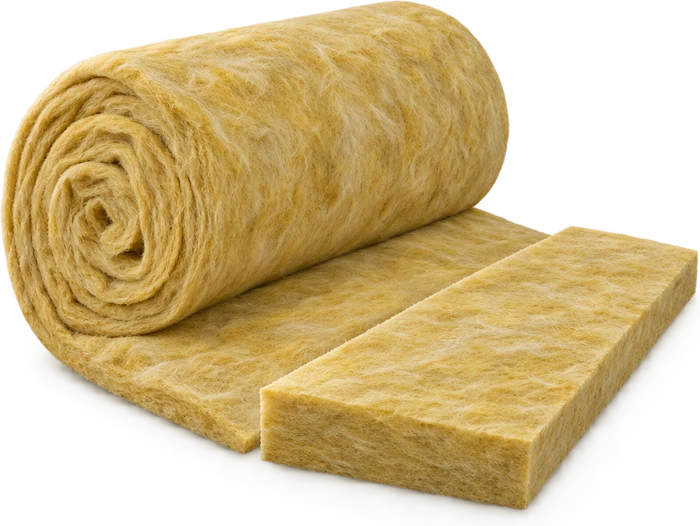
Internal wall insulation is more likely to be used on a single brick wall in a home with brickwork by putting the insulation between the brick and plasterboard layers of that wall. A stud wall and insulating roll or a similar product are required. You could also use insulated plasterboard!
This way, you won’t cover up your brickwork, and you’ll be able to insulate your property while decorating.
If you want to use exterior wall insulation, you’ll need to install a starting track and insulation boards outside your house where the single brick wall is. Because of the fasteners, reinforcing, and mesh required, external wall insulation requires significantly more effort.
How To Insulate A Single Brick Wall Summary
Ensuring that your home is adequately insulated from top to bottom is essential if you are looking to save money on your energy bills. Depending on your budget there are numerous options available to you if you are looking to insulate a single skin brick wall; all have advantages and disadvantages, it’s about finding the right solution for you and your home.
It is recommended that you speak to an insulation professional who can advise you on the best products available in your price range, and what insulation materials your home would be better suited to.
Pros and cons
Pros
- Cuts heat loss through walls that cavity fill cannot treat
- Internal insulation keeps your brickwork on show
- Internal work can be done one room at a time
- Can be done alongside redecorating
Cons
- Costs more than ordinary cavity wall insulation
- Internal insulation takes a little room space
- Walls need clearing and re-plastering first
- External insulation covers the outside of the house
Our verdict
Inside is usually simpler, outside suits some homes
If you want to keep your brickwork visible or are decorating anyway, internal insulation is the usual choice. External insulation suits homes where covering the outside is fine. Compare quotes from installers, and ask each how they will deal with damp.
Compare insulation quotes