Advice · Guide
Cheap insulation options - Ultimate Guide
On this page
With energy bills put household budgets under increasing strain, the need to make your home more energy efficient has never been more apparent. Insulation is one very obvious way in which you can instantly make savings which will very quickly pay for the costs of the insulation work.
The good news is there are plenty of energy-saving insulation measures that can be done at minimal expense and can be completed by those even with limited DIY skills. Here we look at why it makes sense to insulate many different aspects of your home, which sections to specifically target, and how to save the most money on your heating bills.
Poor insulation will cost you money
Poor insulation wastes approximately £1 in every £4 spent on heating in the UK. Despite being some of the smallest properties in Europe, homes in the UK are among the most expensive to heat.
Solving insulation issues means making your home warmer and more energy efficient, which can help you reduce heating costs. However, it is also a means to enhance the future resale value of your home as a better-insulated home can be more attractive to buyers.

Identifying Heat Loss Problem Areas in Your Home
Make use of the available resources to help you identify problem areas in your home that need to be addressed. The Energy Saving Trust is a useful resource to help you identify areas that would benefit from insulation measures.
Some local authorities and charities are also able to provide households with thermal imaging reports to determine where heat loss is occurring in the home. Armed with this information, you’ll be able to devise a better insulation plan to cut your heating expenditures and save money - all through cost-effective insulation measures.
Cheapest Insulation Options for Your Home
Draught-proof your home
One of the easiest and cheapest insulation options for your home is draught-proofing using draught excluders and other similar materials. Draught-proofing around windows and doors can cut heating bills, and the materials are inexpensive.
You can also focus on closing gaps around electrical fittings, the loft hatch, and ceiling-to-wall joins. Thermal curtains or resealing can also help to improve window insulation. However, while draught-proofing, avoid blocking necessary vents in windows and walls as this could cause issues with damp.
Insulate your pipes
Insulating exposed water supply pipes can be beneficial. Not only can insulating pipes (with a material with a high R-value) prevent them from freezing and then potentially bursting, it can also aid your energy efficiency by preventing heat escaping from the pipes into the surrounding cold air.
Pipe wrap insulation is a straightforward product for this purpose. It is easy to install and is perfect for short insulating lengths of pipe or portions with multiple bends.
Invest in a Smart Thermostat
Smart thermostats, which allow you to regulate the temperature in a room, are a cost-effective method to keep your home warm.
They are also beneficial because they can be connected to various modern devices via apps, allowing heating to be managed remotely and precisely. It is also easy to arrange heating timers this way, and consumers will save money by only having the heating on at a time when they specifically need it.
Use Thermal Curtains or Blinds
Another easy way to heat your home is to upgrade your curtains or blinds with thermal ones (or use thermal linings) that assist in keeping the heat in the room.
As the night falls, curtains and blinds should be drawn to help reduce heat loss. With so many curtain and blind options available, this kind of insulation is accessible to anybody and is one of the most straightforward methods to keep a house warm.
Install Carpet Underlay
This is a low-cost alternative for improving floor insulation. If you are moving into a new home or conducting extensive renovation work, another but more expensive option is to have thermal insulation built into the floor.
Plugging any draughty openings in the floor and buying rugs or floor mats will also assist in enhancing the heating situation in your home for minimal cost.
Rearrange your Furniture
Avoid putting furniture against radiators as this inhibits warm air from circulating and makes heating a house more inefficient. Moving furniture and other objects away from radiators helps improve heat flow so that hot air can circulate freely throughout the room, and your home will feel more comfortable as a result.
Long-term insulating solutions
We sometimes have to make a more significant investment in insulation products in order to save money long term. These solutions we are about to outline are typically more expensive, but you will save far more money on your heating expenditures, and you’ll notice the difference for sure when the colder months arrive.
Insulate Your Roof
On average, non-existent or poor roof insulation can result in around 25% heat loss from the home, but how you fix it depends on whether you have a flat roof, sloping roof, or dormer roof. Generally speaking, installing rock wool or another type of fibreglass insulation can reduce the heat your home loses through the roof.
To preserve heat inside your house and reduce your energy costs, you can overlay polyurethane or mineral wool on flat roofs, and polyurethane spray foams can be useful for pitched roofs. Fibreglass or wool insulation can be used in place of polyurethane spray foam insulation and can be easily cut to size. For effective insulation and enhanced thermal performance, make sure to avoid gaps or keep them to the absolute minimum.
Insulate Your Loft Area
Insulating your loft is in many cases pretty straightforward, and assuming there are no real issues with damp can usually be carried out yourself, if you are a competent DIYer. While you will need to pay for the supplies and tools required to insulate your loft, performing the labour yourself can save you money. You will most likely recoup your original investment in energy savings and heating bills in quick time.
There are several ways to insulate your loft, including:
- Blanket loft insulation - usually in the form of batts or loft rolls
- Loose-fill loft insulation - usually cellulose based and made from recycled materials
- Board/sheet loft insulation - such as PIR insulation boards
- Spray foam insulation - usually requires professional installation
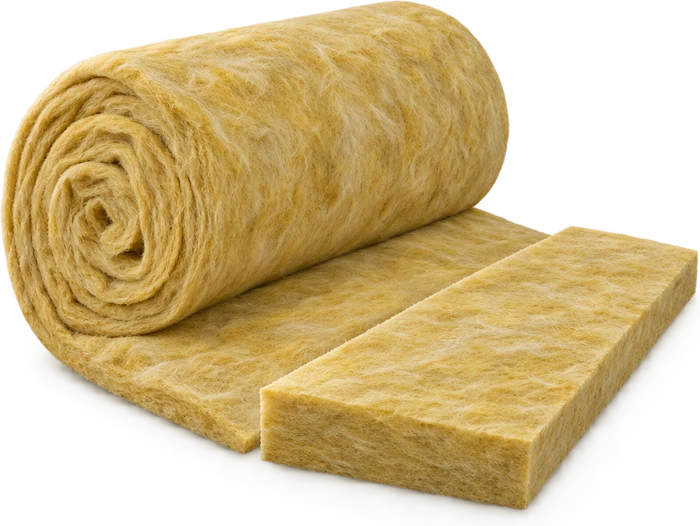
Blanket loft roll insulation is a common choice because it has low thermal conductivity. It is an effective technique for insulating a loft and, unlike insulation material such as spray foam, is also ideal for those with limited DIY skills.
Make sure you have enough insulation rolls to insulate your loft. To do so, calculate the area of the loft to be insulated, multiply the length by the breadth, and then reduce this value by 10%. This is because you will install insulation between joists rather than covering the entire loft. If you are unsure about your calculations, always seek the assistance of an expert.
The Energy Saving Trust gives 270mm as the recommended minimum depth for mineral wool. Installation in Great Britain costs about £750 from 0mm and about £600 from 120mm, and topping up from about 120mm to 270mm saves about £17 a year.
More on loft insulation.
Source: Energy Saving Trust roof and loft insulation page (updated 8 May 2026), checked November 2026.
Improve Floor Insulation
The floor is another important place to consider insulating to save money on your heating bills since it accounts for 10% of heat loss in the average home.
Old houses with “suspended flooring” are especially vulnerable since all of the heat effectively evaporates into space. This problem is handled by lifting up the floorboards and installing blanket-style insulation or mineral wool insulation supported by netting.
The Energy Saving Trust says floor insulation saves about £55 a year in Great Britain, and a typical suspended floor costs £1,400 to £2,500 to insulate. Solid floors cost considerably more.
More on floor insulation.
Source: Energy Saving Trust floor insulation page (updated 19 May 2026), checked November 2026.
Consider Internal Wall Insulation.
Internal wall insulation can improve a home’s thermal efficiency and save you money on your energy bills. Thermal wall insulation is a good option for homes with solid stone or brick walls which aren’t really suitable for cavity wall insulation, since they don’t have a cavity space to fill!
Good stiff foam boards options, such as Kingspan, are ideal for interior walls because they are thinner and take up less floor space. Rockwool insulation is also a good choice for internal walls because it is high-performance insulation.
The Energy Saving Trust says that, for a typical three-bedroom semi in Great Britain, internal wall insulation costs about £12,000 and external wall insulation about £15,000. About 33% of the heat lost from an uninsulated home goes through the walls.
Source: Energy Saving Trust solid wall insulation page (updated 18 June 2026), checked November 2026.
If you have cavity walls, these are much cheaper to insulate. The Energy Saving Trust gives about £2,200 as a typical installation cost in Great Britain, saving about £200 a year for a gas-heated semi-detached house (July 2026 fuel prices).
More on wall insulation.
Source: Energy Saving Trust cavity wall insulation page (updated 8 May 2026), checked November 2026.
External wall insulation is also a possibility for some properties, but the costs can be high, putting it out of the reach of many households.
Insulate Your Garage
If you use your garage extensively for DIY projects, or even use it as a place to work out, then insulating it can be beneficial. There are numerous types of insulation available.
The most user-friendly and cost-effective option is fibreglass insulation since this comes in rolls enabling you to insulate your garage yourself. It is easy to handle and fit between frames and can be used to insulate all areas of the garage including walls, floors and ceilings.
We recommend engaging a skilled tradesperson if you want to use another type of insulation. Professional insulation installers can advise you on which insulation to use and how to install it safely.
Insulate Your Garage Door
Depending on what your garage door is made of, it can easily be insulated. For steel doors, flexible insulation or pre-cut foam can be pressed into the panel frames into the gaps in the frames. For wood-frame-and-panel doors, rigid insulation can be added into the recesses between the door frames. Foam board is a suitable option for flat garage doors and can be taped or glued to the door.
Any insulation that is added to a garage door will increase the weight of it, so adjustments made need to be made to ensure the correct tension and balance.
Insulate Your Conservatory Roof
Conservatories are a useful addition to any home, but they are not always noted for their levels of insulation, meaning they are not always the most suitable for use year-round. There are a few ways to insulate a conservatory roof that we believe are worth considering including:
Solar control film
Solar control film is a cost-effective method of insulating a conservatory so you can spend more time in it throughout the year. Window films allow you to keep the feel and sunny environment of your conservatory while still keeping it at a comfortable temperature.
Thermal wadding and Aluminium foil
If you find your conservatory is not particularly comfortable to use because of temperature variations, particularly in the summer and winter months, you could try lining the roof with conventional insulation materials. A combination of thermal wadding and aluminium foil is often favoured as these materials are exceptionally effective at absorbing and emitting heat.
Replace Your Windows with Double Glazing
Double glazing is perhaps one of the more expensive alternatives available. Still, the benefits far outweigh the drawbacks, and many firms provide financing, so you don’t always have to pay a hefty upfront payment. Because glass allows much heat to escape, double glazing, while initially costly, will help you save money on heating in the long run.
For older and listed buildings, the options may be more limited. Thus these possibilities should be examined with a local council planning officer before any action is taken.
Another option is secondary glazing, which is effectively a temporary substitute for double glazing, and a significantly less expensive choice. It is a piece of glass or plastic installed parallel to the window. It is not as efficient as double glazing, but it will reduce heat loss until upgrading to double glazing.
Cheap Insulation Options Summary
As you can see, there are a whole heap of improvements you can do to insulate your home, not all of which have to involve a massive outlay. Making changes and choosing materials with excellent thermal performance can bring you noticeable benefits, including bill savings, improved comfort, and a reduced carbon footprint.
While an avid DIYer can carry out many of the insulation methods mentioned above, for larger or more extensive jobs, such as cavity wall insulation or insulating external walls, it is always recommended that you speak with an insulation professional before tackling any major insulation project.