Advice · Guide
A Complete Guide To Ceiling Insulation
Ceiling insulation is usually worth doing. The main types, what they cost and why most of it is a job for a professional.
- Recommended depth
- 270mm
- Fitted, from 0mm
- £750
Source: Energy Saving Trust, roof and loft insulation guide (page dated 8 May 2026), checked November 2026. Cost is the Great Britain figure for professional loft installation.
On this page
The short version
Ceiling insulation is usually worth doing, because an uninsulated ceiling lets a lot of heat escape into the loft. The choice is between spray foam, loose-fill and blanket insulation, each with its own strengths and drawbacks. Blanket is the cheapest and the only one realistically suited to DIY. Whatever you pick, ventilation matters to avoid damp and mould.
If you're looking for a way to keep your energy bills in check, insulation is an obvious and cost-effective solution. The heat in your home rises, which means most of your heat is lost through ceilings, lofts, and your roof. If you've considered ceiling insulation but don't know where to start or how much it costs, we've got you covered. Here's a complete guide to ceiling insulation including costs and methods.
Why Insulate My Ceiling?
There are lots of benefits to be had from insulating your ceiling. Here are a few of the biggest advantages.
Increased energy efficiency
When a home is energy efficient, it means a more comfortable and cost effective home. Having an energy-efficient home comes with multiple benefits. For one, you'll use fewer fossil fuels to both heat and cool your house, allowing you to play your part by reducing your carbon footprint.
Energy efficiency also means reduced energy costs, since the less energy you use to heat your house, the less you'll end up paying in heating bills.
Soundproofing
Have noisy pipework or even overly loud members of your household you'd rather not be able to hear at times? Here's the good news. Some types of ceiling insulation can improve acoustic performance and reduce the sound you can hear, so if you're constantly feeling distracted by noise, adding sound insulation to your ceilings can be a way to dampen it.
Can increase your home's value
These days, home buyers are looking for more than just X number of rooms or nice decor. Insulation is at the top of the must-have list for many buyers, so having recently-installed, well-fitted ceiling insulation can put a big tick next to your property and may even boost your home's Energy Performance Certificate (EPC). Some insulation can also boost the fire resistance of your home which can be an extra selling point.
Are There Any Drawbacks To Ceiling Insulation?
As with any form of insulation, there are negatives as well as positives to consider.
Shouldn't really be installed as a DIY project
If you were thinking of installing ceiling insulation yourself to save money, it might be trickier than you initially thought. It's always better to hire a professional, who has access to the best materials and knowledge of how to properly install insulation in situations such as suspended ceilings. When installing ceiling insulation, there is a need to take into account the building's load bearing structure so as to not overload it.
Do it yourself, and you risk making costly mistakes, which will undo the potential savings you had hoped to make by installing your ceiling insulation yourself. Only if you're highly competent should you consider attempting it yourself.
The Types Of Ceiling Insulation
There are various popular insulation materials you can choose from, each one with its own pros and cons. Here are some of the most common.
Spray foam
Spray foam is a soft foam that dries as a solid and is usually sprayed between joists to effectively insulate your ceiling. One of the biggest benefits of using spray foam is that it expands to fill holes, so it's unlikely to leave any gaps between your ceiling's joists and the rim joist.
The air barrier that the foam creates successfully stops heat from escaping through your ceilings. Plus, unlike alternatives like loose-fill insulation, spray foam doesn't settle or move over time, so once it's in place you can rest assured it will stay there.
One thing to consider is leaving adequate ventilation in the ceiling space to avoid problems with moisture, damp, and mould which could affect the timbers. The best way to avoid condensation is to work with a professional installer with experience successfully working on similar projects.
Loose-fill insulation
Loose-fill is a type of insulation that's made up of small particles of a certain material, such as mineral, cellulose, or fibreglass. Some types of loose-fill insulation are made from recycled materials, so if you're focused on being eco-friendly or reducing waste, loose-fill might be a good option for you.
Loose-fill insulation is blown into the gap between joists and crawl spaces using a professional machine - which makes it unsuitable for installation as a DIY project without the proper equipment.
One of the biggest advantages of loose-fill is that it can get into even the smallest nooks and crannies. If you're installing insulation in an area that's hard to access or too small to install blanket insulation, loose-fill should be your go-to choice of material.
There are, however, some drawbacks to loose-fill, one of the most significant being that it can be prone to mould if it comes into contact with damp or moisture. You'll need adequate ventilation in the space where you're installing insulation to prevent mould from occurring.
Plus, loose-fill can settle in corners of your loft ceiling you might not want it to, especially if there's a high level of airflow. If the loose-fill shifts its location too much, it will jeopardise its ability to insulate your ceiling.
Blanket insulation
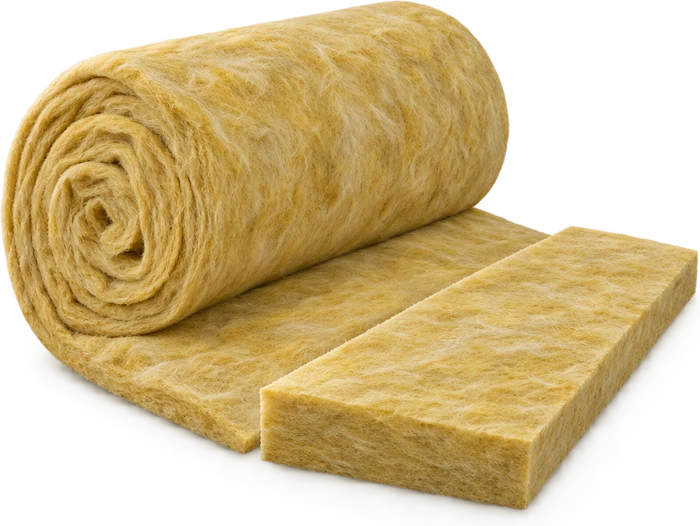
Blanket ceiling insulation comes in rolls or slabs that can be cut to size, and it's one of the most cost-effective types of insulation - perfect if you're on a tight budget. This type of insulation tends to be made from fibreglass, wool, fibres, or mineral.
Known under many different names, including glass wool and stone wool insulation, it fits between joists, beams, and studs. If you're keen to do a DIY installation, blanket insulation is probably the only material you can realistically use yourself. Just be careful when you're cutting the material to size as it has to be quite precise.
Blanket insulation must be used with the right dimensions. Otherwise, gaps could occur, through which heat will escape from your home and cold air can seep in. Unlike spray foam insulation, blanket insulation doesn't fill every gap in the space, so cutting it to the precise size is the only way to ensure its effectiveness when used as ceiling or suspended floor insulation.
How Much Does It Cost To Install Ceiling Insulation?
Naturally, the cost of ceiling insulation varies depending on a few different factors. For loft insulation, the Energy Saving Trust puts the installed cost in Great Britain at about £750 when starting from 0mm. Time on site depends on how easily your insulation can be installed.
Source: Energy Saving Trust roof and loft insulation page (updated 8 May 2026), checked November 2026.
The cost of the insulation itself varies from material to material, so compare quotes for the type you are considering.
The cost of insulating your entire ceiling will depend on the size of your home and how many square metres the material needs to cover. Using insulated ceiling tiles, made from either stone wool or glass wool is another option, and the cost of these will vary according to the quality of the insulated tiles chosen.
Is It Worth Insulating My Ceiling?
As heat rises, it doesn't take much to work out where the majority heat is lost in the home - you guessed it - the ceiling, and then the bulk of it will escape through your loft and roof space, if that is not insulated.
Ceiling insulation is usually more than worth it, it's just a case of working out which material is best suited to your space. If the space is hard to access, for example, loose-fill is probably the best option, whereas if cost is your key consideration, blanket insulation might be the best choice.
There are a range of thermal insulation options available including insulation boards and insulated ceiling tiles which can be added to an existing ceiling, suspended ceiling, under a flat roof or floor. Aside from the improved thermal performance, certain types of insulation can add additional fire protection and improve sound insulation, which can be extra reasons for insulating your ceilings.
How To Find A Ceiling Insulation Installer
Naturally, finding a reputable insulation installer to carry out such a project on your home can be stressful. That's why our find an installer service can help you source a quote from a contractor in your local area who specialises in insulating ceilings. All you need to do is enter your post code and details and you'll be set.
If you're not sure of your thermal insulation requirements, speak with one of our recommended installers who will be able to advise you on the best ceiling insulation options for your home.
Pros and cons
Pros
- Cuts heat loss through the ceiling and loft
- Some types also reduce noise between floors
- Can lift the EPC rating and appeal to buyers
- Blanket insulation is the cheapest option
Cons
- Most types need a professional to fit well
- Poor ventilation can lead to damp and mould
- Loose-fill can settle or shift over time
- Blanket must be cut precisely or gaps appear
Our verdict
Worth doing, and the material depends on access and budget
Blanket suits a tight budget, loose-fill suits awkward spaces and spray foam gives a gap-free seal. Ventilation is the point to check. Compare quotes from local installers on the same material and area before choosing.
Compare insulation quotes