Advice · Guide
Warm Roof Insulation
With Switchable, you can ask local installers for quotes on warm roof insulation through a free comparison service.
However, before you change things up at your property, do you know what warm roof insulation is? What’s the material used, and how can it benefit your indoor space?
From its basic definition to the various types and potential pros and cons, we aim to provide you with a clear understanding of warm roof insulation.
Whether you want to enhance your home efficiency or simply create a more comfortable living space, understanding and installing warm roof insulation is a good first step.
What is Warm Roof Insulation?
Warm roof insulation is a form of insulating a structure where the insulation layer is applied above the rafters, joists, roof deck and below the weatherproofing layers. This is different from the traditional “cold roof” insulation, as, in that case, the insulation layer is placed below the structural deck or within the rafters.
The main point of applying warm roof insulation is sealing your entire business or residence from extreme temperatures. Not to say this will make your space automatically warm, but it’ll help keep the indoor temperature consistent. So, if it’s warm inside, it’ll stay warm regardless of the weather outside.
This smart approach to building designs can play a vital role in managing heat and energy by reducing the risk of thermal bridging. This phenomenon can lead to heat loss, expansion and contraction in material, among other problems.
Types Of Warm Roof Insulation
There are several types of warm roof insulation, each with its advantages and disadvantages, such as:
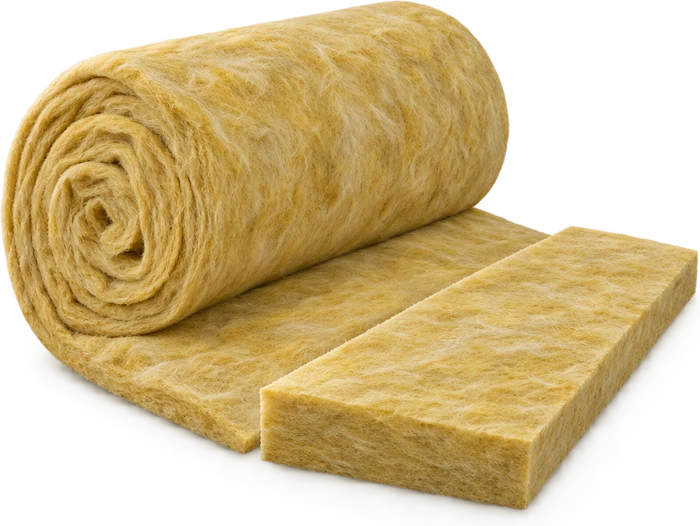
Mineral Wool
Mineral wool, also known as mineral fibre or mineral cotton, is a synthetic fibre used in insulation due to its ability to control heat transfer.
It resists heat flow well, which helps reduce energy use. Also, it’s made from tough raw materials like steel slag and rock or a combination of both, ensuring great durability.
Sadly, there are some problems with using mineral wool in insulation. For instance, mineral wool isn’t biodegradable, leading to potential environmental concerns when considering its disposal.
PIR
Another popular warm roofing material is PIR (polyisocyanurate). Just like mineral wool, PIR is effective at slowing heat flow, keeping any indoor space warm in winter.
Plus, because it insulates well for its thickness, PIR requires less thickness to achieve the same level of heat resistance as other insulation materials. However, compared to other materials, like PUR, PIR might seem slightly more expensive due to its properties.
Cellular Glass
If you thought cellular glass insulation meant you’re using glass, you’re not that far off! Cellular glass uses recycled glass and sand as its base, along with other materials.
It’s a roofing material known for its durability, moisture resistance, and fireproof qualities. The two main drawbacks of cellular glass are that it can be costly and there isn’t enough data about it, which can be a tad worrying.
Frequently Asked Questions
What is the difference between warm roof and cold roof insulation?
The difference between both methods is the position of the insulation layer. In warm roof insulation, the insulation layer is on the outside, so to speak, keeping the bulk of the structure in the warm part of the space. On the other hand, cold roofs leave the insulation below or within the structure, risking thermal bridging.
Can I install warm roof insulation myself?
It’s best not to take on such a project yourself. There are many aspects to consider and processes that require expert knowledge, meaning it’s best you leave this one to the professionals.
Is warm roof insulation worth it?
This answer here depends on how the weather is like where you live! Winters can be harsh and often snowy in some areas - something warm roof insulation can help with.
So, if it gets a bit too cold around your place and the heating system is always cranked up high, warm roof insulation is worth considering.
Key Takeaways
If you live or work in a place that simply can’t function without a functioning heating system in winter, then warm roof insulation is an option worth considering.
It can help keep the temperature consistent indoors, ensuring the space is warm and comfortable. This can also help you lower your overall energy consumption, softening the blow of the heating bill.
To conclude, warm roof insulation isn’t just a comfort-enhancing feature but something that can help with energy efficiency and structural integrity.