Advice · Guide
Icynene Spray Foam
On this page
Insulation is on the rise across the UK, with homeowners turning to installers to make their homes more energy efficient by trapping heat in lofts, cavity walls, and roofs. There are plenty of types of insulation to choose from - each with its benefits and drawbacks - but one of the best-known types is spray foam.
Let’s explore the good and the bad of spray foam insulation, where it’s used, and one type of spray foam in particular - Icynene spray foam.
What is Spray Foam Insulation?
Spray foam is a liquid that, when sprayed into an area of your home, expands to fill the space and solidifies to create insulation that looks cloud-like in appearance and is dense in texture. Spray foam insulation is most commonly installed in loft spaces and cavity walls.
Its use first became popular in the 1970s and 1980s, and while questions have since been raised over its safety, its effectiveness at improving a property’s energy efficiency is undeniable.
What is Icynene Spray Foam?
Icynene is a type of spray foam material that promises to be much more effective at insulating homes than other traditional insulation materials. Icynene is actually a brand that’s been on the market since the 1980s producing its product, but thanks to its success in the world of spray foam, its brand name has become synonymous with spray foam.
Open-cell vs closed-cell Spray Foam
As with other spray foam brands, there’s an open-cell and a closed-cell version. Open-cell spray foam is great at blocking out sound as well as stopping heat from escaping, so it’s ideal if you’re looking to soundproof your home. It’s also significantly cheaper than closed-cell spray foam, although you do have to use more for a similar effect, so the costs may end up being relatively similar.
When sprayed or injected in its liquid form, open-cell spray foam expands to many times its liquid volume, sealing every nook and cranny in a given space. With open-cell spray foam, any moisture that’s present in the surrounding area can escape through the open-cell structure, which makes this form of spray foam better at avoiding dampness and timber rot issues.
Closed cell has a more closed structure, which is denser and therefore even more effective at stopping heat from leaving your home (but not as effective at soundproofing your property). It tends to be more expensive than open cells, too. Icynene spray foam comes in both varieties - open cell and closed cell. With closed-cell spray foam, there’s much less breathability than its open-cell counterpart, so it shouldn’t be installed in places that are prone to dampness.
Where Can Icynene Spray Foam be Used?
Icynene spray foam can be used in roofs, lofts, cavity walls, and cavity floors. A cavity wall is a wall which, unlike a solid wall, has a gap (cavity) in it that allows ventilation to flow through.
Spray foam is also especially useful for places that are hard to reach, such as small loft spaces that you can’t stand up in. This contrasts with traditional blanket insulation, which has to be installed in a space you can easily reach.
How Much Does Icynene Spray Foam Cost?
Unfortunately, Icynene spray foam’s effectiveness comes at a cost. It’s one of the most expensive spray foam products on the market with a hefty price tag that can make it inaccessible to some homeowners.
Insulation does tend to pay for itself after just a few years thanks to the money you save on energy bills, but the more your insulation costs at the outset, the longer it will take to pay back.
With insulation, there’s the cost of the material itself and the cost of the labour. The labour costs are generally somewhere between £150 and £350 per day (you’ll be looking at multiple days if you’re insulating a whole property) and the Icynene spray foam costs £30 to £70 per square metre.
Generally, open-cell spray foam is cheaper, but you may have to use a thicker layer to achieve a similar level of effectiveness as closed-cell, which can cancel out some of the associated cost savings.
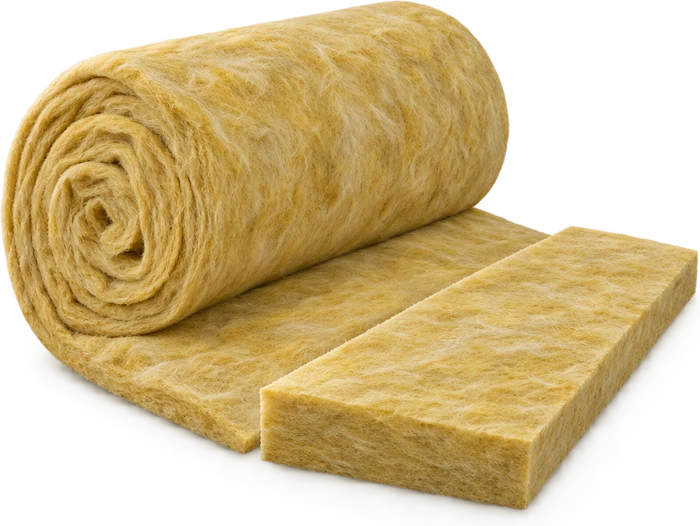
If Icynene spray foam is outside your budget, you can opt for a cheaper form of insulation. Blanket insulation, which comes in rolls, batts, and slabs, tends to be the cheapest, coming in at around £5-£10 per square metre. You can also install blanket insulation yourself, allowing you to reduce labour costs.
Can I Install Icynene Spray Foam Myself?
Unfortunately, spray foam is not suitable for a DIY installation. The insulation material must be installed with specialist equipment, so it’s a job best left to the pros. Luckily, insulating a part of your home such as your loft using spray foam should only take one afternoon, so the labour costs won’t be extortionate.
How to Find an Installer for Icynene Spray Foam
Since Icynene spray foam has to be installed by a professional, you’ll need to find a contractor to install it in your home. Switchable can introduce you to local installers who quote for the work; we do not vet or rank them, so check each one yourself. RICS also strongly advises technical due diligence before any spray foam work, ideally with an independent expert such as a surveyor, and warns about cold callers and doorstep sellers.
The installer will come to inspect the space you hope to insulate before the installation takes place. They’ll perform a survey to assess the U-value, risk of condensation and dampness, and the quality of the substrate.
With this information, they’ll be able to assess whether Icynene spray foam is the right material to insulate your home with. They’ll also be to gauge how much ventilation you’ll need in the space as well as the required thickness of the material.
Remember, Icynene is just one brand of spray foam, so you might find an installer that works with spray foam but not this brand in particular. If it’s specifically Icynene you’re interested in, make sure you request this product.