Spray Foam Insulation Guides
Where Not to Use Spray Foam Insulation
On this page
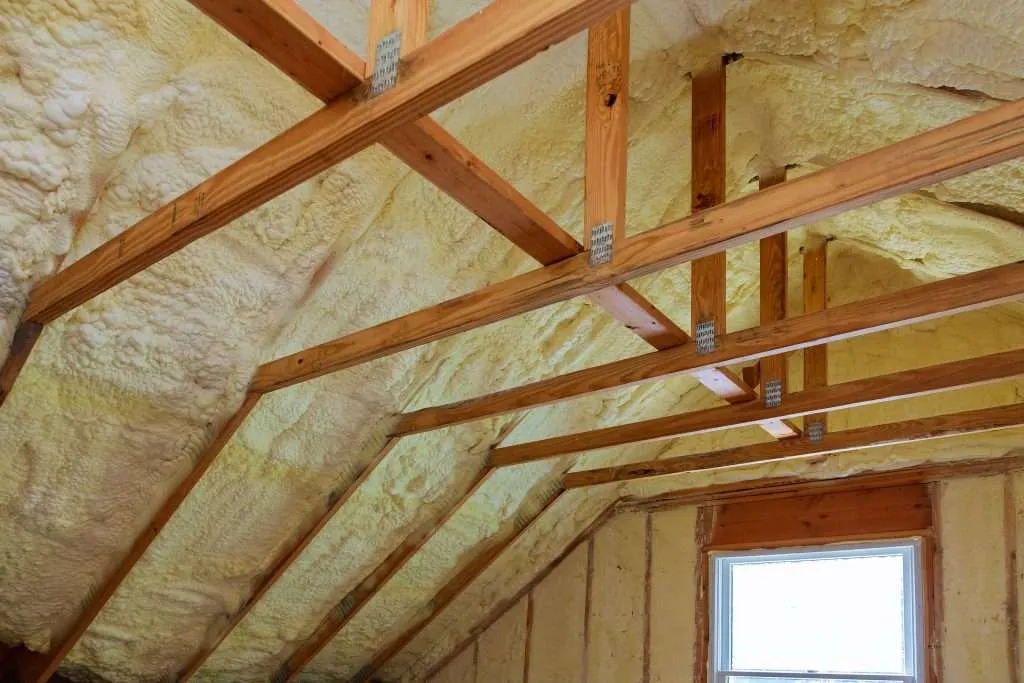
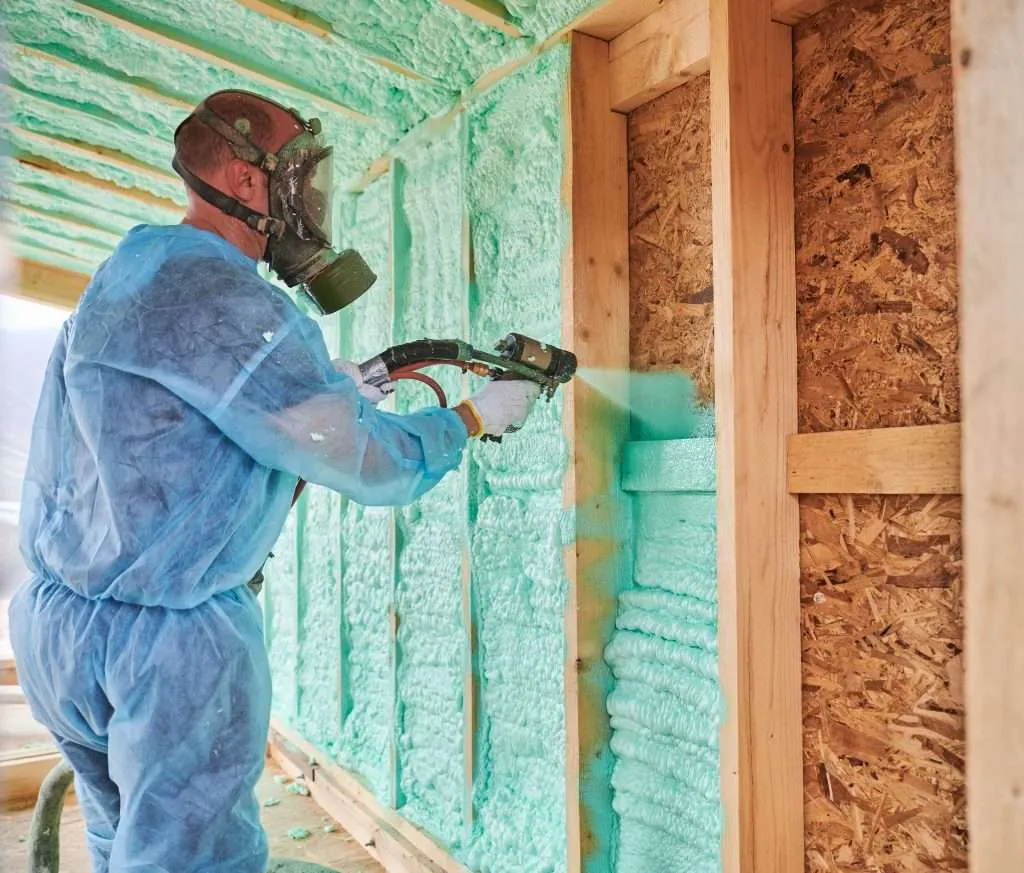
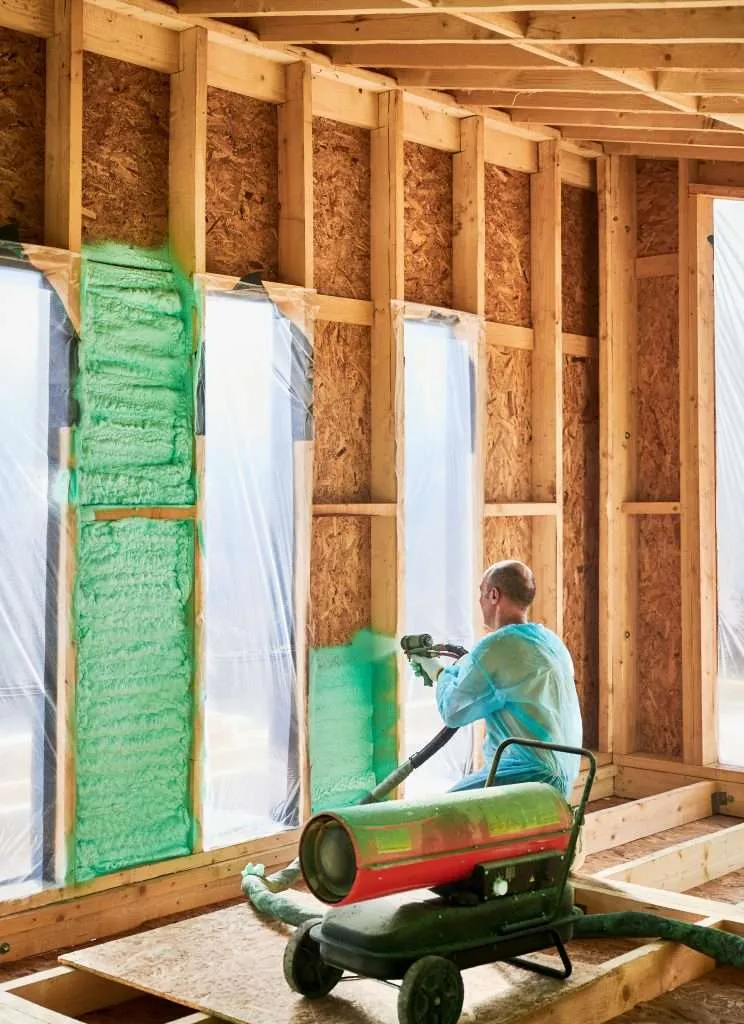
Spray foam insulation became incredibly popular during the 1970s and has been used as an insulating material ever since. Spray foam - also known as spray polyurethane foam - is a liquid foam that, when sprayed into a space, expands to fill it and insulate the area by forming an airtight seal.
There are plenty of reasons homeowners choose to install spray foam insulation, as well as a few drawbacks to this insulation material. But before you decide to go ahead with installing spray foam, it’s worth exploring spaces and types of homes in which spray foam insulation is not suitable to be used.
First, let’s explore the positives and negatives of this well-known insulating material.
The Pros of Spray Foam Insulation
There are plenty of reasons why homeowners want spray foam insulation installed in their home. Here are some of the biggest advantages of this well-known insulating material.
Works effectively
Spray foam is an effective insulating material. It expands to form an airtight seal that’s great at trapping heat in the home - effectively keeping the temperature consistent.
Lowers energy costs
Because spray foam is so effective at making your home more thermally efficient, it can actually result in cheaper energy bills. This is because you won’t need to switch on your heating as frequently to regulate the temperature in your home - the insulation will do the hard work for you.
Lasts a long time
When you install insulation, the last thing you need is for it to crumble or collapse within a few years, leaving you having to pay for a replacement. How long any insulation lasts depends on the material, how well it is fitted and the condition of the building, so ask for guarantee details in writing.
Seals all gaps
Spray foam is one of the most airtight forms of insulation. Why is that important? It means that spray foam traps more heat, helping to keep your home warmer in the winter and cooler in the summer.
Can be used in hard-to-reach spaces
If you’re insulating an area such as a loft that you can’t stand up in or that’s particularly difficult to reach, spray foam can be a lifesaver. Unlike with alternatives like blanket insulation, you can simply spray the foam into a space and it will expand to fill it, even if there’s not enough room for the installer to stand up in the space.
The Cons of Spray Foam Insulation
Naturally, there are some drawbacks to this well-known insulation material, too. Let’s explore the potential downsides to installing spray polyurethane foam in your home.
High upfront costs and a long payback time
Spray foam is one of the most expensive forms of insulation, probably matched in price only by blown-fibre. Even though insulation does pay for itself over a lifetime thanks to the reduction in the price of your energy bills, the more you pay, the longer it will take to pay for itself.
No opportunity for DIY installation
If you were thinking of saving money with spray foam insulation, think again. It can’t safely and effectively be installed as a DIY job, so you’ll need to pay for a professional.
Can cause issues in the home
Unfortunately, there are a few long-term issues associated with the use of spray foam which can cause valuers to reduce the price of your property when you come to sell, or mortgage lenders to refuse to give mortgages.
The spray foam industry is working with lenders and valuers to solve these issues, but they’re still worth bearing in mind.
How Much Does Spray Foam Insulation Cost?
Spray foam is one of the most expensive forms of insulation on the market. For the material alone, you’re looking at anywhere from £20 to £70 per square metre.
Open cell spray foam insulation tends to be cheaper than closed cell insulation, but you may need to use more of the open cell insulation for similar results, which can cancel out cost savings.
Open cell spray foam, as the name suggests, has a more open structure, making it lighter and not as hard and dense when it sets. Because of its structure, open cell spray foam isn’t quite as effective as closed cell spray foam at insulating your property. It is, however, an excellent soundproofing material, so it’s great for homeowners seeking acoustic insulation.
Closed cell spray foam is denser than open cell and more effective at making your home more thermally efficient. It’s not, however, as effective at soundproofing. Plus, because closed cell is less breathable than its open counterpart, there’s more risk of damp issues occurring with this material.
Where Not to Use Spray Foam Insulation
First, let’s start with where you should use spray foam insulation. Spray foam insulation can be used in cavity walls and floors and lofts. It can even be sprayed into small, hard-to-reach spaces that you’d struggle to insulate using traditional materials.
There are, however, some places in which spray foam should never be installed. Let’s explore them.
Listed Buildings
Listed buildings pose a few issues for spray foam insulation. Firstly, listed buildings tend to be older. Older buildings are more prone to damp and damp-prone homes are not suitable for spray foam insulation.
Secondly, homeowners with these types of properties are required to apply for listed building consent before making changes to the home. There’s a likelihood you wouldn’t be accepted for spray foam installation.
Damp Homes
Having a home that already suffers from damp and condensation is a big enough problem, but adding any type of insulation adds fuel to the fire.
Spray foam in particular isn’t especially breathable, so if you have a damp space and you install spray foam into it, you could find your issues worsen. This possibility is especially problematic with loft insulation, where there’s the possibility that your roof timbers can rot.
If you find damp present in your property, hire a professional to fix the problem before you go ahead with installing any insulation, including spray foam.
Near Lightboxes
Avoid installing foam near ceiling lights or heating appliances. There’s a chance that when the spray foam comes into content with something hot it could catch fire. Plus, it could even cause damage to the light itself if it sets around the wiring.
Around Electrical Boxes
Electrical boxes are a no-go area when you’re installing foam insulation. There’s the risk of expanding foam entering the box and potentially damaging the wiring, therefore compromising the electricity supply in your home.
Inserting foam into a space near an electrical box is also a fire hazard, since some forms of spray foam are flammable. To ensure there’s minimal risk to the safety of your home, we recommend avoiding electrical boxes and light fittings entirely.
As a Solution to Leaks
Because expanding foam is relatively water resistant and creates an airtight seal, many homeowners are tempted to use it as a solution for leaks. Unfortunately, this could spell disaster for your home. Instead, the reason for the leakage should be resolved before any spray foam is installed.
Houses on the Market
As previously mentioned, spray foam insulation can negatively affect the value of your home. If you’re trying to sell your home or plan on putting it on the market in the next year, it may not be the best material to install in your home. If you decide to go ahead with spray foam anyway, check whether the installer belongs to a trade body such as the National Insulation Association, and make sure you get adequate paperwork in case of issue.
For Warm Roofs
Cold roofs are created when you insulate a loft space normally, which leaves the loft space cooler than the rest of the house. If you want to use the space as a room in your house, such as a study or bedroom, for example, you’ll need to create a warm roof.
This involves insulating the space slightly differently so that the loft itself doesn’t lose heat. It tends to be more expensive and time-consuming than traditional loft insulation. Spraying foam at roof level instead of insulating at ceiling level means heating the roof space, which can raise energy use, and RICS advises independent expert advice before any spray foam work. Rigid insulation boards are another common option for a warm roof.
Source: RICS consumer guide on spray foam insulation (March 2023), checked November 2026.
Finding a Reliable Spray Foam Insulation Installer
If you’re in the market for insulation - spray foam or otherwise - who you hire to install it matters. A poor insulation job can result in problems further down the line, so finding the right contractor is a no-brainer.
Switchable is a free comparison service: tell us about your home and local installers can get in touch with quotes. We do not install, vet or rank them, so check credentials, ask for the work in writing and, for spray foam, take independent advice from a surveyor first.