Cavity Wall Insulation Guides
Cavity Wall Insulation: Polystyrene Beads Guide
On this page
As the name suggests, cavity wall insulation involves injecting materials into the walls using special equipment. The insulation materials installers commonly use include mineral wool, polystyrene beads, and polyurethane foam. Polystyrene beads are one of the materials used.
So, you’re probably wondering, what makes these beads a better option and are there any downsides to using them?
This article serves as a cavity wall insulation polystyrene beads guide that will help you make the right decision for your home and protect you against rising energy costs. It also highlights some problems you might face with this type of insulating material and a few of the factors you need to consider when having this type of cavity wall insulation installed.
How Do Polystyrene Beads Work?
To better understand the capabilities of this polystyrene bead insulation, you first need to learn how it works.
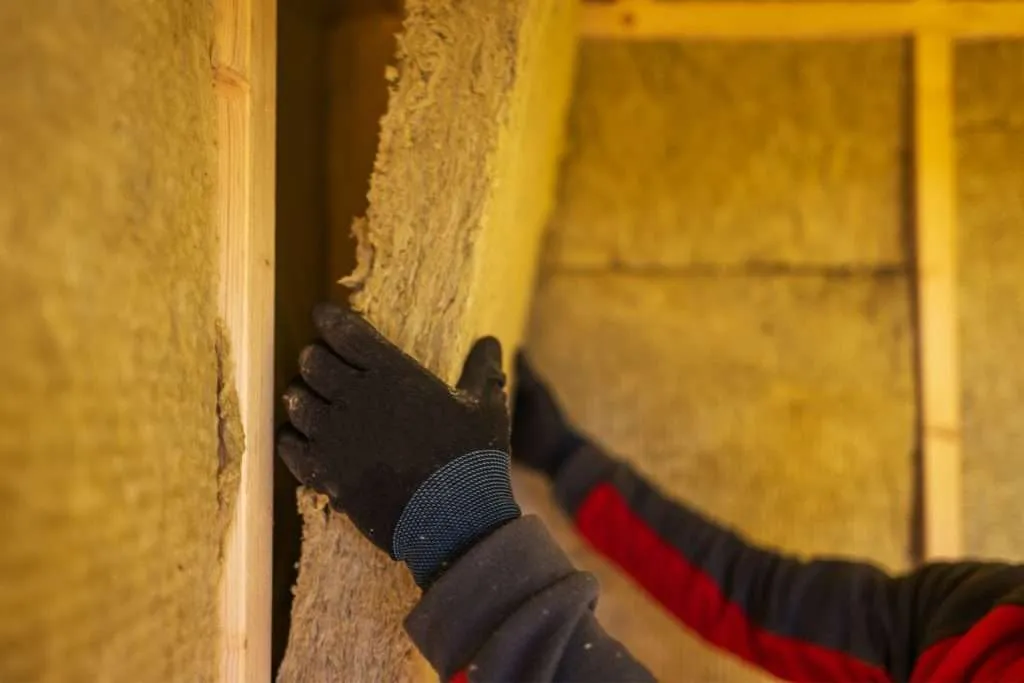
Your installer will start by drilling small holes into your exterior walls. Then, expanded polystyrene beads and a binding agent or adhesive material will be injected or pressure blown into those holes. The binding agent allows the beads to stick together, creating an effective insulation layer inside your walls.
Although it sounds like a typical DIY task, it’s a highly complex process, so you shouldn’t attempt cavity wall insulation installation yourself. You should hire a professional, certified installer to do it for you - and you can find one of those through us right here at Switchable.
Expanded vs. Extruded Polystyrene Beads
Two mains types of bead system insulation are typically used for home insulation, usually in cavity walls: expanded polystyrene (EPS) and extruded polystyrene (XPS).
Let’s examine how each one works.
1. EPS
At first, polystyrene is fed into moulds to create tiny beads. Then, heat or steam is applied to the mould, leading to the expansion of the beads, hence the name.
After expanding, the bonded beads fuse, creating an insulating layer with tiny, irregular gaps.
2. XPS
XPS manufacturing includes an extrusion process where plastic resin is combined with other additives. Then the extruded foam is allowed to expand into its final shape.
The result is a closed-cell structure with high insulation properties.
What Makes Polystyrene Bead Insulation a Great Option
Polystyrene beads are one of the materials used for insulating cavity walls. Here are the points often made in their favour:
1. Ease of Installation and Flowability
The slightest mistake in an insulation installation process can lead to problems with your insulation. For example, if the insulation material is insufficient or applied unevenly, you’ll end up with cold spots in your wall.
These cold spots act like bridges, attracting moisture into your house. In turn, that might cause mould and damp patches on your walls.
However, bead cavity wall insulation is much more forgiving and easier to install. That’s because they’re small and can reach awkward areas without having multiple holes drilled in your walls.
In turn, there’ll be less patching in the wall to do after insulation. More importantly, you’ll end up with an even insulation layer in the wall cavity.
2. Durable and Lightweight
The problem with other insulation materials is that they might cause structural damage to your house. It can happen due to the high-pressure injection process or the weight of the material.
Luckily, these beads are slightly lightweight while still being durable. Yet, this doesn’t eliminate the chances of structural damage. So, it’s best to consult a surveyor or an engineer to make sure your house is suitable for this method.
3. Low Moisture Absorption
The tiniest crack in the external wall allows moisture to reach the insulation. In turn, the materials between the inner and outer walls will absorb the water and lose a lot of their insulating properties.
Not only that, but the damp materials may act like a bridge, allowing moisture to reach the inside of your house. So, you might end up with peeling wallpaper and damp patches. It can even cause black mould, which may lead to serious health issues for you and your family.
On the bright side, EPS beads don’t absorb moisture as much as other insulating materials. When installed correctly, these beads create flawless insulation with the help of the bonding agent, making it relatively water resistant.
Any rainwater penetrating the outer leaf will usually drain away, and any moisture won’t be able to penetrate the beads, so will probably dry out before the beads absorb it.
4. Better Insulation Properties
EPS beads are more efficient than other insulation materials. These beads will fill your wall cavities at a consistent density.
This insulation method will minimise heat loss and help you make energy savings and lower energy bills.
With a λ-value of 0.034 to 0.040, you can count on EPS beads to keep your house warm. This λ-value puts it between polyurethane and mineral wool in terms of its effectiveness.
Things to Consider Before Installing Polystyrene Beads
Unfortunately, EPS cavity wall insulation isn’t perfect. There are some things you need to consider before installing this material inside your walls.
1. Poor Installation Can Do More Harm Than Good
While polystyrene beads are more forgiving than other insulating materials, installation mistakes might cause various issues. These mistakes can be anything from insufficient bonding material to improper injection, leading to cold spots and structural damage.
The problem is that, in some cases, the beads might lose some of their insulation and water resistance properties. Luckily, you can avoid this issue by finding a reputable installer. Work with Switchable to find local insulation installers near you.
2. The Cavity Must Be Spacious and Clean
Wall cavities tend to get dirty and gritty over time. Unfortunately, installing EPS in a dirty cavity might lead to inadequate insulation.
So, you must make sure the installer cleans the cavities or hires someone to do so before the EPS installation. This process might be costly, depending on the originally state of the cavity, but it’s essential to insulate your house properly.
In addition, the cavity must be wide enough for this kind of insulation, which a surveyor or installer can check.
3. Gaps Can Still Happen
Although EPS beads have high flowability, gaps might still happen for many reasons. For example, the bonding agent can wear down, and the beads may pull away from the crevices. In turn, the insulation will allow heat to escape.
How to Avoid EPS Problems
Don’t fret! You can avoid the issues we’ve mentioned by following these steps:
1. Make Sure Your House Is Suitable
The first thing to do is find out if your house is suitable for cavity wall insulation. It’ll save you a lot of time and effort, not to mention how you’ll avoid various problems in the future.
An expert will be able to analyse your property’s structure and assess the house’s ability to withstand polystyrene beads as cavity wall insulation. In addition, they’ll check the property’s exposure to extreme weather, including wind driven rain, which can affect your insulation.
2. Hire a Certified Installer
Effective cavity wall insulation starts with finding a certified, reputable installer. Ideally, you should be looking for an installer who offers a guarantee for their work.
Switchable is a free comparison and introduction service. Tell us about your home and we pass your details to local installers who can quote. We do not install, and we do not vet or rank installers, so check certification and guarantees yourself. See our guide to choosing insulation for more.
3. Keep an Eye Out for Any Alarming Signs
The problem with cavity wall insulation is that any issues might take a few years to come to light. So, you should make it a habit to check on your exterior and interior walls every once in a while.
Here’s a list of some alarming signs:
- Mould
- Damaged brickwork
- Cracks
- Dampness patches
- Condensation on the wall
- Heat loss
- Falling wallpaper
What to Do When the Bead Insulation Fails
If you spot any of the signs we’ve mentioned, contact your installer as soon as possible. The earlier you contact them, the easier it will be to fix the issue.
Typically, the installer will ask you a few questions to assess the situation and schedule a visit to your property. If the issue occurs due to poor installation, the installer should put it right under their guarantee.
But what happens when the company that carried out the installation process refuses to help?
Well, this is where a CIGA (Cavity Insulation Guarantee Agency) guarantee comes in handy. You can contact the organisation, and they’ll help solve the issue under the terms of the guarantee.
If an installer refuses to fix installation issues, you can raise it with the guarantee provider or the body they are registered with.
In the case that your insulation installer isn’t a member of CIGA, check the paperwork to see if it includes an independent guarantee. If it doesn’t, you’ll have to hire another company to carry out the repairs. Although it won’t be cheap, it’ll save your property from any further damage.
Frequently Asked Questions
1. Are polystyrene beads toxic to humans?
No. Polystyrene beads are non-toxic and non-irritant. They’re completely safe to handle.
2. How long do EPS beads last?
When installed properly with good-quality binding material, EPS beads are intended to last for many years. Gaps can still develop over time, so keep an eye on the signs listed above.
3. Is EPS insulation worth it?
Yes. EPS insulation can keep your house warm and help you save energy. You’ll also be reducing your carbon footprint and cutting down on your heating bills.
4. Is polystyrene insulation suitable for all houses?
Unfortunately, not every house is suitable for this kind of insulation. If your walls are very tall or the cavity is very narrow, other insulation methods may suit better, and a surveyor can advise.
In addition, filling large walls with beads won’t be easy. You might end up with cold spots and gaps that lead to annoying issues such as damp problems and mould.
More importantly, the walls must be free of any damage. Otherwise, moisture will easily reach the insulation.
5. How much does polystyrene insulation cost?
Installation costs vary with the size of your home and the company that carries out the work. The Energy Saving Trust gives a typical cost of about £2,200 for cavity wall insulation in Great Britain, and puts the saving at about £200 a year for a gas-heated semi-detached house (July 2026 fuel prices).
Some households may qualify for funded insulation or other support depending on eligibility. Check GOV.UK, or Home Energy Scotland if you are in Scotland.
Source: Energy Saving Trust cavity wall insulation page (updated 8 May 2026), checked November 2026.
Bead Cavity Insulation Conclusions
Polystyrene beads are one material used for cavity wall insulation. They’re often described as more forgiving and easier to install. Additionally, they’re durable and lightweight, which decreases the risk of structural damage.
They’re also relatively water resistant and can provide you with more efficient insulation when properly installed. Remember that the quality of the installation matters as much as the material, so compare quotes and ask about guarantees.
We hope that this polystyrene beads insulation guide helps you make the right decision for your property. It offers advantages over some other types of cavity wall installations, such as spray foam insulation or blown mineral wool fibre, so it is worth weighing up the pros and cons of each.