Solar · Guide
Disadvantages and Advantages of Solar Panels
Solar cuts your bills and pays you for spare power, but it costs a lot upfront and suits some homes far better than others.
- Typical cost
- £7,600
- Pays back in
- 9 - 12 yrs
- Panels last
- 25+ yrs
Source: Energy Saving Trust solar panels page (updated 16 November 2026), checked November 2026.
On this page
The short version
Solar panels suit most homes with a sunny, unshaded roof, but not everyone. The main gains are lower electricity bills, payments for exported power under the Smart Export Guarantee and protection from rising prices. The main drawbacks are the upfront cost, the roof space and shade you need, and a poor fit if you plan to move soon.
The main disadvantages of solar panels are the upfront cost (about £7,600 for a typical 4.5 kWp system, says the Energy Saving Trust), the need for a sunny roof with little shade, and that they suit people who will stay put long enough to reach the 9 to 12 year payback. The main advantages are lower electricity bills, export payments under the Smart Export Guarantee and panels that last 25 years or more.
Source: Energy Saving Trust solar panels page (updated 16 November 2026), checked November 2026.
Installing a solar panel system brings with it many advantages over traditional methods of powering your home from the National Grid. With energy bill savings and reduced carbon emissions the most obvious benefits, making the move to solar almost seems like a no-brainer.
However, it's not always completely positive for everyone, as aside from the cost, there are some downsides to solar systems which may mean they are not the right option in every circumstance. So that you can make an informed choice about whether solar technology is right for you, we've outlined some of the pros and cons of solar panel installation.
Solar Energy Overview
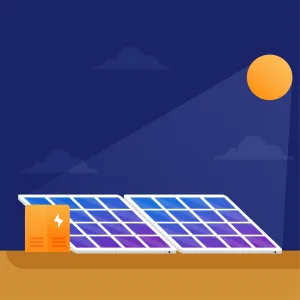
The sun is an increasingly significant contributor to our overall energy supply. Many experts believe that, if properly harnessed, the solar energy from the sun is more than sufficient to fulfil all of our annual requirements for energy. Installing solar panels is a highly effective way to collect some of the sun's rays and convert them into usable energy.
Solar cells, which are part of photovoltaic (PV) panels, are responsible for collecting energy from the sun which is then converted to usable electricity by a solar inverter. Solar cells can only generate power during daylight hours, though it does not have to be direct sunlight, as solar panels can still produce electricity even if it is not a particularly sunny day.
Advantages and Disadvantages Of A Solar Power System
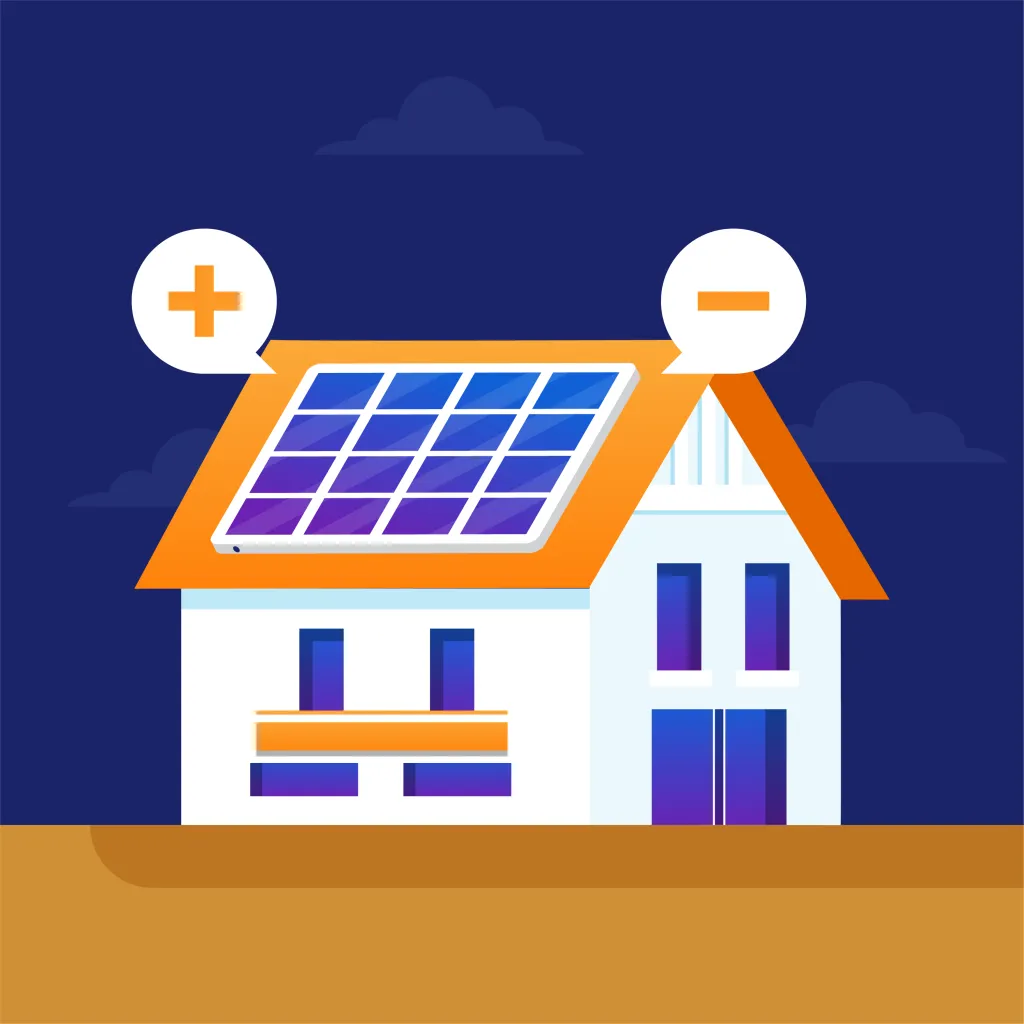
When considering whether to make use of residential solar energy systems, it is essential to have an understanding of the pros and cons of using solar panels:
Solar Energy Advantages
Reduced Electricity Bills
If using the electricity generated by your own solar system, you will not require as much power, if any, from the Grid, and this will have a noticeable impact on your electricity bills. Additionally, you may also be able to benefit from payments received for any excess energy produced that is sent to the Grid under a Smart Export Guarantee (SEG) arrangement.
Protection Against Rising Electricity Costs
The cost of electricity has rocketed over recent years. Investing in solar panels provides a degree of protection against rising electricity prices as production of your own energy means that you do not have to purchase as much electricity, or you may not need to purchase any at all.
Return on Investment
Solar power, in addition to lowering your electricity bill, can also be an excellent source of additional income. Under the Smart Export Guarantee, an energy supplier pays you for the excess electricity your panels send to the grid (this needs an MCS-certified installation). The amount you save on bills, combined with any income generated from the Smart Export Guarantee, will allow you to recoup the cost of your solar system over time.
Renewable Energy
Solar energy is a clean, renewable energy source. It can readily be accessed on a daily basis, even in the UK. Solar energy, in contrast to other forms of energy, will never become depleted.
Sustainable & Environmentally Friendly
Solar panels have a positive impact on the environment and health. The energy they generate does not result in the emission of harmful greenhouse gases, like carbon dioxide which results from burning fossil fuels to generate electricity, and this leads to a reduced carbon footprint.
Energy Independence
Installing solar energy systems provides you with the opportunity to generate your own supply of electricity, giving you some degree of energy autonomy. You will still need the grid when your panels are not generating, such as at night.
Disadvantages of Installing A PV Solar System
High Initial Cost
One of the disadvantages of solar energy is the high initial cost, both purchasing and installing the necessary solar equipment. Having solar panels installed involves not only the cost of the panels themselves, but also the wiring, batteries, and inverter, and the expertise required to install them.
While the cost can be off-putting for some at first, some solar businesses are able to introduce potential customers to financing options for solar energy systems or even some of the grants that may be available.
Intermittent Energy Source
The sun is an intermittent source of power, since it is not ever-present throughout the entire day, so a solar system only generates electricity during daylight hours.
The strength of the sun's rays can also differ significantly depending on your location, what time of day it is, and even during the seasons. Snow cover, cloud cover, and the amount of foliage cover are all factors that can affect the amount of energy produced.
One partial solution to this problem is to make full use of solar energy storage by using batteries in conjunction with your solar panels.
Solar Panels Need Sufficient Space
If you want to increase the amount of electricity that you produce, you will need to increase the number of solar panels that are exposed to the sun. If you are limited in terms of available space, this may not be possible, meaning you will have a limit on how much electricity your system is able to produce, and this might not be sufficient for your household needs.
Initial Pollution During Manufacture
Producing solar power systems, along with their transportation and installation, still results in the emission of some greenhouse gases. Thankfully, the pollution and emissions that will be saved after the solar panels have been installed will far outweigh the pollution that their manufacture will cause initially.
Solar is Not Ideal If You Plan on Moving House
In most cases, you will be unable to take the solar power system with you if you decide to move in the near future. Even if it were possible, it is a costly endeavour to hire someone who is capable of removing and reinstalling solar panels. Investing in solar panels is typically thought of as a long-term plan so that you can get payback in the time you are living at the property.
Location Might Not Be Suitable
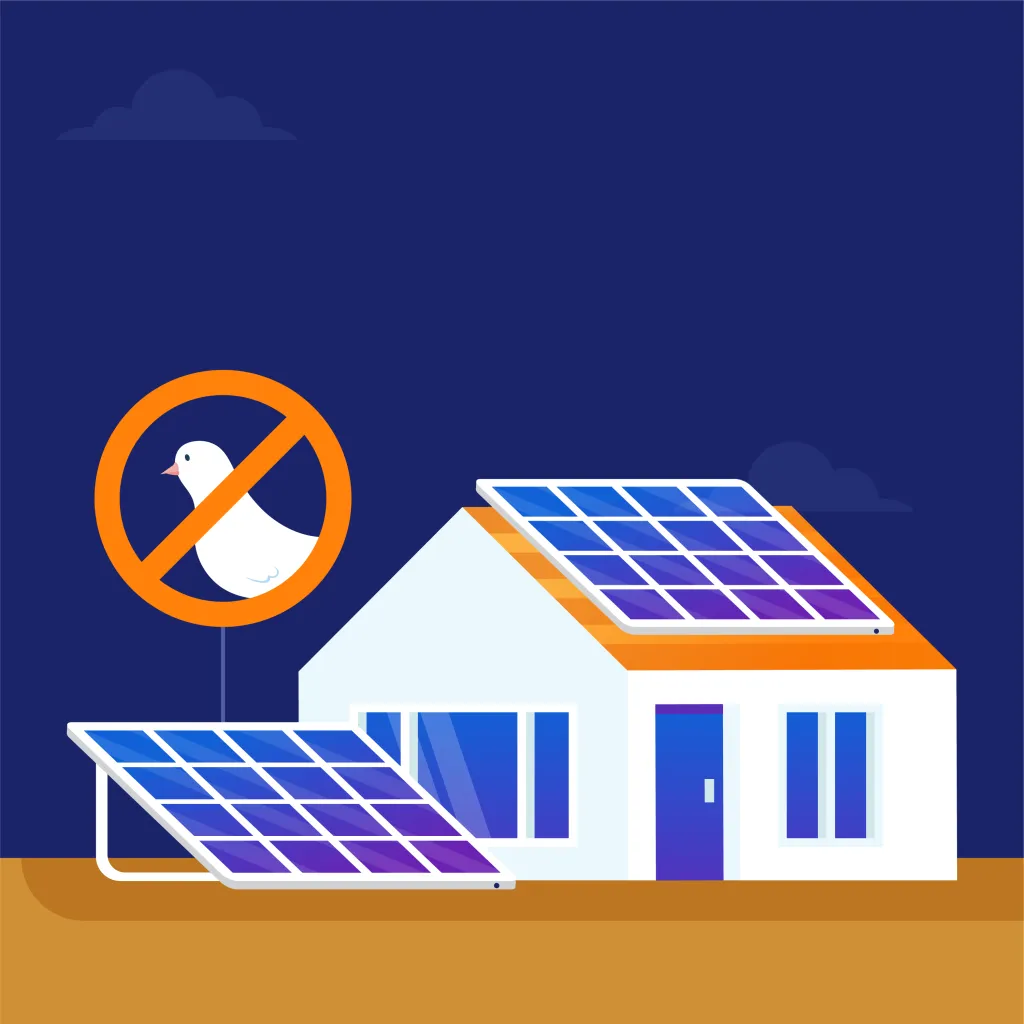
Solar cells are sometimes sensitive to the environment in which they are placed. It may be more challenging for solar cells to generate sufficient quantities of electricity if the location is somewhat in shade. While clear skies are not always required for solar energy production, excessive shade can be problematic.
| Pros of solar | Cons of solar |
|---|---|
| Reduced electricity bills | Initial pollution involved in the production |
| Insurance against rising energy costs | Intermittent energy source |
| Good return on investment | Can require a lot of roof space |
| The high initial cost to buy and install | Initial pollution involved in production |
| Sustainable & environmentally-friendly | Not ideal if planning to move home |
| Increased energy independence | Not every location is suitable for solar |
When Solar Might Not Be The Best Option For You
When purchasing a solar power system, it is important to give careful consideration to both the potential benefits and drawbacks of solar energy. If you have plans to relocate or sell your current home in the very near future, solar is unlikely to be a good economic choice.
For a decent sized solar array, you will need sufficient space to accommodate the solar panels, whether that is on a roof space or even ground mounted. These will also need to be orientated in a position to maximise the daylight they received. Where you don't have this, solar panels may not be a viable option for you.
Why Are Solar Panels Beneficial?
Solar energy is useful for the vast majority of people. One of the primary benefits of installing a solar system is the reduction in money spent on your monthly electricity bill.
It may be possible, especially if you add battery storage to your solar system, for you to generate your own supply of energy in sufficient quantities that you never need to pay an electricity bill again.
When you have a solar energy system installed in your home, you will not only save money on ongoing maintenance expenses but also benefit from the generous warranty that most manufacturers provide, which usually ranges from 10 to 25 years (and occasionally 40 years!) in length.
Conclusion
The rate at which solar panels are being installed has increased in recent years. The more people learn about the many reasons why solar panels are an efficient source of energy, the more will choose to install solar panels and begin using them. The numerous positive aspects of utilising solar power far outweigh any potential drawbacks.
With your list of the advantages and disadvantages of solar energy, we hope you are now better informed and able to make the right decision regarding whether or not you should consider having solar panels installed. If you are still not sure, Switchable can introduce you to an expert installer who can advise you on the best solar options for you.
Pros and cons
Pros
- Lower electricity bills from power you generate
- Paid for spare power under the Smart Export Guarantee
- Some protection against rising electricity prices
- Clean energy with no emissions while generating
Cons
- High upfront cost for panels, inverter and fitting
- Needs enough roof space and little shade
- Only generates in daylight, so a battery may help
- Hard to move with you if you sell the house
Our verdict
Strong for long-term homeowners with a suitable roof
If you plan to stay put and have a roof with space and little shade, the benefits usually outweigh the drawbacks. If you may move soon or the roof is shaded, think harder. Compare quotes from a few installers to see what suits your home.
Compare solar quotes